 | | | | | | | ||||||||||||||||||||||||||||||||||||||||||||||||||||||||||||||||||||||||||||||||
| | |||||||||||||||||||||||||||||||||||||||||||||||||||||||||||||||||||||||||||||||||||||
|
Damon Galgut boycott literary festival | |||||||||||||||||||||||||||||||||||||||||||||||||||||||||||||||||||||||||||||||||||||
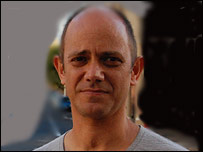
Book lovers have flocked to a festival of literature that’s just opened in Sri Lanka. but the event has been marred by a South African writer pulling out because of concerns over Sri Lanka’s human rights record. Damon Galgut Damon Galgut heeded a boycott call against the Galle Literary Festival that was issued last week by a Paris-based campaign group for journalists’ rights, Reporters Without Borders, along with a Sri Lankan exiles’ lobby group and some well-known international writers. As the festival opened, the organisers announced that the prize-winning South African novelist, Damon Galgut, had decided to observe the boycott of the event. Those who had issued the call to stay away said that it was inappropriate to celebrate literature in the country because, they said, dissident voices were being victimised by the Colombo government. The festival curator and Sri Lankan novelist, Shyam Selvadurai, said he agreed there were disturbing human rights issues in the country. But, he added, shutting down a literature festival was no answer. I am very sorry Mr Galgut dropped out because he has written about post-apartheid South Africa. And there would have been a lot for our people to have learnt from listening to him. And now by his dropping out, all there is is a void, a silence. And I’m very sad about it. 16”, Shyam Selvadurai said.
Two other prominent authors withdrew earlier but the organisers say this was nothing to do with the protest campaign. Over 60 authors remain at the festival including China’s Jung Chang and India’s Tishani Doshi. But the boycotters say hundreds of online petitioners support their campaign. Sri Lankan human rights campaigners have found an unusual common cause with government supporters here, as both groups largely oppose the boycott. The festival’s opening event was a recording of the BBC World Service panel discussion programme, The Forum, where Sri Lanka’s post-war problems were discussed with a large audience adding to the debate. | ||||||||||||||||||||||||||||||||||||||||||||||||||||||||||||||||||||||||||||||||||||||
| ||||||||||||||||||||||||||||||||||||||||||||||||||||||||||||||||||||||||||||||||||||||
| ||||||||||||||||||||||||||||||||||||||||||||||||||||||||||||||||||||||||||||||||||||||









 India's frustration with Sri Lanka over Tamils