 | | | | | | | ||||||||||||||||||||||||||||||||||||||||||||||||||||||||||||||||||||||||||||||||
| | |||||||||||||||||||||||||||||||||||||||||||||||||||||||||||||||||||||||||||||||||||||
|
Sri Lanka's minorities 'live in fear' | |||||||||||||||||||||||||||||||||||||||||||||||||||||||||||||||||||||||||||||||||||||
A London-based human rights organisation, Minority Rights Group International (MRG), says minorities in Sri Lanka face daily repression and marginalisation in politics. In a report, MRG says almost two years after the end of the war with the Tamil Tigers, Tamils and Muslims in the country's north and east continue to live in fear. "There is very high level of militarisation in the north and the east," Mark Lattimer, Executive Director of MRG told BBC Sinhala service. "In some districts we are talking about as many as one member of the military for four civilians." The report documents cases of land in traditional Tamil and Muslim areas being seized by military and civilian authorities and used for the construction of everything from military encampments and a power plant to hotels and leisure facilities.
It expresses concerns by minority activists at the sudden proliferation of Buddhist temples and religious symbols in Tamil and Muslim areas, which they argue is politically sponsored. “There are two principles. One principle is freedom of religion. There is also another one which is about respect for traditions,” he told BBC Sandeshaya. 'Growing Sinhalisation' At the same time there is a perception among the minority communities of a “growing Sinhalisation,” according to the MRG.
“More generally, there is a sense that the government in Sri Lanka is increasingly taking on an ethnic nationalist character that is based on Sinhala nationalism,” Mr Lattimer said. Sinhala nationalist parties, especially the government’s coalition partner Jathika Hela Urumaya questions as to why it is wrong for the Sinhala community to migrate to the north and east whilst many Tamils and Muslims live among the Sinhalas in the south. “It is not wrong,” admits Mr Lattimer. “But what is questionable is when the movement of population by ethnicity becomes part of government policy.” MRG urges the Sri Lankan government to resume negotiations to reach an agreement on political representation for minorities and to develop mechanisms for justice and reconciliation. Government response But the government denies the accusations raised by the MRG report. Lakshman Hulugalle, Director General of Media Centre for National Security (MCNS) told BBC Sandeshaya that the MRG may not be aware of the ground situation in Sri Lanka as it is an organisation based its operations abroad. “The government in fact is accused of doing more to the north and east in terms of post-war development,” he said. Mr Hulugalle further said that certain organisations that “still promote terrorism” are still trying to “tarnish the good image of Sri Lanka and the president.” He categorically rejected the accusation that minorities in Sri Lanka are still living in fear. | LOCAL LINKS  War panel arouses strong emotions War panel arouses strong emotionsSandeshaya President 'ready for devolution'14 January, 2011 | Sandeshaya Tamils in Swiss court over extortion12 January, 2011 | Sandeshaya LLRC learns of dissapearances in east05 December, 2010 | Sandeshaya Emotional homecoming for Tamil widowSandeshaya Released Tamil Tigers 're-arrested'03 January, 2011 | Sandeshaya Mannar - Tamil misery continues29 August, 2010 | Sandeshaya Separate panel urged for Muslims23 August, 2010 | Sandeshaya EXTERNAL LINKS The BBC is not responsible for the content of external internet sites | |||||||||||||||||||||||||||||||||||||||||||||||||||||||||||||||||||||||||||||||||||||
| ||||||||||||||||||||||||||||||||||||||||||||||||||||||||||||||||||||||||||||||||||||||
| ||||||||||||||||||||||||||||||||||||||||||||||||||||||||||||||||||||||||||||||||||||||









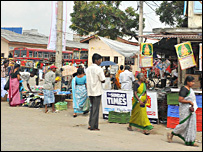
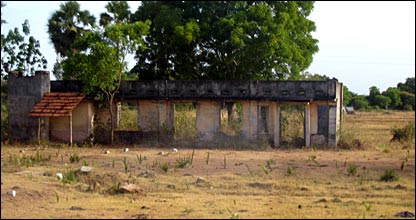
 The government in fact is accused of doing more to the north and east in terms of post-war development
