 | | | | | | | ||||||||||||||||||||||||||||||||||||||||||||||||||||||||||||||||||||||||||||||||
| | |||||||||||||||||||||||||||||||||||||||||||||||||||||||||||||||||||||||||||||||||||||
|
UN calls to end Kafeel | |||||||||||||||||||||||||||||||||||||||||||||||||||||||||||||||||||||||||||||||||||||
On her first visit to Saudi Arabia, the United Nations High Commissioner for Human Rights, Navi Pillay, has called for an end to the Gulf state's system of Kafeel, which requires foreign workers to have local sponsors.
Sri Lanka had praised the efforts by the UN to end the Kafeel system. "Sri Lanka will give any support to end the sponsor system", said Kingsly Ranawake, chairman of the Sri Lanka Bureau of Foreign Employment told the BBC Sinhala Service. women's right to control their own lives She said the practice, which binds workers to their employers and prevents them changing jobs, promoted abuses. Pillay also urged Gulf states to remove barriers that she said restricted women's right to control their own lives. "Some countries are reconsidering the sponsorship or Kafeel system that rigidly binds migrants to their employers, enabling the latter to commit abuses, while preventing workers from changing jobs or leaving the country," Pillay, the UN High Commissioner for Human Rights, said. "I wholeheartedly support those efforts and call on other states to replace the Kafeel system with updated labour laws that can better balance rights and duties," she said.
UN Commissioner for Human Rights was speaking to a small audience at the King Abdullah University for Science and Technology, on the first stop of a ten day tour of the Gulf states. physical, psychological and sexual violence "The situation of migrant domestic workers is of particular concern because their isolation in private homes makes them even more vulnerable to physical, psychological and sexual violence," she said. Pillay noted that there are estimated 12 million foreign workers in the Gulf. Especially domestic workers from Asian countries including Sri Lanka are frequently subject to unlawful confiscation of passports, withholding of wages and other abuses. discrimination against women Rights activists in Saudi Arabia say discrimination against women and minorities is widespread and enshrined in law.
A Saudi human rights activist Ibrahim al-Mugaiteeb told the BBC that all women in Saudi Arabia face discrimination. "The west has welcomed and clapped and hailed the fact that a lady deputy minister was appointed here. Well, believe it or not, that lady, if she wanted to attend a conference in Bahrain she still needs her father or her husband, or even her son's permission to go. The law does not exclude anyone". He also say that there are thousands of people held in prisons in the country without trial. | ||||||||||||||||||||||||||||||||||||||||||||||||||||||||||||||||||||||||||||||||||||||
| ||||||||||||||||||||||||||||||||||||||||||||||||||||||||||||||||||||||||||||||||||||||
| ||||||||||||||||||||||||||||||||||||||||||||||||||||||||||||||||||||||||||||||||||||||









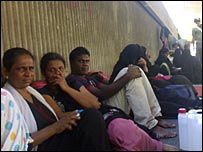
 isolation in private homes makes them even more vulnerable to physical, psychological and sexual violence
 India's frustration with Sri Lanka over Tamils