| | | | | | | ||||||||||||||||||||||||||||||||||||||||||||||||||||||||||||||||||||||||||||||||
| | |||||||||||||||||||||||||||||||||||||||||||||||||||||||||||||||||||||||||||||||||||||
|
'Unlock' IDP camps, urges AI | |||||||||||||||||||||||||||||||||||||||||||||||||||||||||||||||||||||||||||||||||||||
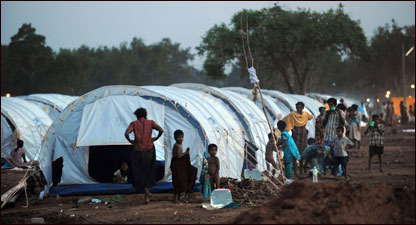
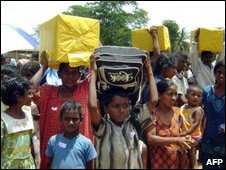
The London based human rights group, Amnesty International, has called on Sri Lanka authorities to properly address the human rights issues of thousands of displaced Tamils. Nearly 300,000 IDPs (Internally Displaced People) are housed in camps in northern Sri Lankan district of Vavuniya. Launching a campaign titled "Unlock the camps," the AI has described the centres where the IDPs are kept as "detention camps". The government of Sri Lanka calls the holding facilities as "welfare centres". Risk of rights violations "The camps are overcrowded and unsanitary. They are run by the military and the camp residents are prevented from leaving them; they are denied basic legal safeguards," a statement issued by the AI said. The rights watchdog says that many IDPs are at risk from enforced disappearances, abductions, arbitrary arrest and sexual violence as independent journalists and aid workers are not allowed in by the authorities.
UN Secretary General Ban Ki-moon who visited some of the camps in May, said: "I have travelled around the world and visited similar places, but this is by far the most appalling scene I have seen." The Sri Lankan government last week announced the resettlement of over 4000 IDPs from the north and the east. The government says they include the first batch of people resettled from the Menik Farm camp where conditions created international controversy. Sri Lanka Defence Secretary, Gotabhaya Rajapaksa, meanwhile, has called for more international aid for maintaining the camps and resettling the IDPs. "We have told the US, Japan and others that we need more money to build infrastructure in the camps and to resettle these people," Mr Rajapaksa earlier told the BBC. Government response Admitting that some progress has been made, the AI says, however, more progress needs to be made.
"Amnesty International has also called on the government of Sri Lanka to end restrictions on liberty and freedom of movement; ensure that camps are of a truly civilian nature and administered by civilian authorities and give immediate and full access to national and international organizations and observers," the statement said. The government says it needs time to screen everyone, except young children and the elderly, for possible links with the Tigers. Responding to the report, Sri Lanka’s foreign secretary Palitha Kohona told the BBC's Charles Haviland in Colombo that it was “mischievous to talk of rights in the absence of security." He said the “vast majority” of Sri Lankans were delighted that the conflict was over and that the government must ensure the country did not “regress into the dark ages”. | LOCAL LINKS  UK grant to clear landmines UK grant to clear landmines 06 August, 2009 | Sandeshaya Tamil refugees are allowed homeSandeshaya IDP's 'smuggled out' of camps 03 August, 2009 | Sandeshaya Sri Lanka 'facing aid shortfall'Sandeshaya 'Release civilians' Sri Lanka told29 July, 2009 | Sandeshaya Allow IDPs return home - France26 July, 2009 | Sandeshaya UN praises resettlement efforts20 July, 2009 | Sandeshaya EXTERNAL LINKS The BBC is not responsible for the content of external internet sites | |||||||||||||||||||||||||||||||||||||||||||||||||||||||||||||||||||||||||||||||||||||
| ||||||||||||||||||||||||||||||||||||||||||||||||||||||||||||||||||||||||||||||||||||||
| ||||||||||||||||||||||||||||||||||||||||||||||||||||||||||||||||||||||||||||||||||||||