 | | | | | | | ||||||||||||||||||||||||||||||||||||||||||||||||||||||||||||||||||||||||||||||||
| | |||||||||||||||||||||||||||||||||||||||||||||||||||||||||||||||||||||||||||||||||||||
|
Safety of Civilians urged | |||||||||||||||||||||||||||||||||||||||||||||||||||||||||||||||||||||||||||||||||||||
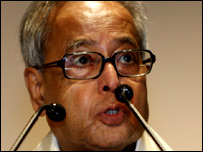
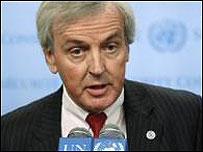
The Indian government says it's gravely concerned about the safety of civilians caught up in the fighting in Sri Lanka. In a statement, the Indian foreign minister, Pranab Mukherjee, urged the Sri Lankan government to provide safe passage to civilians. "It is reported that the LTTE has offered a ceasefire. While this may fall short of a declaration of willingness to lay down arms, it is our view that the Government of Sri Lanka should seize the opportunity presented by the offer to bring about a pause in the hostilities", the statement said. Security Council briefing United Nations Humanitarian Chief, John Holmes, told the Security Council that people faced great danger from the conflict. He said estimates of those trapped in the fighting varied between seventy-thousand and three- hundred-thousand people. “And there is strong evidence that the LTTE are preventing them from leaving,” he cautioned. "I urge again all those with any influence on the positions of the LTTE to use that influence now to persuade them to let the civilian population go. There is no time to lose", he said. The violence has impeded humanitarian aid delivery, with supplies of food, medical supplies, clean water and other essential supplies in critically short supply. “The risks from hunger and diseases are growing rapidly, in addition to those from fighting,” noted Mr. Holmes, who also serves as UN Emergency Relief Coordinator.
He told the 15-member Council of his visits to camps for internally displaced persons (IDPs), adding that movement into and out of these sites is “currently highly and unacceptably restricted.” He said the group who is trapped with the LTTE are increasingly vulnerable to disease, nutrition problems and all other problems, because the supplies of food and clean water and proper shelter are simply not there. "Supplies are beginning to arrive using boats bringing it in because they are able to land on the beaches, but logistically it's quite difficult, it's difficult to get enough in. So, I think that there is genuine problems about the physical condition of that group, UN Under-Secretary-General for Humanitarian Affairs, John Holmes added. | ||||||||||||||||||||||||||||||||||||||||||||||||||||||||||||||||||||||||||||||||||||||
| ||||||||||||||||||||||||||||||||||||||||||||||||||||||||||||||||||||||||||||||||||||||
| ||||||||||||||||||||||||||||||||||||||||||||||||||||||||||||||||||||||||||||||||||||||









 India's frustration with Sri Lanka over Tamils