 | | | | | | | ||||||||||||||||||||||||||||||||||||||||||||||||||||||||||||||||||||||||||||||||
| | |||||||||||||||||||||||||||||||||||||||||||||||||||||||||||||||||||||||||||||||||||||
|
Children 'still at war' in Sri Lanka | |||||||||||||||||||||||||||||||||||||||||||||||||||||||||||||||||||||||||||||||||||||
The report blames the Tamil Tigers and the government of Sri Lanka for supporting proxy armed groups [TMVP] fighting rebel Tamil Tigers who are said to use children.
A new report says the number of children forced to fight wars around the world has fallen. According to the study, by the Coalition to Stop the Use of Child Soldiers, the number of conflicts involving soldiers under eighteen years of age dropped from twenty-seven in 2004 to seventeen by the end of 2007. Governments involved But it says a number of governments -- primarily that of Burma -- still persistently use children for military purposes.
The Child Soldiers Global Report has rare good news saying that since its last report in 2004, several conflicts that involved young combatants have ended, particularly in West Africa, but also in Indonesia and Nepal. It says that the increased global awareness of international laws and possible prosecutions over the use of children in warfare has had some effect. But the researchers say that tens-of-thousands of children remain in the ranks of certain government armies and rebel groups. Among the governments, Burma remained the most persistent user of child soldiers in its conflicts with armed rebel groups from ethnic minorities. Several African government forces also still have children in their ranks -- Chad, Sudan, the Democratic Republic of Congo and Somalia.
Sri Lanka continues to recruit child soldiers The report quoted a Chadian military commander as saying that child soldiers were ideal because they don't complain, they don't expect to be paid, and if told to kill, they do so. In the Arab world, Yemen is singled out as a persistent offender. Sri Lankan government is criticised for supporting proxy armed groups fighting rebel Tamil Tigers who are said to use children. On the other side of that conflict, the Tamil Tigers themselves are identified as abusers, as are armed rebel groups in Uganda, Colombia, Afghanistan, Iraq, India and Thailand. | ||||||||||||||||||||||||||||||||||||||||||||||||||||||||||||||||||||||||||||||||||||||
| ||||||||||||||||||||||||||||||||||||||||||||||||||||||||||||||||||||||||||||||||||||||
| ||||||||||||||||||||||||||||||||||||||||||||||||||||||||||||||||||||||||||||||||||||||









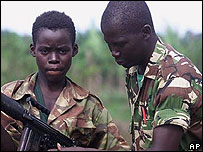
 Sri Lankan government is criticised for supporting proxy armed groups fighting rebel Tamil Tigers who are said to use children
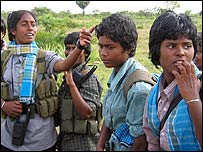
 India's frustration with Sri Lanka over Tamils