 | | | | | | | ||||||||||||||||||||||||||||||||||||||||||||||||||||||||||||||||||||||||||||||||
| | |||||||||||||||||||||||||||||||||||||||||||||||||||||||||||||||||||||||||||||||||||||
|
"Unseat Sri Lanka" - Nobel laureates | |||||||||||||||||||||||||||||||||||||||||||||||||||||||||||||||||||||||||||||||||||||
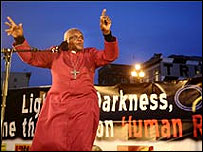
Nobel Peace Prize winners have joined rights groups to call on UN members to reject Sri Lanka's candidacy for the UN Human Rights Council. The New York based group, Human Rights Watch, has called on United Nations members to oppose Sri Lanka's bid to be re-elected to the UN's Human Rights Council. On the eve of the vote, the group said that the number of disappearances and abductions on the island amounted to a national crisis. The campaign against Sri Lanka's bid has drawn support from the Nobel Prize winning South African Archbishop, Desmond Tutu, former US President, Jimmy Carter and Adolfo Pérez Esquivel of Argentina. Tutu accused the Sri Lankan authorities of what he called the most serious imaginable systematic abuses of human rights. Argentine Nobel Prize winner Adolfo Pérez Esquivel compared the routine torture and the hundreds of "disappearances" and extrajudicial killings committed by Sri Lankan government forces to the "dirty wars" waged by various Latin American governments against their own citizens in the 1970s and 1980s. Govt. reaction Sri Lanka’s Human Rights Minister Mahindra Samarasinghe told Sandesaya that he is optimistic that Sri Lanka be re-elected to the UN's Human Rights Council.
He said Sri Lanka’s human rights record itself speaks of its suitability for re-election. Sri Lanka was a past president of the Asian Group when the Universal Periodic Review was discussed at the Human Rights Council, Minister Samarasinghe said. As the Chair of the Asian Group, he said, Sri Lanka had played a leading role in cultivating consensus within the Asia Group. Minister Samarasinghe said that Sri Lanka is also one of the vice presidents of the Human Rights Council and have been dedicating itself for the success of the council. He said Sri Lanka has not only been able to explain the country’s situation to the members but also playing a role in promoting and protecting human rights all over the world. The delegations, he said, will consider these factors when choosing a member out of the six contenders in the Asian region. | ||||||||||||||||||||||||||||||||||||||||||||||||||||||||||||||||||||||||||||||||||||||
| ||||||||||||||||||||||||||||||||||||||||||||||||||||||||||||||||||||||||||||||||||||||
| ||||||||||||||||||||||||||||||||||||||||||||||||||||||||||||||||||||||||||||||||||||||









 India's frustration with Sri Lanka over Tamils