| | | | | | | |||||||||||||||||||||||||||||||||||||||||||||||||||||||||||||||||||||||||||||
| | ||||||||||||||||||||||||||||||||||||||||||||||||||||||||||||||||||||||||||||||||||
|
Govt.ordered to pay compensation | ||||||||||||||||||||||||||||||||||||||||||||||||||||||||||||||||||||||||||||||||||
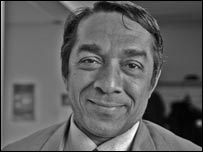
The Geneva based United Nations Human Rights Committee has instructed the Sri lankan government to pay compensation to Tony Michael Fernando who went to the Commission against the judgement of the supreme court of Sri Lanka. Tony Michael Fernando filed a petition saying that the punishment given to him for 'contempt of court' was very harsh and it is a violation of fundarmental rights. Fernando, a human rights activist was sentenced to one year rigorous imprisonment by a Supreme Court bench consisting Chief Justice Sarath Nanda Silva and Justices Yapa and Edussuriya in February 2003 for contempt of court. The Committee has ordered that the Sri Lankan State pay Fernando compensation for the violation of his rights and make necessary legislative changes to avoid similar violations in the future. It has further indicated that it would wish to receive from Sri Lanka information about the measures taken to give effect to its views within ninety days of the determination of its views. Kishali Pinto-Jayawardena and Suranjith Hewamanne went before the Committee utilising the Optional Protocol to the International Covenant on Civil and Political Rights (ICCPR) which permits individual citizens to appeal to the UNHRC in respect of violation of Covenant rights. Sri Lanka acceded to the ICCPR in 1980 and to the Optional Protocol to the ICCPR in October 1997. The Committee has pointed out that no reasoned explanation has been provided by the court or the State party as to why such a severe and summary penalty was warranted in the exercise of the court’s power to maintain orderly proceedings. Article 9(1) of the Covenant forbids any ‘arbitrary’ deprivation of liberty. The imposition of a draconian penalty without adequate explanation and without independent procedural safeguards falls within that prohibition. The Committee also points out, in its decision that the fact that an act constituting a violation of Article 9(1) is committed by the judicial branch of government cannot prevent the engagement of the responsibility of the State party as a whole. Commenting on the decision, counsel who represented Mr Fernando before the UN-HRC in Geneva, Kishali Pinto-Jayawardena said, “this is a significant decision in terms of the jurisprudence of the Committee, particularly given the severity of the language used by the jurists who questioned the fact that no reasons had been given by the Supreme Court as to why such a severe and summary penalty was necessary on the facts of the case. They have also stated that the state cannot absolve itself from responsibility on the ground that this is an act by the judicial branch of government. It is important that legislative change has been called for as Sri Lanka yet does not have a Contempt of Court Act unlike in the United Kingdom and in India. We are happy about the outcome and hope that some justice would be served to the victim who has now had to leave the country due to the trauma that he had to undergo during imprisonment where he was assaulted by prison guards and then threatened by unnamed persons after his release.” |
| ||||||||||||||||||||||||||||||||||||||||||||||||||||||||||||||||||||||||||||||||||
| |||||||||||||||||||||||||||||||||||||||||||||||||||||||||||||||||||||||||||||||||||
| |||||||||||||||||||||||||||||||||||||||||||||||||||||||||||||||||||||||||||||||||||






 Email to a friend
 Printable version