| | | | | | | |||||||||||||||||||||||||||||||||||||||||||||||||||||||||||||||||||||||||||||
| | ||||||||||||||||||||||||||||||||||||||||||||||||||||||||||||||||||||||||||||||||||
|
Tigers Willing to Join Government in Relief Effort | ||||||||||||||||||||||||||||||||||||||||||||||||||||||||||||||||||||||||||||||||||
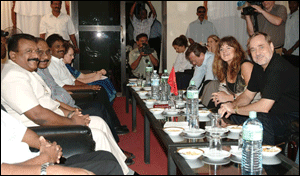
Sri Lanka's Tamil Tiger rebels say they are willing to join the government in setting up a "common mechanism" for distributing foreign tsunami aid. The Tigers accuse the government of withholding relief from their areas - a charge the government has rejected. A rebel spokesman spoke about a joint effort after visiting Norwegian peace mediators met reclusive Tiger chief Velupillai Prabhakaran. December's tsunami affected thousands on rebel and government-held territory. Initial hopes that the response to the disaster might draw together the Tigers and the government were dashed amid bickering over the distribution of foreign aid, the BBC's Dumeetha Luthra reports. Focus on relief
The government rejects the Tigers' claim that it withheld relief from rebel areas to the north and east of the island, saying it invested more effort in helping the Tamils than in the Sinhala-dominated south. Colombo says its policy of allocating aid for the entire island has ensured fairness. The Norwegian foreign minister, who earlier this week met Sri Lankan President Chandrika Kumaratunga,said a co-ordinated relief effort could yet be "conducive to a positive outcome" for the peace process. However, Jan Petersen said the focus of his meetings had been the tsunami relief effort - not the peace negotiations, which have been deadlocked since April 2003. Struggle 'on hold' Tigers' spokesman Anton Balasingham told the BBC Mr Prabhakaran was willing to co-operate with the government on setting up a common body for distributing the aid. He said Mr Prabhakaran had so far been "disillusioned" by the government's handling of the tsunami relief and it was time Colombo sought to "win the confidence" of the rebels. The Tigers, he said, had temporarily put on hold their political struggle for greater rights to devote themselves to dealing with the disaster's aftermath. The tsunami, which killed more than 30,000 Sri Lankans and displaced nearly one million citizens, badly affected the country's north and east - including areas largely controlled by the rebels. More than 60,000 people have died in two decades of fighting between rebels and government forces. |
| ||||||||||||||||||||||||||||||||||||||||||||||||||||||||||||||||||||||||||||||||||
| |||||||||||||||||||||||||||||||||||||||||||||||||||||||||||||||||||||||||||||||||||
| |||||||||||||||||||||||||||||||||||||||||||||||||||||||||||||||||||||||||||||||||||






 Email to a friend
 Printable version