| | | | | | | |||||||||||||||||||||||||||||||||||||||||||||||||||||||||||||||||||||||||||||
| | ||||||||||||||||||||||||||||||||||||||||||||||||||||||||||||||||||||||||||||||||||
|
Witness killed before case against police | ||||||||||||||||||||||||||||||||||||||||||||||||||||||||||||||||||||||||||||||||||
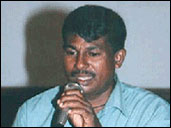
Gerald Mervin Perera, who was due to give evidence in court against seven police officers accused of torture, passed away on Wednesday at the Colombo General Hospital. He had been in a critical condition since he was shot on November 21 by an assassin. "This is the first time that a torture victim pursuing a complaint before the courts in Sri Lanka has been shot dead at the instigation of the perpetrators of torture,” Says the Asian Human Rights Commission (AHRC). The injuries caused to Gerald Perera after torture by officers of the Wattala Police in June 2002 were so serious that he was in to a coma for over two weeks. Since then, Gerald Perera took a fundamental rights case to the Supreme Court of Sri Lanka, which held in his favour on 4 April 2003 and awarded a record compensation payment. The criminal case in the Negombo High Court, where he was to appear on December 2, was the next step. In a report issued on Wednesday, AHRC condemned the killing. “The killing of a torture victim speaks to how the rule of law in Sri Lanka has totally collapsed, and how discipline in the police force has degenerated to the extent that some officers have become nothing better than the planners and instigators of homicide.” Says the AHRC. Over the last ten years, the AHRC has repeatedly voiced concerns over the exceptional collapse of the rule of law in Sri Lanka, said the AHRC. The AHRC points out that A high court judge was also killed two days before Gerald Perera was shot and several investigators belonging to customs authorities, the auditor general’s department and other agencies have also been seriously attacked. “Judges, complainants and investigators are all under severe threat from criminal elements with strong links to police officers.” The AHRC also asks the authorities in Sri Lanka to ensure protection of the family members of Gerald Perera. The organisation believes the threat against the family members still remain high. |
| ||||||||||||||||||||||||||||||||||||||||||||||||||||||||||||||||||||||||||||||||||
| |||||||||||||||||||||||||||||||||||||||||||||||||||||||||||||||||||||||||||||||||||
| |||||||||||||||||||||||||||||||||||||||||||||||||||||||||||||||||||||||||||||||||||






 Email to a friend
 Printable version