| | | | | | | |||||||||||||||||||||||||||||||||||||||||||||||||||||||||||||||||||||||||||||
| | ||||||||||||||||||||||||||||||||||||||||||||||||||||||||||||||||||||||||||||||||||
|
No to death penalty : NHRC | ||||||||||||||||||||||||||||||||||||||||||||||||||||||||||||||||||||||||||||||||||
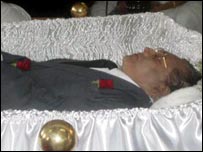
The National Human Rights Commission (NHRC) of Sri Lanka is opposing the implementation of death penalty. Director NHRC Nimal Punchihewa told BBC Sandeshaya on Monday that nowhere in the world has capital punishment reduced crime and called authorities to take effective measures to reduce crime instead of re-instating capital punishment. In the wake of the assassination of High Court judge Sarath Ambepitiya President Chandrika Bandaranaike Kumaratunge announced that the death penalty will be effective from Saturday for rape, murder and Although the previous government of President Kumaratunge decided to implement the death penalty in March 1999, it was never carried out. Protest
Joining international human rights organisations in opposing the move Amnesty International wrote to the president in April 1999 saying that resumption of executions after "23 years of being a de facto abolitionist country would be a blight on Sri Lanka's reputation and seriously undermine international confidence in the government's commitment to human rights and reform". Deputy secretary of Sri Lanka Bar Association (SLBA) Hemantha Warnakulasuriya on Saturday told Sandeshaya that SLBA is in favour of establishing capital punishment. Senior attorney at law Punchihewa said that endorsing Capital Punishment is not the collective opinion of the SLBA. Bar Association "It will lead to another disaster in the society had the SLBA taken such a decision," he warned.
He said the government should find the main cause of the crime than trying to impose piece meal solutions. Nimal Punchihewa said that Political intervention in judiciary and investigations together with lack of trust on judicial process due to slow pace of investigations are some of the main reasons for the increase in crime. He said the twenty years of civil war in the North East is another main reason. He said the human race now call themselves "civilised" as they have got rid of inhuman methods such as capital punishment. "If we are going back to it, that means we are going against the civilisation." |
| ||||||||||||||||||||||||||||||||||||||||||||||||||||||||||||||||||||||||||||||||||
| |||||||||||||||||||||||||||||||||||||||||||||||||||||||||||||||||||||||||||||||||||
| |||||||||||||||||||||||||||||||||||||||||||||||||||||||||||||||||||||||||||||||||||






 Email to a friend
 Printable version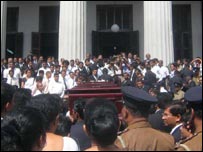
 The human race now call themselves 'civilised' as they have got rid of inhuman methods such as capital punishment. If we are going back to it, that means we are going against the civilisation