| | | | | | | ||||||||||||||||||||||||||||||||||||||||||||||||||||||||||||||||||||||||||||||||
| | |||||||||||||||||||||||||||||||||||||||||||||||||||||||||||||||||||||||||||||||||||||
|
Women quota in parliament urged | |||||||||||||||||||||||||||||||||||||||||||||||||||||||||||||||||||||||||||||||||||||
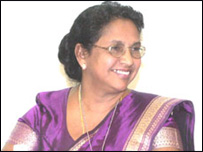
Women politicians from the ruling and opposition political parties in Sri Lanka, in an unusual move, have called on authorities to take measures to reserve a quota for women in the parliament. Women affairs minister, Sumedha Jayasena told BBC Sinhala service that she intends to introduce a bill similar to Indian one seeking 25 percent of all parliamentary seats for women, if elected to office in April. "An all party women group in parliament is already working on the proposal and we hope to introduce a bill seeking 25% representation," the minister said. The call comes following the historic move by India's upper house of the parliament to reserve a third of all seats in the national parliament and state legislatures for women. At present women make up just 10% of the lower house of parliament (Lok Sabha), and significantly fewer in state assemblies in India. But a third of seats in local bodies is already reserved for women.
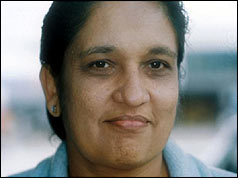
Rosy Senanayake, opposition leader of the Western Provincial Council (WPC) told BBC Sandeshaya that Sri Lanka has failed to improve the representation of women from the early twentieth century despite producing the first ever woman prime minister in the world. The late Sirimavo Bandaranaike created history by becoming the first ever woman prime minister when she was appointed to the office in 1960. Her daughter, Chandrika Bandaranaike Kumarathunga, became Sri Lanka’s first woman chief minister and the first woman executive president. Mrs. Senanayake, a former Mrs. World turned a politician and a leader of the opposition United National Party (UNP), is contesting to become a parliamentarian in the 08 April general election. "Sri Lanka being the first country in the region to introduce universal suffrage still only has about 4.5 percent of women in the parliament," she said. Pension for women Women in Sri Lanka, who currently amount to over 53 percent of the population, have won their universal suffrage in 1931, just six months after women in UK won the same right. It is high time that the island nation change the attitude towards women, says Mrs. Senananayake, and women representation in local bodies should also be changed.
"The women representation in the local bodies is not more than two percent," she told the BBC. Bangladesh reserves 15% of its parliamentary seats for women, Pakistan 30% and Afghanistan, after its new constitution, more than 27%, according to BBC's Soutik Biswas in Delhi. Nearly ninety six of women are literate in the island, and women are the driving force in the economy though not many senior positions are held by women. But it is not only the women representation that matters for women in Sri Lanka, according to Geetha Kumarasinghe, popular actress turned politician. She is contesting to become a parliamentarian from the ruling alliance. "I will campaign in the parliament, if elected, to offer every woman in Sri Lanka, domestic workers, tea pluckers, garment factory workers etc. a good pension like in UK so that they could spend their last years in peace," she says. IDPs and LTTE women While many activists argue about women's rights in the south plight of the tens of thousands of war affected women are almost forgotten, says Champika Rathnayake, of Left Liberation Front. "At least 50-60 Tamil Tigers women cadres are still in custody and another 35 LTTE women are currently being treated, with serious wounds, in Colombo hospital," she told BBC Sandeshaya.
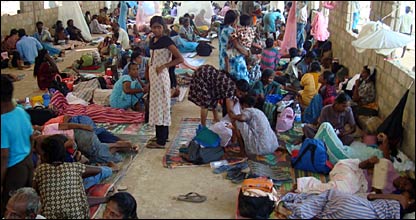
Ms. Rathnayake argues that it is inappropriate to mark the international women's day without taking adequate measures to provide permanent shelters to tens of thousands of internally displaced Tamil women and creating an atmosphere that they could also live with dignity. But Geetha Kumarasinghe argues that the figures on IDP women quoted by the BBC - although from official government statistics -are inaccurate. "I don't think your figures are accurate otherwise I'm sure government would've taken appropriate measures,' she says. "And remember, I think all these IDP women who were freed from the clutches of the LTTE by President Rajapaksa should be grateful to the president." Champika Rathnayake disagrees. "I am sympathetic of what happened to Anoma Fonseka," she says commenting on the arrest of former military commander, Gen Sarath Fonseka. "But nobody is talking about the plight of the IDPs and that of the detained and hospitalised LTTE women. I think not only the families of detained soldiers, these women also deserve the same attention," she added. A selection of your comments We voted two women to the helm of Power, something the USA is still struggling to achieve, including the first in the World. So we are a step ahead on this issue. The announcement to present the National Womens Commission Bill is timely, considering that up until this announcement, no attempt has been made to increase womens representation at all levels of politics and governance and there has been no removal of discriminatory practices, stereotypes and perceptions that prevents womens full and equal participation. The Womens Caucus in Parliament forwarded a memo recently suggesting increased representation of women. So far nothing has come of it. Hopefully, the presentation of the National Womens Commission Bill in Parliament will set things on course. With regard to the plight of women IDP's, it would do well to implement UNSCR 1325, which stresses on parties to a conflict to respect womens rights and to support their participation in peace negotiations and in post conflict reconstruction. It will be nice to see more women in Sri Lankan parliment. I think they should enter only on merit basis and Not on their popularity or celebrity status. Women in Sri Lanka have had quality representation in all walks of public life without there been any special legislative, or other, provision for their participation. Males,who dominate politics have dragged it down to the gutter. Clean up politics and women, who are much more discerning in public life, would then enter politics if they felt so inclined. Get the priorities right. Settle the ethnic problem first before the Sri Lankan government addresses the issues about the Women quota in parliament. In Sri Lanka, there is no discrimination for women to study, to posess property or work in any capacity as a labourer or top CEO. Similarly no difference between men and women to vote or do politics. If women want to do politics, they are free to do so. That is the reason why Sri lanka produced worlds first women priminister as well as worlds first Executive president. If some one create a law to say you should have x percentage of females as politicians, it undermine to freedom Sri Lankan females had. If any political party is interested having more women, they can encourage women to take part in active politics. Only eligible people should be elected.No sense asking for a quota for women. Immaterial men or women. Not on sympathy,not on beauty, they should be brave and courages. | LOCAL LINKS  'Slave brides' causing concern in UK 'Slave brides' causing concern in UKSandeshaya Indian house approves women's quota bill Sandeshaya 'A new liberation for Indian women'Sandeshaya Plight of Sri Lanka's war widowsSandeshaya Saving holds key to women's empowerment Sandeshaya | |||||||||||||||||||||||||||||||||||||||||||||||||||||||||||||||||||||||||||||||||||||
| ||||||||||||||||||||||||||||||||||||||||||||||||||||||||||||||||||||||||||||||||||||||
| ||||||||||||||||||||||||||||||||||||||||||||||||||||||||||||||||||||||||||||||||||||||