| | | | | | | ||||||||||||||||||||||||||||||||||||||||||||||||||||||||||||||||||||||||||||||||
| | |||||||||||||||||||||||||||||||||||||||||||||||||||||||||||||||||||||||||||||||||||||
|
British diplomat slams war on terror | |||||||||||||||||||||||||||||||||||||||||||||||||||||||||||||||||||||||||||||||||||||
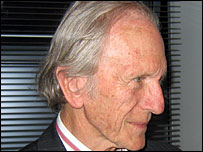
A senior former British diplomat has strongly criticized the British support for the US-led war on terror. Former British High Commissioner to Sri Lanka, David Gladstone, told BBC Sandeshaya that the idea of war on terror offers legitimacy to criminal groups whose strategy is to terrorise civilians. “I don’t believe on war on terror. I don’t know what it looks like. I live in London and I can’t say that I feel like in a war situation. It only glorifies those who are setting up bombs,” he said. The retired British diplomat and human rights campaigner is currently writing his memoirs, of which most of the chapters are on Sri Lanka. West's war on terror, he said, is offering a free hand to many tyrants in the world to clamp down their opponents committing gross human rights violations. Expelled from Sri Lanka Mr. Gladstone was expelled from Sri Lanka in 1991 by then President Ranasinghe Premadasa accusing him of interfering in Sri Lanka’s internal affairs.
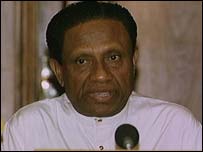
The former British High Commissioner did not deny the accusation. The clear instructions by the British government to interfere to help protect human rights in Sri Lanka marked a new chapter in very long tradition of international diplomacy whereby diplomats did not openly criticise their host countries, according to Mr. Gladstone. “Rules of diplomacy have actually changed. I was thrust into the situation to pioneer (in 1991) a new approach to international diplomacy while I was in Sri Lanka,” he said. Both the then Sri Lankan government and the Janatha Vimukthi Peramuna (JVP) are accused of killing over 60,000 people as JVP took arms against the state. ‘Never supported JVP’ The British government has instructed their envoy in Colombo to discourage the Sri Lankan government to “end massacres, torture and disappearances”.
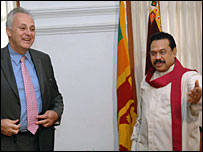
Because of his strong criticism over the conduct of the then government, Mr. Gladstone had been often accused of being a JVP supporter, a charge he categorically denies. There were clear instructions from the British authorities to condemn all human rights violations, including those carried out by the JVP. “Obviously the current JVP leadership might oppose this but the then JVP leaders gave the impression that they will kill all the diplomats when they come to power. So we were not keen on bringing JVP into power”. The current Sri Lankan president, Mahinda Rajapaksa, was a young opposition parliamentarian and a leading human rights campaigner during Premadasa government. ‘My friend’ Mahinda Rajapaksa Mr. Gladstone admits he and Mr. Rajapaksa were very close friends during his time as the British High Commissioner in Colombo. The young opposition MP launched a massive campaign in which he sought help from the international community, including the UN, to end rights violations in Sri Lanka.
“We talked often about the situation in Sri Lanka. We found very much in common in our criticism in what was going on. But I naturally was very careful not to support him personally and in public or his party,” David Gladstone added. Mahinda Rajapaksa, as an opposition parliamentarian, worked closely with the AI and the UN to protect human rights in Sri Lanka. The situation however, dramatically changed since Mr. Rajapaksa took over as the executive president in November 2005. Journalists killed Over 09 journalists were killed and many others abducted and assaulted since late 2005. Mr. Gladstone said he is reluctant to comment on Sri Lanka's current human rights violations as he is not updated on the situation.
However, it is "absolutely appalling" if the reports over killing and assaults on journalists are true, he added. "I sincerely hope the situation is not worse than in Zimbabwe. It wouldn't however happen during Mr. Premadasa's government," he told BBC Sandeshaya. Senior journalist Richard de Soysa was abducted and later found killed during Premadasa presidency but many other journalists who strongly criticised his administration were never harmed. Prime Minister Premadasa, Mr. Gladstone said, was a very close friend of his but things changed as Mr. Premadasa became the president. | LOCAL LINKS  Your say on war on terror Your say on war on terror10 August, 2008 | Highlights History 'repeats' through lens 16 July, 2008 | Highlights | |||||||||||||||||||||||||||||||||||||||||||||||||||||||||||||||||||||||||||||||||||||
| ||||||||||||||||||||||||||||||||||||||||||||||||||||||||||||||||||||||||||||||||||||||
| ||||||||||||||||||||||||||||||||||||||||||||||||||||||||||||||||||||||||||||||||||||||









 We talked often about the situation in Sri Lanka. We found very much in common in our criticism in what was going on. But I naturally was very careful not to support him personally and in public or his party