| | | | | | | |||||||||||||||||||||||||||||||||||||||||||||||||||||||||||||||||||||||||||||
| | ||||||||||||||||||||||||||||||||||||||||||||||||||||||||||||||||||||||||||||||||||
|
Four years, Many deaths: Goodbye Sri Lanka | ||||||||||||||||||||||||||||||||||||||||||||||||||||||||||||||||||||||||||||||||||
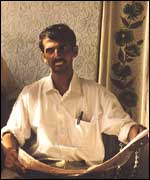
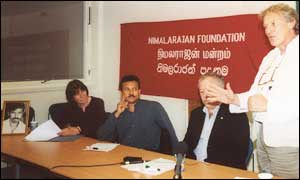
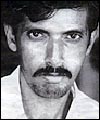
Frances Harrison looks back at her four years in Sri Lanka through tragic fate of former BBC Jaffna correspondent Nimalarajan Mylvaganam. As I leave Sri Lanka I have on my mind a journalist called Nimalarajan Mylvaganam. He worked for the BBC in the northern city of Jaffna. Four days before my interview for this job he was shot dead. Two armed men burst into Nimalarajan's house as he was listening to the news on the BBC Tamil service at night. One man shot Nimalarajan five times in the head and chest. The other knifed his elderly father; the medical report said he had thirty three centimetres of cuts on his face and neck.
Nimalarajan's mother came out of the bathroom to see her husband and son bleeding on the floor. At that point, the attackers tossed a hand grenade into the sitting room. The mother and nephew were badly injured. The gunmen departed, firing in the air as they went. All this, a short distance from a military checkpoint and during curfew hours. The only relief was that Nimalarajan's three children, all under the age of five, were asleep in the bedroom and unharmed. I remember the family trying to explain to me - new to Sri Lanka - how difficult it was to move around at night in Jaffna during those days of war. They said it took them an hour to get from their home to the hospital with the injured and dead on a primitive cart they pushed. A man had to walk in front waving a lantern to alert the soldiers that they were coming in peace and not attacking them. Later we asked the Sri Lankan army if they knew who had been on duty that night at the checkpoint but they said they'd lost the records. Nimalarajan's family were asked if they suspected anyone of being behind the attack. It was slightly Kafkaesque to see these people forced to lie and say no when some papers in Colombo were openly accusing people. I cannot say how much the family knew about the identity of the killers because that might put them in danger - even though they're now living abroad. For the first year and a half in Sri Lanka the Nimalarajan family became a part of my life. I remember the time they panicked when the police came to their house on a routine check. They went through the torture of applying for asylum in Switzerland and being rejected. They waited for months for a phone call from an embassy or an essential document to arrive from abroad; living in limbo and numbed by the shock of what had happened to them.
When my Sinhala colleague organised an event to mark the first anniversary of Nimalarajan's death, he received a threatening telephone call. Redialling the number another man said it was the local army camp. Later we identified the number. It was actually a fellow Sinhala journalist. So much for basic decency let alone professional solidarity. To leave the country it's necessary to have a police clearance certificate. Although they knew full well who this family was - or perhaps because they knew - the Jaffna police dragged their feet on issuing this certificate. Finally we had to pull strings at the highest level of government to get the work done.It was the sheer meanness of that final gesture that lingers in my mind. Almost four years later Reporters Without Borders who championed this case commented that it was now apparent the police were unable or unwilling to conduct an investigation and gather physical evidence. Impunity is a word that's often used in Sri Lanka but it's still astonishing that despite the peace process, the change of government and the international attention given to this case - justice has not been done.
The killings have started again. Another Tamil journalist was shot dead in the east at the end of May. Several others are in hiding in Colombo after receiving death threats. The BBC's reporters in the eastern town of Batticaloa no longer report in voice as it's considered too dangerous. Another BBC reporter in the north received a death threat last year. As I prepare to say goodbye to Sri Lanka I think of how Nimalarajan's family left this country. No big send off, no farewell gatherings, no interviews - they went quietly - their departure unnoticed by anyone. The children were excited about starting a new adventure abroad but Nimalarajan's parents were in tears at the thought of leaving their country. They knew it was the right thing to do, but they felt they'd been made unwelcome in their own home. |
| ||||||||||||||||||||||||||||||||||||||||||||||||||||||||||||||||||||||||||||||||||
| |||||||||||||||||||||||||||||||||||||||||||||||||||||||||||||||||||||||||||||||||||
| |||||||||||||||||||||||||||||||||||||||||||||||||||||||||||||||||||||||||||||||||||






 Email to a friend
 Printable version