BBC HomeExplore the BBC
This page has been archived and is no longer updated. Find out more about page archiving.

16 October 2014

BBC Homepage

Scotland
Sport Scotland
A Sporting Nation

List All Articles

- By Sport
- By Date
Media Player
FAQ
Future Stars
Radio Series
Submit an Article
Contact Us

Contact Us

Swimming

Bobby McGregor, the Falkirk Flyer 1964

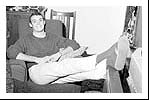
Bobby McGregor

© SCRAN

However in Tokyo. McGregor was unlucky enough to share the pool with one of the greatest freestylers of all time, United States prodigy Don Schollander. Schollander was more of a 400-yard specialist but like many swimmers, used the shorter races as preparation for their favoured distance. In punishing conditions, McGregor's time of 53.5 seconds, enough to win in Cardiff two years previously, was just a tenth of a second off the mark, leaving Schollander to win the first of four medals at that games.

A lunch for the Olympic team at Buckingham Palace led the Queen to console her country's swimming captain on the agonising close finish. "I watched your race on television," Her Majesty told him. "It was very exciting and if you'd had a longer finger you would have won."•

McGregor refused to rest on that silver medal though, and enjoyed the greatest period of his career two years later. During the space of five weeks in 1966, he stormed to gold at the European Championships in Utrecht, the Netherlands, shortly after clinching the same medal at the Jamaica-based Commonwealth Games.

His crowning glory came at the British Championship, where he shaved two tenths of a second off his 1964 world record. These achievements led the Queen to award Bobby the MBE for services to swimming in the following New Year Honours.

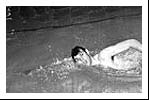
Bobby McGregor

© SCRAN

However time had taken its toll and in a sport well known for its youthful performers, the then 24-year-old travelled to Mexico City's 1968 games outside the favourites for the newly-metric 100 metres freestyle. A fourth-placed finish provided a sad but dignified close to a wonderful career.

McGregor retired from the sport to pursue the career he had trained for over and above his regime in the water - a degree in Architecture had been attained at Strathclyde University some time previously. It was testament to the drive and Scottish stubbornness of such a young man, that he was able to combine the rigours of Olympic-class sport with the necessary training for a lifelong professional career.

Written by: Dave Low

Page: 12

Comments

Comment on this article or read what others have written.

Read Comments >


Related Links

The BBC is not responsible for the content of external websites.


More Articles

A complete list of articles is available:

By Date >

By Sport >


About the BBC | Help | Terms of Use | Privacy & Cookies Policy