

The final game of the group saw Scotland facing up to the might of Holland. The Dutch may have been missing the genius of Johann Cruyff (who was boycotting the tournament for political reasons) but they remained one of the favourites to win the competition outright and, with the Scots needing to win by 4 clear goals, it looked like a case of lambs to the slaughter.
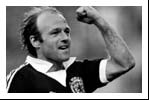
As so often is the case, in Scottish sport however, the national team were not prepared to lie down and meekly submit. Even after the Dutch had taken the lead through a Rensenbrink penalty the Scots rallied, and Dalglish grabbed an equalising goal. Just after the break, Archie Gemmill converted a Scottish penalty to give the Scots the lead, and then, with 70 minutes on the clock, came the moment of magic that Scots still talk fondly of to this day.
 |  |
|
It was not to be. Johnny Rep launched a thunderbolt of a shot past Alan Rough to bring the score to 3-2 and Scotland were out. Holland went on to reach the final of the competition, the Scottish team returned home to a nation in despair and looking for somewhere to pin the blame.
The legacy of the 1978 World Cup looms large in Scottish international football history. The underestimation of our opponents, the disastrous consequences and the subsequent vilification of the optimistic manager and players produced a sense of fear amongst the SFA. Never again would a Scottish manager talk up the prospects of his team. In many ways this is grossly unfair: Scottish football could dearly do with someone of Ally MacLeod's enthusiasm today to manage to get the whole country excited about the international team. It is also no disgrace to have lost to a very good Peruvian team and to have beaten Holland, and but for a bit of luck in the game against Iran, Scotland could easily have taken a place in the second round.





