
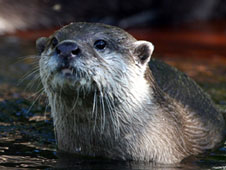
Forever associated with Gavin Maxwell's book Ring of Bright Water, otters have long been firm favourites with lovers of Scotland's wildlife.
The otter in Maxwell's book may not have been from British waters (in the book it was rescued from Iraq) but there is an increasing population of this native species to be found in Scotland. In fact, we have one of the largest concentrations of the mammal in Europe with around 8,000 otters spread throughout the country.
Otters are predators and can eat up to 15% of their own body weight a day. Their preferred diet is fish, although some otters are adept at opening shellfish.
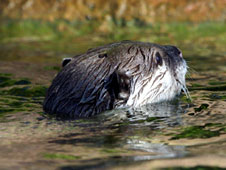
Until recently the future of the otter in Scotland was looking decidedly bleak. The industrialisation of Scotland's rivers and coastline as well as numerous chemical spills destroyed the fish numbers in many of Scotland's waterways. This decimated the otter population.
With the cleaning up of the waterways the otter has made a remarkable comeback and can now be found all over Scotland - even in once-polluted rivers like the Clyde.
Otters are now protected by European law and since 1981 it has been illegal to kill them.
Where to see them?
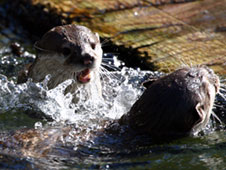
In the wild otters can be hard to spot and there is no guarantee of coming across one. However, if you want to persevere, keep an eye out along rivers, lochs and coasts.
Visiting an organised centre or sanctuary will give you the best chance to see an otter close up. The Scottish Sea Life Sanctuary, near Oban, is one such place. With organised activities and daily feeding sessions there are plenty of opportunities to see otters at close quarters.
When to see them?
Otters can breed all year around but in Scotland they tend to breed in the spring time. By early summer otter cubs are born. During the autumn months the cubs are learning to hunt and fend for themselves.
Page first published on Friday 4th April 2008
Page last updated on Friday 17th October 2008


Post Your Comment