
Mountaineering is often depicted as an extreme sport where brave souls armed with exotic-looking equipment tackle impossible peaks. A defining image of the activity would be Sir Edmund Hillary and Tenzing Norgay conquering Everest in 1953. The truth is that mountaineering is far more accessible than many think, and particularly so in Scotland which is home to numerous craggy pinnacles.
Who can do it?
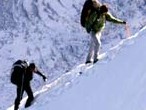
In 2006 Mark Inglis became the first double-amputee to successfully climb Everest - how's that for an inclusive sport! Mountaineering is open to all, although knowing your limits is essential. A good degree of fitness is required, particularly on the more challenging climbs, but, as common sense would dictate, you would not attempt the more difficult expeditions until you are confident on the hills. However, even the experts had to start somewhere and there are routes suitable for mountaineering beginners.
Where can I do it?
On your own doorstep! The Cairngorms, Glencoe, Torridon, the Cuillins … there are numerous well known ranges scattered around the country. From relatively gentle peaks that are ideal for novices to the more arduous challenge of the 284 Munros, Scotland is an ideal base for mountaineers.
There is a well established network of climbing schools in Scotland that provide expert instruction to get you started or help develop existing skills. If you're unsure of an area or just want a bit of extra knowledge on hand during expeditions it is often possible to hire a guide.
When can I do it?
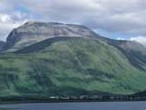
People enjoy mountaineering all year round but the sport can be very hazardous in poor weather. The winter months in particular see a rise in casualties and fatalities. Even in the summer months the weather in our mountain ranges can change rapidly for the worse. Local mountaineering groups and guides can advise about when and where it is safe to climb. Whenever you decide to head out it's imperative to check the weather forecast.
What equipment do I need?
Safety is a key consideration in mountaineering. The very basic equipment includes good strong boots, warm clothing and weatherproof outer clothing. A map of the area, compass, whistle, mobile phone, torch and a supply of food and drink are also essential.
For more adventurous climbs specialist equipment such as crampons, pulleys, ropes and protective headwear would be required. Beginners to the sport would be wise to join an established mountaineering group and seek their advice.
How much does it cost?
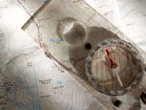
Access to Scotland's mountains may be free but the cost of mountaineering equipment and knowledge-building can mount up. However, it is important to note that the many of those who get into trouble on Scotland's mountains are ill-prepared and ill-equipped. There are various courses on offer across the country which will prepare you for spending time in the mountains, such as navigation and safety tuition, avalanche avoidance and survival skills. One day courses can cost around £100, two day courses can cost around £160.
Page first published on Thursday 28th February 2008
Page last updated on Monday 18th August 2008


Post Your Comment