
Whether it is due to the thrill of the chase, the quiet satisfaction of choosing the right spot or simply the chance to spend time surrounded by nature, fishing is one of the country's most popular pastimes. There are many types of fishing to try and can be broken down into 3 broad categories:
Game - salmon, trout and grayling
Coarse - pike, perch, roach, bream and carp
Sea - cod, haddock, pollack, conger eel, to name a few of many!
Scotland's rivers and coasts provide a fantastic backdrop for this activity with beautiful scenery and well stocked waters. Wherever you live in this country, from the Highlands to the borders, there is ample opportunity to give this sport a try.
Who can do it?
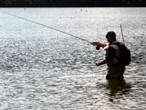
Fishing is a sport open to all: all that is required is a little patience!
Children could start from around the age of six or seven, however, it is best to allow them to learn at their own pace. If they are having trouble mastering basic techniques it could dissuade them from the sport early on.
While access to riverbanks may be a problem for some, organisations such as the Wheelyboat Trust offer the opportunity for disabled fishermen and women to get out on the water.
Where can I do it?
It all depends on which type of fishing you have in mind. You are never very far from a fishing site in Scotland. Do some research via the web links provided here, or better still speak to someone in a local tackle shop, there is no substitute for local knowledge.
In general, salmon fishing is most common in the Spey, Dee, Leven, Tay and Tweed; wild brown trout can be caught in lochs and rivers across the country as well as day ticket fisheries that stock hard fighting rainbow trout; coarse anglers have excellent opportunities to fish throughout Scotland, pike anglers travel from all over Britain to Scotland's lochs such as Loch Awe and Loch Lomond as they have provided some huge pike in the past while canals and rivers offer varied species; sea fishermen have ample opportunity to cast off from boat or from Scotland's varied shoreline.
When can I do it?
The salmon fishing season begins in mid-January and ends in late October specific dates differ, as 'runs' of salmon vary from river to river. There are some very strict local rules for taking fish at certain times of the year and they should be observed.
Brown trout can be caught from 15th March to 17th October, while many fisheries will allow fishing for rainbow trout all year round, as these fish do not reproduce.
Coarse fishing in Scotland is permitted throughout the year, as is sea fishing, yet the fish available to catch in the sea can be seasonal. In the spirit of conservation, please bear in mind spawning periods and the dwindling stocks of species like cod and haddock.
What equipment do I need?
This depends very much on the type of fishing you want to do. You will need a stout rod for sea and pike fishing for instance, while trout and coarse rods require a more subtle approach. By far the best way to fish for game fish is by fly. It can take a while to master but well worth the effort. Many fisheries offer instruction and is highly recommended, or simply ask a pal to show you the basics. Additional enjoyment can be gained by tying your own artificial flies. There are many step-by-step video guides online which will help you.
A rod, reel, terminal tackle (hooks, weights etc) and bait are the basic requirements. Look for local tackle shops; they will also be able to provide you with further information on what is required. For beginners, there are some reasonably priced starter packs with all you would need but ensure what you're buying is fit for the purpose and many day fisheries offer hire of equipment.
More specialised (and expensive) equipment need only be bought once you're sure you're hooked!
Remember you will need to wear suitable clothing to keep warm and dry, fishing becomes less fun when uncomfortable! Most importantly, if angling from a boat, a life-jacket is a must. Well run lochs and fisheries will offer these as part of the boat hire.
How much does it cost?
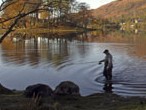
A day's fishing can range from a few pounds to several hundred pounds! It all depends on where you want to fish. The best beats on famous salmon rivers will naturally cost more. You do not need an environment agency rod licence to fish in Scotland but a permit is required for almost all freshwater fishing, again local tackle shops are the place to buy permits and best advice on bait and techniques.
Sea fishing from the shoreline is free and though fewer in number than in years past, charter boats are available around Scotland for sea fishing trips.
And speaking of cost, consider the cost to the environment. Remember to take all rubbish and unused fishing line home with you for proper disposal. Fishing line can be lethal to small birds if they become tangled up in it.
Fishing in Scotland doesn't have to cost the earth. With a bit of research you will find what you're after at a price that suits. Throw in the glorious back-drop of Scotland's scenery and you'll have a perfect day out at a bargain.
If you would like to share your stories or photographs from a day out fishing, send us an email.
Page first published on Friday 8th February 2008
Page last updated on Monday 19th January 2009
 In pictures : Fishing Loch Grannoch

Post Your Comment