

In the extreme north of Scotland, half way between Orkney and Shetland lies Fair Isle. Forming part of Shetland's archipelago it is the most isolated inhabited island within the British Isles. Due to their reliance on the land to continue their crofting traditions, Fair Isle's residents are closely connected to their environment, but today their whole way of living is under threat from climate change.
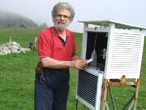
One of the Isle's crofters is Dave Wheeler, he is a professional meteorologist who for more than thirty years has been providing the Met Office with hourly observations from the weather station on Fair Isle. During that time, however Dave has witnessed a gradual change and destabilising of Fair Isle's climate.
Stuart Thomas an elderly crofter on Fair Isle explains that the length of the growing season is also coming later and is now even shorter: “winter gales are reaching the island's shores earlier, before the harvest in late summer. The gales spray sea salt across the island, ruining barley and potato crops, which we rely on to support ourselves and our animals through the winter months.”
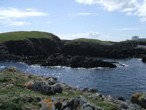
Dave Wheeler explains that, “Mist and fog is also becoming increasingly common during the summer months. In early summer warm air coming north from the British Isles travels over cool seas shrouding the Isle in fog, but with increasingly warm air coming north having travelled over the British Isles crofters are seeing their summer hay crops ruined by increasingly persistent and late damp fog. A bad year for a hay crop can be a disaster for a crofter's finally balanced work cycle, resulting in a shortage of food for livestock through the harsh winter months.”
Page first published on Monday 24th September 2007
Page last updated on Tuesday 17th June 2008

