
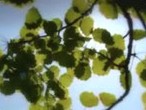
A hunt is underway in the Highlands to track down the male and female varieties of the Aspen. The Highland Aspen Group and Trees for Life are trying to boost the species which is struggling for a number of reasons including habitat fragmentation, overgrazing and climate factors. But they are also becoming rare because they produce flowers that are either male or female.
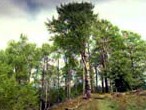
Often these single sexes are situated apart from each other, therefore they will be too far apart to propagate and spread. Their characteristics are also causing them problems because they don’t flower every year, and they are notoriously difficult to propagate by seed.
Trees for life
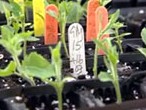
Trees for life have a 900 square mile area zoned where they want to restore Caledonian Forest and all its constituent species. One of their immediate aims is to map all the existing aspen strands and to enhance them. The Aspen Project was set up in 1991 and they have established a propagation unit which has cultivated new trees from root cuttings and help rejuvenate aspen numbers growing in the wild.
Save the trees
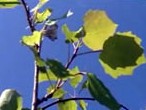
Aspens are easily identified from a distance by the sound of the leaves and it’s trembling appearance, their scientific name, Populus tremula, reflects this characteristic shimmering of it’s foliage. The Aspen is a beautiful but rare feature of the Caledonian Forest, it is most common in the north and west of Scotland. It will grow up to 550 metres and it is often found in rocky cliffs with a southerly aspect, maybe surviving because these areas are out of the reach of grazing animals.
Watch the Landward video about Aspen trees.
Page first published on Wednesday 12th September 2007
Page last updated on Tuesday 17th June 2008

