A history of The Barras in Glasgow
By Simone Smith
Whether you're familiar with its name as a flea-market, music venue, or a dodgy dealings dive, The Barras is a Glaswegian institution which at one time was the largest open-air market in Europe. However, it's not merely a market but a place of distinct character embedded in the Glasgow psyche.
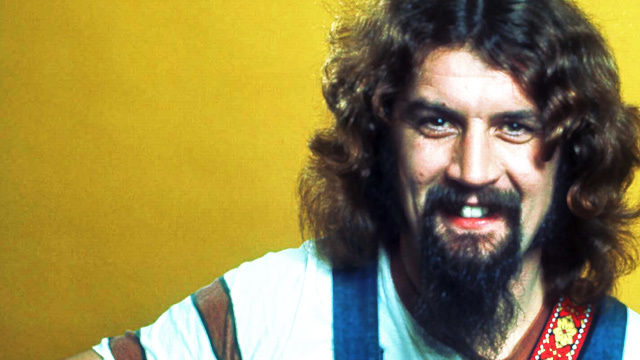
Billy's Barras
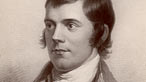
Billy Connolly talks (in 1986) about The Barras and a stall trader Frank Bennett who inspired him to become a comedian. BBC World Affairs Correspondent Allan Little describes some of the key moments from his career and answer questions about what it is like to report the world in an age of conflict. Bill Boyd reads his poem Hogmanay, written in the style of Robert Burns.


Barras origins
The city's east end has been a hotspot for bric-a-brac hunters since the late 18th Century. With the industrial expansion of Glasgow, and mass immigration from the Scottish Highlands, Ireland and elsewhere in Victorian times, the area became overcrowded. The swelling population of the lower working class needed somewhere to trade and make a living in the city. The Bridgegate or Briggait was synonymous with the rag and second-hand clothes trade at that time. The Glaswegian word barras (pronounced ba-ras) describes the handcarts which the traders used to hawk (sell) their wares.
When they were not selling from the barrow, the hawkers would travel to the middle-class parts of town to source bundles of clothes and other goods. Once home they would wash and mend anything saleable. This system of bartering and street hawking served many social purposes: it gave the poor and unemployed a degree of respectability, preferable to begging or stealing, and it also served to clothe the majority of the poor. Nothing was wasted.
It was from this background that Maggie McIver (later known as "The Barras Queen") was introduced to a way of life which was to become her destiny and affect the lives of thousands of people for generations to come.
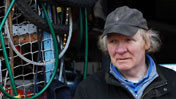 Traders at The Barras today
An audio slideshow featuring five stall traders working at The Barras in 2011.