
The Bahá'í new year festival.
Naw-Rúz
Last updated 2009-09-25
Naw-Rúz
Naw-Rúz (literally new day) is the Bahá'í new year festival and falls at the spring equinox, although it has been fixed at 21st March for countries outside the Middle East. Naw-Rúz symbolises the new life of spring.
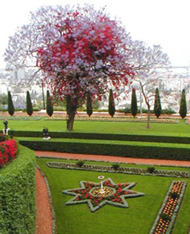
Naw-Rúz is the first day of the month of Baha which is the first month in the Bahá'í calendar.
The festival is usually observed with meetings for prayer and celebration. The celebration is often combined with a feast as the sunset before Naw-Rúz signals the end of a 19-day fast. Festivities can also include music and dancing.
Time is spent visiting friends and relatives and exchanging gifts. Naw-Rúz is one of the nine Bahá'í holy days on which work is suspended.
Naw-Rúz is an old Iranian celebration and also marks the start of the Zoroastrian new year.
Elsewhere on the web
BBC iD
BBC iDBBC navigation
BBC links

BBC © 2014The BBC is not responsible for the content of external sites. Read more.
This page is best viewed in an up-to-date web browser with style sheets (CSS) enabled. While you will be able to view the content of this page in your current browser, you will not be able to get the full visual experience. Please consider upgrading your browser software or enabling style sheets (CSS) if you are able to do so.

