

Great animal migrations
There were 40 programmes and a Launch Programme in the World On the Move series. You can listen to any programme again by reeling through the carousel to find the episode you want.
Launch programme
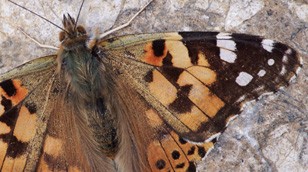
12 Feb 2008In the first programme Philippa and Brett launch the Top Goose feature; having tagged a number of geese, it’s a race to see who will overcome the Greenland ice cap first. We hear from our salmon reporter, Laura Payne, who is preparing to leave for Alaska and there is an international version of Eyes on the Skies as we speak to our Painted Lady Butterfly observers.
Programme 1
19 Feb 2008In this week’s programme Brett travels to Gambia in search of songbirds which any day now, will leave their winter home and head north for Britain. We join a team of scientists in New Zealand where they’ve been catching and attaching transmitters to Bar-tailed Godwits (the wading birds which hold the record for the longest non-stop flight) so we can follow their journey to Alaska and back. And here in Britain, there’s the launch of a competition to spot the first spring migrant arrive.
Programme 2
26 Feb 2008In this week’s programme Philippa speaks to our reporter Tom Arnbom, who spent the winter in Siberia on the trail of Polar Bears. Brett asks our Godwit expert in New Zealand, Dr Phil Battley, some of your thought provoking questions and we follow up the Bird Observatory competition following news that the first swallow of the year has been spotted. Elsewhere, we hear about a migration story that we knew nothing about before last year - that of the White-eared Kob in war-torn Sudan.
Programme 3
04 Mar 2008In the programme this week, Brett speaks to Roy Dennis to get the latest news on Logie, our tagged female Osprey who's migrating home to Scotland from West Africa. Elsewhere, Philippa talks to a woman who has recorded the voice of Cod, Froglife's Jules Howard updates WOtM on the UK's Toad migration and Larry Griffin of the WWT has some exciting news on our Top Goose challenge.
Programme 4
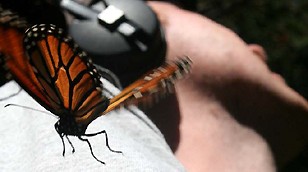
11 Mar 2008Grant and Jody report on one of nature's most spectacular migrations - that of the Monarch Butterfly. They are in the forests of central Mexico where millions of Monarch Butterflies are preparing to migrate northwards. Philippa goes on Toad Patrol and Graham Appleton from the BTO reports on the current stormy weather and its effect on migrants - apparently Chiffchaffs are just giving up.
Programme 5
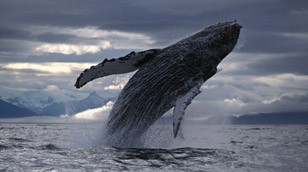
18 Mar 2008World On the Move look at the migrations of some of the really spectacular creatures - Leatherback Turtles, Humpback Whales and Albatrosses. Philippa discovers from Roy Dennis that Logie the Osprey has left Guinea Bissau and we confirm reports that the Godwits have started to leave New Zealand. Finally, we discuss ocean currents and their effect on migration with marine biologist, Jon Houghton, and oceanographer, Simon Boxall.
Programme 6
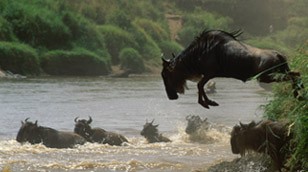
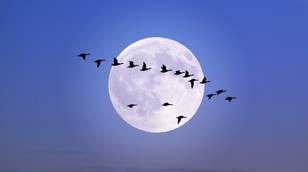
25 Mar 2008The visual spectacle of herds of migrating Wildebeest is perhaps one of the most memorable images of natural history television. Philippa speaks to Peter Bassett who is filming on the Serengeti to get a sense of what is happening there. Elsewhere, Logie the Osprey is still flying home to Scotland and the Alaskan bar-tailed Godwits are finally in the air whilst Top Goose is offically launched. We also discuss World Class, a BBC iniative to twin schools across the world.
Programme 7
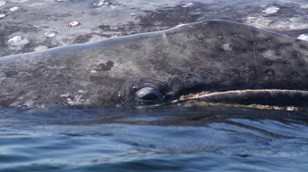
01 Apr 2008California's Gray Whale population are well and truly on the move. We speak to a range of personalities, all of whom have a unique perspective on a mammal that completes a 10,000 to 14,000 mile round trip every year. Logie the Osprey is overlooking the Bay of Biscay and there's news of the first Wheatear which means spring is here. Finally, we take a look at the Salmon migration up the River Tyne.
Programme 8
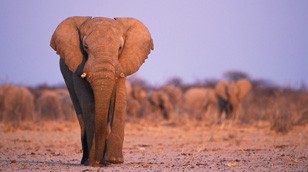
08 Apr 2008Mac is an African Elephant that has entered "musth", a massive testosterone rush that heralds sexual behaviour and his 200km migration to find a mate. Philippa speaks to Michelle Henley of Southern Africa Save The Elephants to find out how she is hoping to follow him over the next few weeks. Unbelievably, Logie has still not turned up but once again Roy Dennis is on hand to provide the latest reports. Elsewhere, following an update on the Monarch Butterflies Brett went to find out how migrating animals navigate.

Programme 9
15 Apr 2008One month after leaving west Africa, Logie has invaded British airspace. Find out in the programme to see if she has made it to her nest in the Highlands. Mac, our African Elephant that went into heat last week, is on the move and Philippa speaks to the Henleys to get the latest. We've had loads of swallow sightings so Brett is at Portland Bill, one of the best places in Britain to see the legions of migrants streaming into the UK, to ask Graham Appleton how these birds migrate.
Programme 10
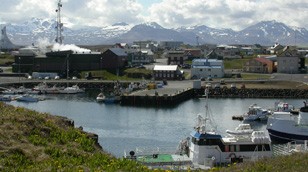
22 Apr 2008It's been a month since Logie left west Africa, surely it's about time she reached her Scottish nest. Philippa covers the Humpback Whale migration from Hawaii to Alaska, there is an update on the progress of the Alaskan Bar-tailed Godwits in China and Brett speaks to the man who has been sending us postcards from Iceland, Graham Appleton.
Programme 11
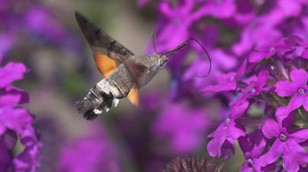
29 Apr 2008After an eventful week, Logie the Osprey has finally returned home to reclaim her nest and her mate. Naturally, Roy Dennis will be on hand to provide the latest news. Philippa and Brett launch our Painted Lady Butterfly and Humming-bird Hawk-moth survey - remember, if you see any, you can submit your sighting to Butterfly Conservation's online map. Elsewhere, we hear that Loggerhead Turtles have a "sixth" sense of navigation and Lieutenant Rolf Williams reports from an oil platform in the Arabian Gulf.
Programme 12
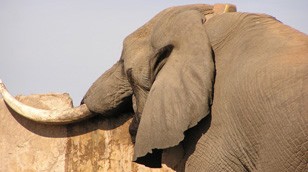
06 May 2008Mac the African Elephant is on the move. Michelle Henley has the latest from southern Africa and Brett speaks with Iain Douglas Hamilton, founder of Save The Elephants. For many years now we’ve been hearing from conservation organisations that the Dawn Chorus is getting thinner and that some of the key players aren’t bothering to turn up. When did you last hear a cuckoo for example? Philippa and Brett speak to Graham Madge of the RSPB to rate this year's Dawn Chorus.

Programme 13
13 May 2008Our major themes this week are Iceland, geese and energetics. For the first time, we are analysing the fuel consumption of Brent geese and Greenland White-fronted Geese as they make one of the most challenging migrations of the animal kingdom: overcoming the mile and a half high icecap that stand between them and their summering sites in Greenland and Arctic Canada. Ospreys feed on protein-rich fish, which allows them to migrate such vast distances but how do these geese record comparable distances on a diet of just grass? Brett is in Iceland to find out.
Programme 14
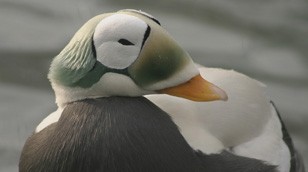
20 May 2008After numbers fell to just 200 pairs, the Sociable Lapwing was graded "critically endangered". Phillippa speaks to our reporter in Kazakhstan, who is with Paul Donald of the RSPB and local scientist Maxim Koshkin to locate the only satellite tagged Sociable Lapwing in the world. Earlier in the year, a female Atlantic Salmon was tagged and named Wylam - has she started her colossal migration to the source of the River Tyne? Elsewhere, we hear about the Spectacled Eider, an extraordinary duck that dives down through the icy waters of the Bering Sea to find food.
Programme 15
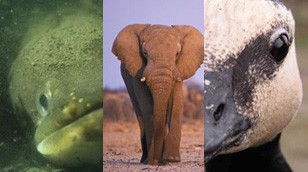
27 May 2008WOTM have migrated to the Hay-on-Wye Festival for a special one-off edition. To answer questions from our online and festival audience, Philippa is joined by a roster of migrations gurus. Eels are a migration mystery but we can find out how Julian Metcalfe is hoping to tag eels and follow them through the Atlantic. Michelle Henley has some new information on Mac's mating habits and Professor Colin Pennycuick is on hand to tell us how the Barnacle Geese are faring in our Top Goose project.
Programme 16
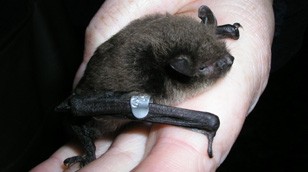
03 Jun 2008Basking Sharks are the world's second largest fish, at 30 foot or 9 metres long, and new information about their migratory patterns is slowly emerging. We also find out how we can track Daubenton's Bats in unprecedented detail from our batman and Brett hears how Monarch caterpillars are being affected by herbicides. Finally, Philippa gets to grips with Top Goose - the Brent Geese have left Iceland and have tackled the Greenland ice cap. How did they fare though?
Programme 17
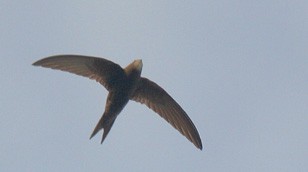
10 Jun 2008Swifts, known as Devil Birds due to their distinctive screaming cries, spend their entire lives on the wing: they hunt, feed and even mate in the air. In this programme, we hear how Swifts are uniquely designed to perform such remarkable feats of endurance. The mass Toad migration has ended. Philippa catches up with those that went out on Toad Patrol and analyses the hundreds of sightings of Toads that you have submitted to the WOTM website over the last couple of months.
Programme 18
17 Jun 2008WOTM are getting into gardens. Brett goes to the National Trust's Hidcote Manor to track down some of the many migrants that are attracted to Britain's gardens whilst Philippa goes in search of nesting House Martins. Over the summer our gardens and parks act as international service stations for birds, butterflies, moths and other migrants. It's a place where they can feed and fuel up between destinations as far apart as Africa and Iceland. Finally, we report on the news that Crossbills are being spotted in unusual places.
Programme 19
24 Jun 2008It's Midsummer and we're at something of a turning point in the natural world. Following the launch of our Gardenwatch, House Martin and Garden Moth surveys last week, Philippa and Brett discuss some of your sightings. John Altringham is down in the cemetery with the Daubenton's Bats, we take another look at Cuckoos and we have a special report from Delaware Bay in Washington State, US where Red Knots have been feasting on Horseshoe Crabs.
Programme 20
01 Jul 2008From the gardens of Great Britain to the Okavango Delta of Botswana, there is a wealth of animal life on the move. Brett is on the south coast looking for Painted Lady Butterflies and Humming-bird Hawk-moths whilst Philippa speaks to Peter Bassett, who has been filming the mix of animals that migrate through the Okavango Delta. Wildlife gardner and environmentalist Chris Baines is also in his garden to give us his top tips for creating a garden that will attract many of the migrants featured in our Gardenwatch survey.
Programme 21
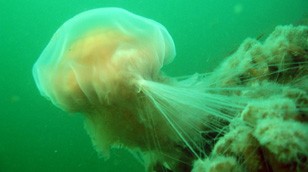
08 Jul 2008Jellyfish tagging is another first for us at WOTM but it should reveal how Jellyfish migrate together to specific bays and hopefully why. Brett and Philippa analyse our findings from Top Goose - we reveal how each goose made it over the Greenland ice cap to their breeding sites at the top of the world. There is also news on the reintroduction of the Corncrake. For the last century the Corncrake has been declining in population to the point where you had to go to Scotland's Western Isles to find them - until now that is.
Programme 22
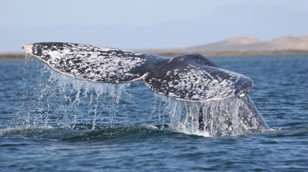
15 Jul 2008The first of three reports from Grant Sonnex in Alaska, following the last great Salmon run. Sockeye Salmon begin their migration in Bristol Bay, where they must dodge fishermen’s nets to reach the freshwater rivers where they spawn. Elsewhere, Philippa reviews this year's northward Gray Whale migration. They left their Mexican nursing lagoons in spring and have now reached their summer feeding grounds off the coast of Alaska but climate change seems to be affecting calf production.
Programme 23
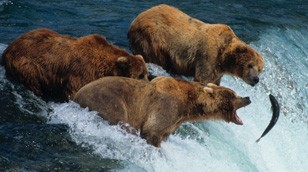
22 Jul 2008Our reporter in Alaska, Grant Sonnex, has followed the Sockeye Salmon upstream where he finds Brown Bears are ready and waiting to gorge on the bounty of fish that migrate up the Wood River system. Basking Sharks are as long as a bus, weigh as much as two elephants and have been spotted off the Isle of Man. We find out what draws them to British waters. Finally, we take a look at the migration of Damselflies and Dragonflies.
Programme 24
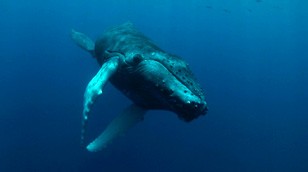
29 Jul 2008Humpback Whales migrate thousands of miles to their feeding grounds each summer. Our reporter, Joe Stevens, has returned from Alaska where he witnessed Humpbacks bubble netting. Having avoided the fishermen's nets and predators such as Brown Bears, Alaska's Salmon are now reaching the end of their annual migration. Finally, the Bar-tailed Godwits, have come to the end of their breeding season and are now feeding up for the 12,000 km non-stop flight from Alaska to New Zealand.
Programme 25
02 Sep 2008Logie is missing! Over the summer, Logie had two chicks and two weeks ago she started the return leg of her annual migration. Unfortunately, we are no longer receiving her coordinates. Where is she Roy Dennis? Butterflies also seem to be scarce this summer but you should see Aquatic Warblers over the coming months. Finally, our reporter heads to the Tyne to get the latest on the Salmon migration.
Programme 26
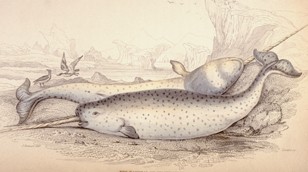
09 Sep 2008Narwhals are fantastic but elusive creatures. Their spiralled tusk gave rise to the legend of the unicorn but as our reporter found out, the Narwhal is almost as difficult to track down. Tragedy strikes the Osprey migration again - Logie's chick Moray has not made it. Roy Dennis has the details. Finally, the Monarch Butterfly's relay-race migration continues - they should be preparing to migrate back south through the US now.
Programme 27
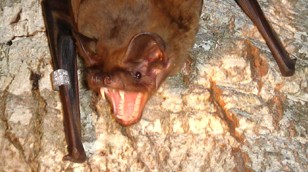
16 Sep 2008The Greater Noctule Bat is Europe's largest Bat and has an unusual appetite for migrating songbirds. Many migrants fly at night to avoid predators but even in the dark they aren't safe. After a bout of warm weather you should find Moths in your garden and green space. Can you spot the unusual Old World Webworm, as Brett did this week? Also, Swallows are beginning to return to Africa but what do they mean to you?
Programme 28
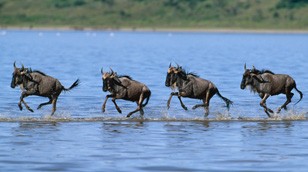
23 Sep 2008The rain has been pouring in Kenya, which means a host of wildlife will be migrating to the Masai Mara reserve. Big Cat Live's Simon King reports on Zebra, Wildebeest and Antelope. Jason Chapman explains how Moths travel those vast distances between southern Europe and the UK, we hear the results of our House Martin survey and Roy Dennis is in the studio with the latest on the Osprey story.
Programme 29
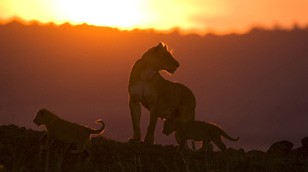
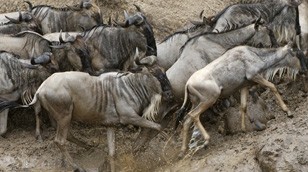
30 Sep 2008The instances of Lions attacking people is on the increase. We hear from Big Cat Live's Jonathan Scott on the spectacle of migrating Wildebeest and the conflict between Man and Lion. Arctic Terns are the world champions of migration - they migrate between the North and South Pole - a 24,000 mile/38,500 km round trip. Nimrod the Osprey has started his southward migration - find out where he is right now on our interactive map.
Programme 30
07 Oct 2008From the plains of Africa and the great movement of Wildebeest, to the plains of Lancashire and tens of thousands of Pink-footed Geese. As it's our last week with Big Cat Live from the Masai Mara, we've got Simon King to summarise this year's Wildebeest migration. Brett on the other hand is live from Martin Mere in Lancashire. He's gone up to the wetland reserve to witness one of the UK's most spectacular migration events - thousands of Pink-footed geese arriving here for the winter.
Programme 31
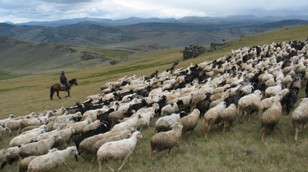
14 Oct 2008Transhumance is the movement of man - over the course of a week Bulgarian shepherds move their livestock down from the mountains to new pastures in the lowlands. Tessa McGregor reports from somewhere along the migration. Elsewhere, Brett tries to uncover some of the mysteries of the Eel's migration, we have an update on our tagged Salmon in the River Tyne and Nimrod the Osprey has reached Africa.
Programme 32
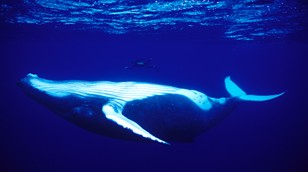
21 Oct 2008Yves Lefevre has been as close to a migrating Humpback Whale as you can get. We find out what it's like to swim with Humpbacks. Last week saw an unprecedented invasion of American songbirds - how did they get here? Tessa McGregor returns from the transhumance - a week long movement of shepherds and their livestock through Bulgaria.
Programme 33
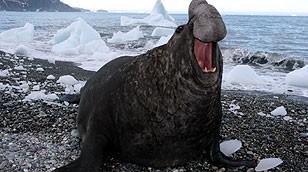
28 Oct 2008Chadden Hunter has just returned from filming Elephant Seals in South Georgia. He reports on one individual that replicated the journey made by Ernest Shackleton nearly a century earlier. Lionel Kellaway reports on Red Admirals in Lulworth, Chris Sperring reports on Whooper Swans and we hear about Gulls that are refusing to migrate.
Programme 34
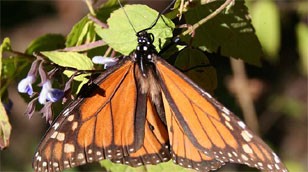
04 Nov 2008Brett Westwood reports live from Norfolk on the Bewick's Swans just arriving from Russia and Philippa looks at the difficulty of conserving migratory species. On the east African coast Green Turtles are hatching and thus beginning their migrations but they have to survive the fishermen's nets first. Finally, the mass migration of Monarch Butterflies through North America is coming to an end as they return to Mexico.
Programme 35
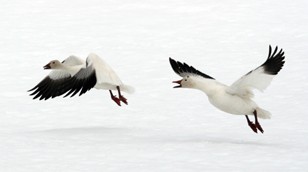
11 Nov 2008Snow Geese are now returning to Mexico from their breeding grounds on the tundra of Arctic Canada. There's fascinating news of an Atlantic Salmon that has progressed to the upper reaches of the river Rhine and we delve into the mysteries of night migration.
Programme 36
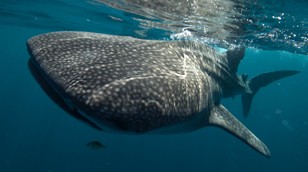
18 Nov 2008Whale Sharks are the largest fish in the ocean but in spite of their size they remain undetected for most of the year. We speak to a shark biologist who has spent the last year chasing these massive fish. Curlews have made it to our shores but what state is the population in? If you have seen them in your area then please let us know about them.
Programme 37
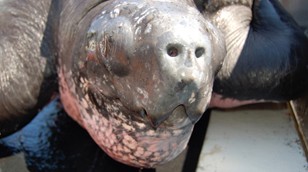
25 Nov 2008Leatherback Turtles can grow to the size of a small car and we are following one female named Talulah on her migration down the Eastern seaboard of the US. We're on the ground with Operation Migration, a unique project that is using small aircraft to "teach" Whooping Cranes how to migrate. There's also a report on the mysterious Giant Atlantic Bluefin Tuna.
Programme 38
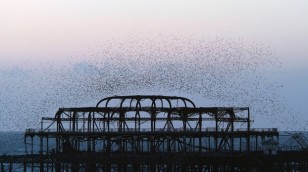
02 Dec 2008At this time of year vast numbers of starlings gather just before sunset, forming extraordinary dark shapes in the sky. Paul Evans our resident writer describes the breathtaking sight. There's also a report on ongoing threats to wandering albatross from tuna fishing long lining.
Programme 39
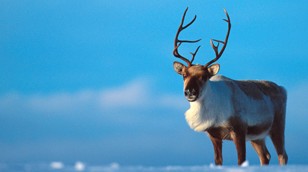
09 Dec 2008We're off to Arctic Sweden to meet a herdswoman from the Sami people who are radio tracking Reindeer to help them monitor their migration. We have a report from Galway, Ireland as adult eels make the second journey of their life as they head back to the Sargasso sea to spawn.
Programme 40
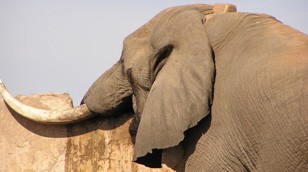
16 Dec 2008Our series on animal migration comes to a close as we take a look back at some of the many migrants we have followed including Mac the Elephant, Nimrod and Logie the Ospreys, the Gray Whales and the Monarch Butterflies. We'll also be looking at the history of migration with author Tim Birkhead.
