BBC HomeExplore the BBC
This page has been archived and is no longer updated. Find out more about page archiving.


Accessibility help
Text only
BBC Homepage
BBC Radio
Woman's Hour - Weekdays 10-11am, Saturdays 4-5pm
Listen online to Radio 4


Contact Us

Like this page?
Send it to a friend!

History
Emily Winterburn22 Oct 2008
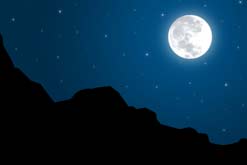
The Night sky with moon and stars - photo by Andreia on Flickr
The stargazer talks about how to read the night sky.

Today we tend to think of the night sky as something beautiful to look at or perhaps something to be explored. Yet historically the night sky has had more specific uses - creating and regulating calendars and timepieces, and for navigation.
Stargazing has always attracted a lot of women, though they haven’t always received much credit ... until relatively recently. Emily Winterburn, formerly Curator of Astronomy at the Royal Observatory in Greenwich, joins Jane to discuss what sparked her love of stargazing. She also has some tips on how to read the night sky, ready for the Leonid meteor showers which are due to be seen in the night sky in November. 

‘The Stargazer’s Guide’ by Emily Winterburn is published by Constable - ISBN: 978-1-84529-724-4


The Royal Observatory
Astronomy 2009

Disclaimer
The BBC is not responsible for the content of external websites.
More items in the History + Science Archive
Listen
Listen now to the latest Woman's Hour
Listen Now
Latest programme
Listen again to previous programmes
Listen Again
Previous programmes

Retired? Downsizing? Moving home to be nearer the kids?

We'd like to hear your stories about moving house

Image: Find out how more about the Woman's Hour podcast
Podcast
More about Woman's Hour podcasts
News image


About the BBC | Help | Terms of Use | Privacy & Cookies Policy