 |  | |
 Michael Howard's Pledges Michael Howard's Pledges
What needs to be done to increase the British population's participation in politics? That's the question being tackled by the Power Inquiry.
| 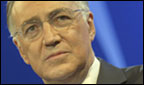 | | |
Michael Howard shares his views on politics and democracy.
| | | | | | USEFUL LINKS | | | | | |
The Power Inquiry
The BBC is not responsible for the content of external websites
| | | | | | | |
Tory leader Michael Howard became the first of the party leaders to be questioned by the inquiry. For him, it all comes down to making politics more accountable.
Below is a summary of the Conservative Party's pledges that they believe will result in a more democratic Britain.
________________________________
No to proportional representation: he believes every system is a balance between fairness and effective government. But the most perfectly proportional system is Israel and extremist parties have disproportionate influence and can lead to eternal coalition (with the same old faces always running the place). He says our system is much more clear cut. "I'm speaking as the leader of a party that suffers from the system we have."
No to compulsory voting: if people don't want to come along and take part by voting, "we as politicians have failed. The failure is ours."
Yes to a largely elected House of Lords: but it's NOT a priority.
There should be a televised leaders' debate as part of any general election campaign.
Introduce a Civil Service Act: protecting the impartiality of our civil service. Remove the power of some special advisers to instruct civil servants.
Cut the number of MPs, ministers and special advisers.
English votes for English laws: Scottish MPs would not be able to vote on laws that apply solely to England.
Directly elected police commissioners: they'd replace police authorities.
'No' to elected judges.
He's not ideologically opposed to referendums: but people's appetite for voting is limited. People prefer to vote for politicians and let them get on with it. If that changed he would reconsider.
He's not very keen on citizens' panels ("deliberative" democracy): unless everyone votes it's hard to be sure that you get a representative judgement and result. He'd prefer to build on the select committee system, where the people deliberating are directly elected.
Not in favour of state funding for political parties: he doubts taxpayers would like their money spent that way.
Visit the Power Inquiry's website to find out more about its investigation into the state of British political involvement.
 Back to Reports Homepage Back to Reports Homepage
| | | | |
| | | | | |
 | |
| |
|