| | | | | | | | | |

| | | THE MATERIAL WORLD
|  | |  | MISSED A PROGRAMME?
Go to the Listen Again page | | | | | | | PROGRAMME INFO | | | |
| | | Quentin Cooper reports on developments across the sciences. Each week scientists describe their work, conveying the excitement they feel for their research projects.
| | | | | | Contact Material World | | | | | LISTEN AGAIN 30 min 30 min | | | |
|
|
|  | PRESENTER | | | |
| 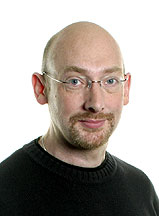 | | | | "For me science isn't a subject, it's a perspective. There are fascinating scientific aspects to everything from ancient history to the latest gadgets, outer space to interior decorating; and each week on The Material World we try to reflect the excitement, ideas, uncertainties, collisions and collaborations as science continues its never-ending voyage into the unknown".
Quentin Cooper | | | |
| | | | | | PROGRAMME DETAILS | | | |
| 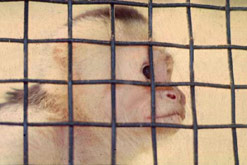 | | |
Wildlife Forensics
The National Criminal DNA Database contains three million samples from suspects and convicted criminals and 250,000 crime-scene samples and each week more than 300 crime samples are matched to a suspect and entered.
Increasingly the techniques used in DNA forensics are now being applied to wild animals and endangered species as well as to humans.
Wildlife crime, which includes the trafficking of endangered species as well as offences such as bird poisoning and badger baiting, is a growing problem.
This week, Quentin Cooper is joined by Rob Ogden, project director of Wildlife DNA Services, and Dr Adrian Linacre, senior lecturer in Forensic Science at Strathclyde University, to discuss how DNA is helping to tackle wildlife crime.
Biodegradeable Products
With mobile phones virtually ubiquitous in modern society and new models being released constantly, the huge amount of waste created by mobiles is a burgeoning issue.
Every hour 1712 mobile phones are upgraded in the UK alone.
In an effort to combat the problem, a team from Warwick University and packaging company PVAXX have created a biodegradable phone cover which can be buried once the phone becomes obsolete.
Dr Kerry Kirwan of the Warwick Manufacturing Group at University of Warwick, and Peter Morris, R & D Director at PVAXX, tell Quentin about the phone cover, and discuss the wider the need for biodegradable electronics. | | |
RELATED LINKS
Wildlife DNA Services
University of Strathclyde: Dr Adrian Linacre
PVAXX
Warwick Manufacturing Group: 'WMG Team Has Solution for "Dead Ringers"'
Science Museum: Dead Ringers
BBC Radio 4 Science Programmes
BBC Science & Nature
The BBC is not responsible for the content of external websites
| |
| | |
|