Shared Earth is a new series from the BBC Natural History Unit which celebrates the natural world and explores what we can all do to help conserve wildlife and habitats and reduce our footprint on the planet
Contact us
We're keen to hear your suggestions for future programmes via our Contact Us page or write to Shared Earth, BBC NHU Radio, Bristol BS8 2LR
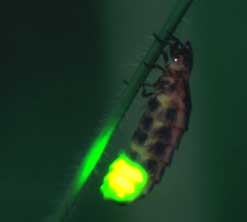
Glow Worms Glow worms are not worms but beetles. The female, who does the glowing, resembles a short fat worm but the male looks more like a proper beetle and flies. June and July are the best times to see glow worms. More information about glow worms can be found on John Tyler's website and details of organised glow worm walks on the UK Glow Worm Survey website
National Whale and Dolphin Watching Week Saturday 30th June and Sunday 1st July are the last two days when organised watches are taking place around the country. More details can be found here on the Sea Watch Foundation's website
Dormice More information about the Dormice on Your Doorstep project can be found here. One of the local groups involved in the project is the Gloucestershire Wildlife Trust who have dormice in some of their reserves.
Cirl Bunting update A cirl bunting population was re-introduced to Cornwall last year as part of a project between the RSPB, Paignton Zoo, Natural England and the National Trust. 70 chicks taken from an exisiting population in Devon were hand-reared and released last summer with the hope that they would start breeding this year. The RSPB now have confirmed sightings of nesting and breeding activity and they hope to soon see the first fledged cirl bunting chicks. Another release of young birds brought from Devon will take place again this summer. More details can be found here.