| | | | | | | | | |

| | | THE LIVING WORLD
|  | |  | MISSED A PROGRAMME?
Go to the Listen Again page | | | | | | | PROGRAMME INFO | | | |
| | | The Living World is a gentle weekend natural history programme, which aims to broadcast the best, most intimate encounters with British wildlife.
nhuradio@bbc.co.uk | | | | | LISTEN AGAIN 25min 25min | | | |
|
|
|  | PRESENTER | | | |
| 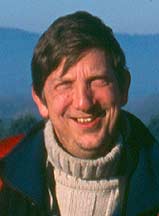 | | | | "The Living World is the next best thing to being there. Our contributors are skilled naturalists who are able to reveal those fascinating facts about animals and plants that you don't always find in books. It's like having a personal guided tour of the countryside, without needing to leave the house."
Brett Westwood | | |
| | | | | | PROGRAMME DETAILS | | | |
|  | | |
Hoverflies
Like their name suggests, hoverflies are flies that hover. They hold themselves motionless in the air like a hummingbird with their rapidly moving wings just a blur to the eye. There are about 250 different species of hoverfly in Britain.
The colouration seen on some species of hoverflies has lead to them gaining a bad press. This summer, swarms of marmalade hoverflies seen on the south coast were mistaken for wasps with their distinctive yellow and black bodies. But unlike wasps, hoverflies are harmless as they have no sting. Like other brightly coloured insects, some types of hoverfly have adopted this warning colouration as it helps protect them from being attacked by predators.
In addition to being people-friendly, hoverflies are also the gardener's friend - the adults are good pollinators of flowers and some of their larvae will feed on greenfly on plants and crops.
| | |
RELATED LINKS
The Dipterists Forum
The BBC is not responsible for the content of external websites
| |
| | |
|