| | | | | | | | | |

| | | THE LIVING WORLD
|  | |  | MISSED A PROGRAMME?
Go to the Listen Again page | | | | | | | PROGRAMME INFO | | | |
| | | The Living World is a gentle weekend natural history programme, which aims to broadcast the best, most intimate encounters with British wildlife.
[email protected] | | | | | LISTEN AGAIN 25min 25min | | | |
|
|
|  | PRESENTER | | | |
| 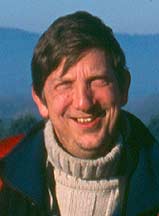 | | | | "The Living World is the next best thing to being there. Our contributors are skilled naturalists who are able to reveal those fascinating facts about animals and plants that you don't always find in books. It's like having a personal guided tour of the countryside, without needing to leave the house."
Brett Westwood | | |
| | | | | | PROGRAMME DETAILS | | | |
| 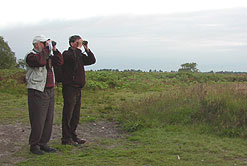 | | | Looking for nightjars on Cannock Chase |
Nightjars
If you venture out at dusk onto heathland or open woodland, you might just hear one of our more interesting summer visitors before it heads back to Africa for the winter.
The European Nightjar arrives in Britain in April to breed and uses the bare ground to be found on scrubby heathland areas of commons, heaths and recently cleared forestry plantations on which to lay its eggs. Its mottled brown plumage acts as excellent camouflage.
As the nightjar is only active at night, it can be difficult to spot this dove-sized bird in the fading light apart from its distinctive flight as the sound of its sound of its call. The males make an unmistakable "churring" - a building and then fading vibrating sound which sometimes seems more like a machine than a bird.
Brett Westwood goes out at dusk onto Cannock Chase in Staffordshire with local nightjar expert, Bevan Craddock to find out more and gets a tantalising sight and sound of this fascinating bird. | | |
RELATED LINKS
BBC Science & Nature
The BBC is not responsible for the content of external websites
| |
| | |
|