| | | | | | | | | |

| | | THE LIVING WORLD
|  | |  | MISSED A PROGRAMME?
Go to the Listen Again page | | | | | | | PROGRAMME INFO | | | |
| | | The Living World is a gentle weekend natural history programme, which aims to broadcast the best, most intimate encounters with British wildlife.
[email protected] | | | | | LISTEN AGAIN 25min 25min | | | |
|
|
| | PRESENTER | | | |
|  | | | | "The Living World is the next best thing to being there. Our contributors are skilled naturalists who are able to reveal those fascinating facts about animals and plants that you don't always find in books. It's like having a personal guided tour of the countryside, without needing to leave the house."
Brett Westwood | | |
| | | | | | PROGRAMME DETAILS | | | |
| 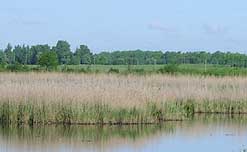 | | | Is there a bittern in the reeds? |
Booming Bitterns
If you go down to certain reedbeds on the Suffolk coast in the evening or early morning you may be in for a big surprise. Across the still air, a strange sound may resonate towards you - it's the extraordinary "boom" of the male bittern. This territorial call, which is also used to attract females, is the lowest-pitched and most far-carrying sound produced by any European bird.
Bitterns are small herons which you are more likely to hear than see. Their pale brown colouring helps them to blend into the surrounding reeds and when startled they will freeze in an upright stance.
From late January onwards, the male bitterns begin to set up their territories. They start to gear up for their booming as it takes effort and energy to produce a good boom - one requirement being strong muscles in the bird's throat. It's almost like a set of bagpipes starting up as first you hear a gasp of air, and then the booming begins.
The reedbed habitat is vital for bitterns and with reedbeds and marshy areas being lost due to drainage, bittern numbers have suffered a serious decline. The bittern went extinct in this country in 1885 but having returned to Norfolk in 1900 the birds have struggled to reach very healthy numbers. However, the efforts of conservationists in restoring and managing reedbeds over recent years is helping the bitterns to recover.
| | |
RELATED LINKS
Bitterns background facts
Reedbeds for bitterns project
The BBC is not responsible for the content of external websites
| |
| | |
|