| | | | | | | | | |

| | | THE LIVING WORLD
|  | |  | MISSED A PROGRAMME?
Go to the Listen Again page | | | | | | | PROGRAMME INFO | | | |
| | | The Living World is a gentle weekend natural history programme, which aims to broadcast the best, most intimate encounters with British wildlife.
[email protected] | | | | | LISTEN AGAIN 25min 25min | | | |
|
|
| | PRESENTER | | | |
|  | | | | "The Living World is the next best thing to being there. Our contributors are skilled naturalists who are able to reveal those fascinating facts about animals and plants that you don't always find in books. It's like having a personal guided tour of the countryside, without needing to leave the house."
Brett Westwood | | |
| | | | | | PROGRAMME DETAILS | | | |
| 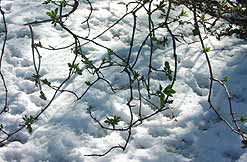 | | | Tree buds in winter |
The Stirring Trees
Sticky horse chestnut buds and the furry pussy willow are childhood memories from the school nature table. They may be fascinating to us, but buds are vitally important for trees. Superbly designed, these intricate packages help ensure that the new growth of leaves survive the winter without suffering from frost or insect damage.
The leaves will have formed in the late autumn and sit beautifully folded within the bud waiting for warming temperatures and longer daylength which are the signals for them to emerge. Some trees, like hawthorn and beech, also release chemicals which ensure the leaves emerge in the Spring as these chemicals get gradually broken down by the low temperatures of winter.
The intricate folding of the hornbeam's leaves within its buds have even been studied by scientists to find out how to fold and squeeze things into small packages without damaging them. | | |
RELATED LINKS
Burgeoning Beginnings article
BBCi Nature: Trees in Winter
The BBC is not responsible for the content of external websites
| |
| | |
|