| | | | | | | | | |

| | | LEADING EDGE
|  | |  | MISSED A PROGRAMME?
Go to the Listen Again page | | | | | | | PROGRAMME INFO | | | |
| | | Leading Edge brings you the latest news from the world of science. Geoff Watts celebrates discoveries as soon as they're being talked about - on the internet, in coffee rooms and bars; often before they're published in journals. And he gets to grips with not just the science, but with the controversies and conversation that surround it.
radioscience@bbc.co.uk | | | | | LISTEN AGAIN 30 min 30 min | | | |
|
|
| | PRESENTER | | | |
|  | | | | "If what interests you are new and exciting ideas, it's science you should be turning to. And whether it's the Human Genome Project or the origins of the Universe, Leading Edge is the place to hear about them."
Geoff Watts | | |
| | | | | | PROGRAMME DETAILS | | | |
| 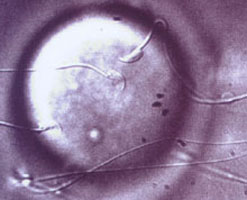 | | |
Men can’t help acting on impulse, according to the perfume advert, but neither perhaps can their sperm. Geoff Watts will be looking into the suggestion that sperm literally smell their way towards their target, the unfertilized egg. If true, it could help improve fertility treatment, and also lead to new forms of contraception that don’t use the hormones found in today’s contraceptive pills.
Also in the programme, the physics of the Earth’s core beneath our feet and how it protects us from cosmic radiation from above our heads. And could it all go wrong, as the latest Hollywood blockbuster suggests?
| | |
RELATED LINKS
BBCi Science
The BBC is not responsible for the content of external websites
| |
| | |
|