| | | | | | | | | |

| | | FRONTIERS
|  | |  | MISSED A PROGRAMME?
Go to the Listen Again page | | | | | | | PROGRAMME INFO | | | |
| | | Frontiers explores new ideas in science, meeting the researchers who see the world through fresh eyes and challenge existing theories - as well as hearing from their critics. Many such developments create new ethical and moral questions and Frontiers is not afraid to consider these.
| | | | | | Contact Frontiers | | | | | LISTEN AGAIN 30 min 30 min | | | |
|
|
|  | | | | |
| | |
| | | | | | PROGRAMME DETAILS | | | |
| 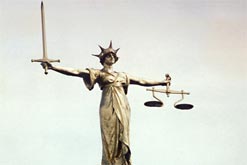 | | |
Are we giving science a fair hearing in the courtroom?
There’s no doubt that scientific techniques like DNA profiling, microscopic textiles analysis and even shoeprints can be incredibly powerful tools. But could the public’s misunderstanding of the very nature of scientific evidence be perverting the course of justice?
It’s too easy perhaps to be seduced by the apparent ability of scientific techniques to deliver definitive answers. How far is scientific evidence a matter of cool, incontrovertible fact and how far a matter of professional opinion?
Peter Evans is joined by four people who care deeply about the way science is represented and sometimes misrepresented in the courts: Helena Kennedy QC; Director of LGC Forensics Angela Gallop; Lecturer in Law at Leeds University Dr Carole McCartney and Chief Constable Tony Lake.
| | |
RELATED LINKS
Recent Nuffield report on the use of forensic information in the courts
Royal Commission on Criminal Justice report on forensic evidence
Why defence lawyers should have access to independent scientific expertise
BBCi Science
The BBC is not responsible for the content of external websites
| |
| | |
|