| | | | | | | | | |

| | | BUILDING A HEALTHIER BRITAIN
|  | |  | MISSED A PROGRAMME?
Go to the Listen Again page | | | | | Richard Hannaford examines the research behind medical advice. | | | |
| |
Since the 1950s doctors have continuously researched people's health and lifestyle. Richard Hannaford examines the results of these epidemiological studies: some have given simple answers and saved hundreds of thousands of lives, while the results of others are confusing and highly controversial.
| | |  | | | Richard Hannaford |
1. Heart Disease
There was a time when people thought that heart disease was an inevitable part of ageing.
Now, thanks to the Seven Countries Study, which started in the 1950s, we know that diet and exercise play a crucial part in reducing the risk of heart attack.
This study launched a project in Finland that managed to reduce cholesterol levels by 82%, but doctors have had difficulty in replicating this in the UK.
 Listen again to Programme 1 Listen again to Programme 1 | |  | | |
2. Cot Death
It has been estimated that a simple piece of advice has saved the lives of between 100,000-200,000 babies worldwide.
Cot death or sudden infant death is the unexpected death of a baby from unknown causes.
Currently about 350 babies a year in the U.K. die - but in the late 1980s the figure was four times that - so what changed and how? Can cot death ever be eradicated?
Listen again to Programme 2 | | 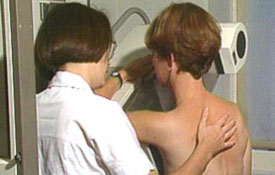 | | |
3. Breast Cancer
There are a few definite things we can say about breast cancer: 5% of cases are due to hereditary gene problems; breastfeeding and childbirth protect against breast cancer and Hormone Replacement Therapy can produce an adverse risk.
Most of the information we know has come from epidemiological studies like the Million Women's Study and the Women's Health Initiative.
What more can these studies tell us and what else do we need to find out in order to curb the numbers affected with breast cancer in the UK?
Listen again to Programme 3 | |  | | (l-r) John Cleese, Ronnie Barker and Ronnie Corbett
demonstrate the British class system |
4. Social Status
New research suggests higher status at work leads to longer life expectancy.
Some researchers say this is a simple link between health and poverty.
However, Professor Sir Michael Marmot, who carried out the Whitehall I and II studies into work, stress and health says its because the lower you are in the hierachy, the more stressful your life is.
Listen again to Programme 4 | | |
RELATED LINKS | | | British Heart Foundation
University of Minnesota: Seven Countries Study
BBC Health: Heart Disease
The Foundation for the Study of Infant Deaths
International Journal of Epidemiology: Infant sleeping position and sudden infant death syndrome (pdf)
BBC Health: Cot Death
Breast Cancer Care
The Million Women Study
The Women's Health Initiative
BBC Health: Breast Cancer
UCL: The Whitehall II Study
BBC Health
The BBC is not responsible for the content of external websites
| | |
| | |
|