| | | THE LATEST PROGRAMME | | | |
| | | | | 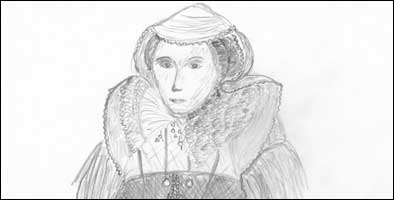 | | |
Mary Tudor and the Counter-Reformation
In 1554, the kingdoms of England and Spain were united by a dynastic wedding ceremony. Mary Tudor, daughter of Henry VIII and Catherine of Aragon, married Philip of Spain with incredible pomp and ceremony at Winchester Cathedral. Not only did the wedding reaffirm her own Spanish blood, but her determination to bring England back into the fold of Catholicism.
Her intention was to undo the work of her father who'd made the break with Rome and the Vatican in 1538 when he created the Church of England, and dissolved the monastries.
In fact, Mary died in 1558, having been on the throne for only four years, and was succeeded by her younger step-sister, Elizabeth I, who restored the Church of England.
Mary Tudor experienced what is said to have been a phantom pregnancy. But what if she'd had a child, a son who would have come to the throne, and continued his mother's work? It's very likely that he would have consolidated the Counter-Reformation, continuing her oppression of Protestants, an act that won her the name of Bloody Mary.
Relations with Spain would have been entirely different, and therefore the balance of power across Europe as a whole would have been changed utterly.
There would almost certainly have been no Spanish Armada. Speaking to renowned historians of the Tudor period, such as Professor John Morrill, Chris Andrew imagines English history taking a completely different course.
| | |
| | |






 to the 28 March 2002 programme