
Missa solemnis
Thursday 10/4/25, 7.30pm
Llandaff Cathedral, Cardiff
Friday 11/4/25, 7.30pm
Brangwyn Hall, Swansea


Ludwig van Beethoven
Missa solemnis 81’
There will be no interval
Andrew Manze conductor
Carolyn Sampson soprano
Sophie Harmsen mezzo-soprano
Ed Lyon tenor
Darren Jeffery bass-baritone
BBC National Chorus of Wales


The concert in Cardiff is being broadcast live by BBC Radio 3 in Radio 3 in Concert; it will be available for 30 days after broadcast via BBC Sounds, where you can also find podcasts and music mixes.
Introduction

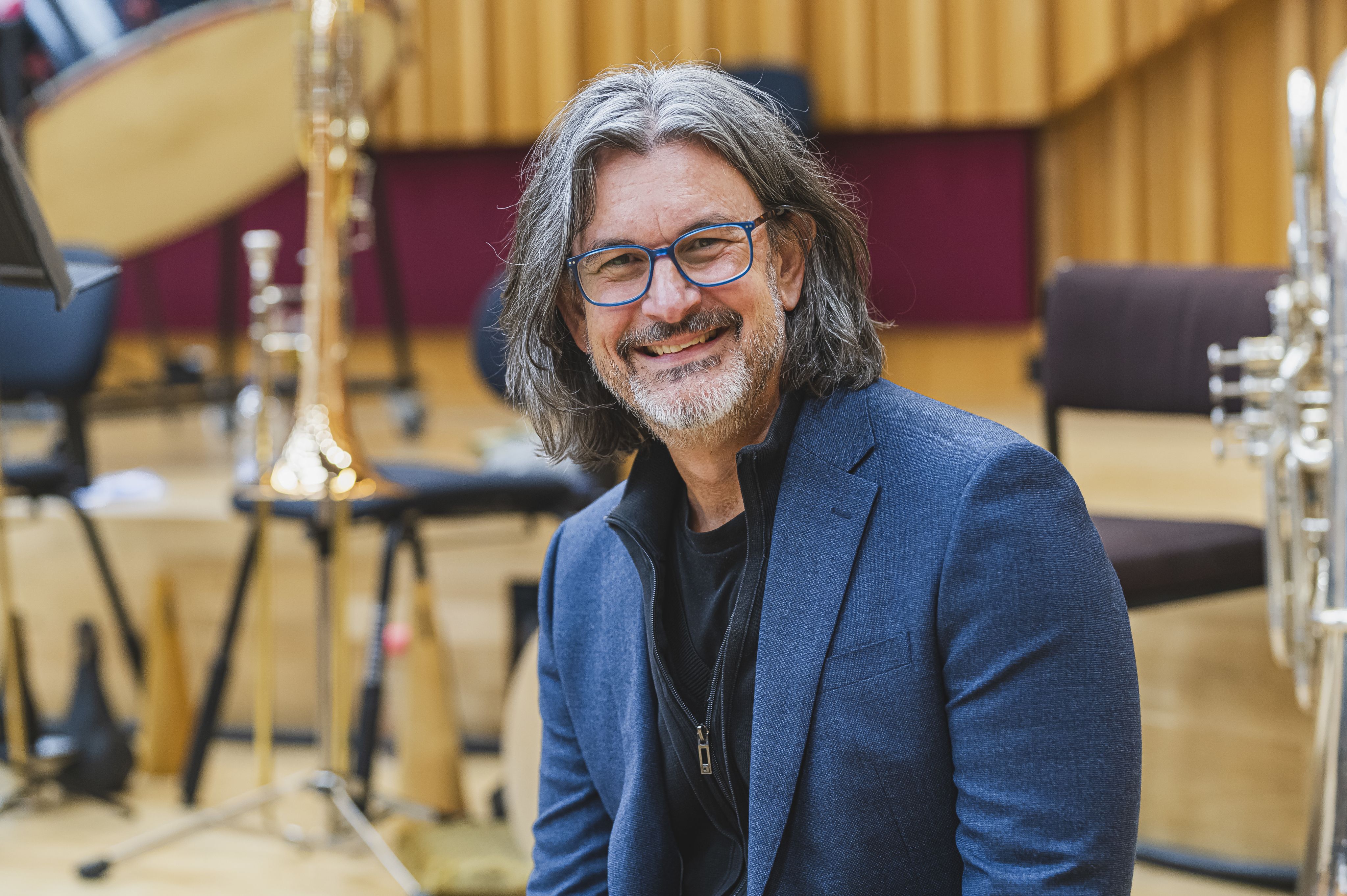
Photo: Kirsten McTernan
Photo: Kirsten McTernan
Welcome to tonight’s concert, for which we’re delighted to have Andrew Manze conducting one of the greatest edifices in classical music: Beethoven’s mighty Missa solemnis.
It was a work over which the composer, now profoundly deaf, laboured for several years, finally completing it in 1823, with the first performance a year later. It stands alongside the great Passions of J. S. Bach as a pinnacle among devotional works and in each of the Mass movements Beethoven conjures a different mood, by turns questioning, supplicatory and affirmative.
Joining Andrew Manze and BBC NOW on stage are the massed voices of BBC National Chorus of Wales and four distinguished soloists: Carolyn Sampson, Sophie Harmsen, Ed Lyon and Darren Jeffery.
Enjoy!
Matthew Wood
Head of Artistic Planning and Production
Please respect your fellow audience members and those listening at home: mobile phones may be kept on but on silent and with the brightness turned down; other electronic devices should be switched off during the performance. Photography and recording are not permitted.
Ludwig van Beethoven (1770–1827)
Missa solemnis(1819–23)

1 Kyrie
2 Gloria
3 Credo
4 Sanctus
5 Agnus Dei
‘From the heart – may it go again – to the heart’, wrote Beethoven on the title page of his ‘Solemn Mass’. That he chose to inscribe these words on this titanic, yet also strangely enigmatic setting of the Latin Mass has to be significant. Though he was raised a Roman Catholic, Beethoven was no unquestioning orthodox believer. He was also clearly impressed by the religious universalism of the Freemasons, the transcendent idealism of Plato, and even in later years by the Hindu Bhagavad-Gita. If he invokes God as ‘loving Father’ in his choral Ninth Symphony, there are times when he evidently struggled with that notion. Why has that ‘loving’ God inflicted him with deafness – surely the cruellest of ironies? And could there be an echo of his ambiguous attitude towards his own drunken, bullying father?
Beethoven certainly struggled with the Missa itself. He began it in 1819, for the enthronement of his loyal patron and friend, Archduke Rudolph, as Archbishop of Olmütz 1820. But when the great day came, Beethoven had only reached the Credo. It took him another three years to complete the score. The manuscript and extensive sketches bear witness to creative turmoil, and there are times when the music itself sounds like the record of an intense spiritual struggle. True, the opening Kyrie (marked ‘With devotion’) is striking more for its reverent restraint than for Herculean drama, but that only makes the eruptive opening of the Gloria all the more gripping. The chorus is now swept along in a brilliant, surging orchestral current, but at the heart of the movement comes the slower ‘Qui tollis peccata mundi’ (‘Thou that takest away the sins of the world’), where Beethoven tellingly adds personal ‘Oh’s and ‘Ah’s to the word ‘miserere’ (‘have mercy’).
The Credo then springs into life with a memory of the mighty ‘Hammerklavier’ Sonata (1817–18), also dedicated to Archduke Rudolph. At the words ‘Et incarnatus’ (‘And was incarnate’), the tempo drops and a solo flute flutters on high, magically representing the Holy Spirit hovering above Mary at Christ’s conception. Beethoven then hurtles through the next set of dogmatic assertions, with almost impatient repetitions of ‘Credo, credo’, until the fugue on the words ‘Et vitam venturi saeculi, Amen’ (‘And the life of the world to come, Amen’) reveals the heart of the matter, especially in the hushed, magical ending.
Beethoven fuses the traditional Sanctus and Benedictus sections into a single movement. The short, ‘devout’ introduction to the Sanctus is followed by joyous, dancing Bachian counterpoint, then a hushed organ-like Praeludium introduces the Benedictus, fading at the entry of high solo violin and flute, in a deliciously pure expression of ‘blessedness’.
In the final Agnus Dei the tensions that have so long troubled the Missa solemnis become powerfully explicit. After the darkly intense prayer for mercy, led by the bass-baritone soloist, the music becomes more animated at the words ‘Dona nobis pacem’ (‘Grant us peace’). But before long, threatening martial fanfares are heard, and the soloists’ prayers for peace take on an almost desperate urgency. Eventually peace does return, and yet the timpani can still be heard in the distance just before the end – the threat is not forgotten. It gives the ending of the Missa solemnis a curiously open quality. Faith and doubt co-exist. In an age of militant fundamentalism, political as well as religious, it is a timely message.
Programme note © Stephen Johnson
Missa solemnis
Text
1 Kyrie (Assai sostenuto. Mit Andacht [With devotion])
Kyrie eleison.
(Andante assai ben marcato)
Christe eleison.
(Tempo I)
Kyrie eleison.
2 Gloria (Allegro vivace)
Gloria in excelsis Deo
Et in terra pax hominibus bonae voluntatis.
Laudamus te, benedicimus te,
Adoramus te, glorificamus te.
(Meno allegro)
Gratias agimus tibi propter magnam gloriam tuam.
(Tempo I)
Domine Deus, Rex coelestis,
Deus Pater omnipotens.
Domine Fili unigenite Jesu Christe.
Domine Deus, Agnus Dei, Filius Patris.
(Larghetto)
Qui tollis peccata mundi, miserere nobis.
Qui tollis peccata mundi, suscipe deprecationem nostram.
Qui sedes ad dexteram Patris, miserere nobis.
(Allegro maestoso – Allegro, ma non troppo e ben marcato – Poco più allegro)
Quoniam tu solus sanctus,
Tu solus Dominus,
Tu solus Altissimus, Jesu Christe,
Cum Sancto Spiritu, in gloria Dei Patris.
Amen.
(Presto)
Gloria in excelsis Deo.
3 Credo (Allegro ma non troppo)
Credo in unum Deum,
Patrem omnipotentem,
Factorem coeli et terrae,
Visibilium omnium et invisibilium.
Credo in unum Dominum Jesum Christum,
Filium Dei unigenitum.
Et ex Patre natum ante omnia saecula.
Deum de Deo, lumen de lumine,
Deum verum de Deo vero.
Genitum, non factum,
Consubstantialem Patri,
Per quem omnia facta sunt,
Qui propter nos homines
Et propter nostram salutem
Descendit de coelis.
(Adagio)
Et incarnatus est de Spiritu Sancto ex Maria virgine;
(Andante)
Et homo factus est.
(Adagio espressivo)
Crucifixus etiam pro nobis:
Sub Pontio Pilato passus,
Et sepultus est.
(Allegro)
Et resurrexit tertia die, secundum scripturas.
(Allegro molto)
Et ascendit in coelum:
Sedet ad dexteram Patris.
Et iterum venturus est cum gloria
Judicare vivos et mortuos:
Cujus regni non erit finis.
(Allegro ma non troppo un poco maestoso – Allegretto ma non troppo – Allegro con moto – Grave)
Credo in Spiritum Sanctum, Dominum et vivificantem:
Qui cum Patre Filioque procedit.
Qui cum Patre et Filio simul adoratur et conglorificatur:
Qui locutus est per prophetas;
Credo in unam sanctam catholicam et apostolicam ecclesiam.
Confiteor unum baptisma in remissionem peccatorum.
Et exspecto resurrectionem mortuorum.
Et vitam venturi saeculi.
Amen.
4 Sanctus (Adagio. Mit Andacht [With devotion])
Sanctus, sanctus, sanctus,
Dominus Deus Sabaoth.
(Allegro pesante – Presto)
Pleni sunt coeli et terra gloria tua.
Osanna in excelsis.
Praeludium (Sostenuto ma non troppo)
(Andante molto cantabile e non troppo mosso)
Benedictus qui venit in nomine Domini.
Osanna in excelsis.
5 Agnus Dei (Adagio)
Agnus Dei, qui tollis peccata mundi,
Miserere nobis.
(Allegretto vivace)
Dona nobis pacem.
(Allegro assai – Tempo I – Presto – Tempo I)
Agnus Dei, qui tollis peccata mundi,
Miserere nobis.
Dona nobis pacem.
Translation
1 Kyrie
Lord, have mercy.
Christ, have mercy.
Lord, have mercy.
2 Gloria
Glory be to God on high
and on earth peace towards men of good will.
We praise thee, we bless thee,
we worship thee, we glorify thee.
We give thanks to thee for thy great glory.
O Lord God, heavenly King,
God the Father almighty.
O Lord, the only begotten Son Jesus Christ.
O Lord God, Lamb of God, Son of the Father.
Thou that takest away the sins of the world, have mercy upon us.
Thou that takest away the sins of the world, receive our prayer.
Thou that sittest at the right hand of the Father, have mercy upon us.
For thou only art holy,
thou only art the Lord,
thou only, O Jesus Christ, art most high,
with the Holy Ghost in the glory of God the Father.
Amen.
3 Credo
I believe in one God,
the Father almighty,
maker of heaven and earth,
and of all things visible and invisible.
I believe in one Lord Jesus Christ,
the only-begotten Son of God.
Begotten of his Father before all worlds.
God of God, light of light,
very God of very God.
Begotten, not made,
being of one substance with the Father,
by whom all things were made,
who for us men
and for our salvation
came down from heaven.
And was incarnate by the Holy Ghost of the Virgin Mary;
and was made man.
And was crucified also for us:
under Pontius Pilate, he suffered
and was buried.
And the third day he rose again, according to the Scriptures.
And ascended into heaven:
and sitteth on the right hand of the Father.
And he shall come again with glory
to judge both the quick and the dead:
whose kingdom shall have no end.
I believe in the Holy Ghost, the Lord and giver of life:
who proceedeth with the Father and the Son.
Who with the Father and the Son together is worshipped and glorified:
who spake by the prophets.
I believe in one holy, catholic and apostolic Church.
I acknowledge one baptism for the remission of sins.
And I look for the resurrection of the dead.
And the life of the world to come.
Amen.
4 Sanctus
Holy, holy, holy,
Lord God of Hosts.
Heaven and earth are full of thy glory.
Hosanna in the highest.
Blessed is he that cometh in the name of the Lord.
Hosanna in the highest.
5 Agnus Dei
Lamb of God, who takest away the sins of the world,
have mercy upon us.
Grant us peace.
Lamb of God, who takest away the sins of the world,
have mercy upon us.
Grant us peace.
Help Us Improve Our Online Programmes.
Please take this 5-minute survey and let us know what you think of these notes.
Programme Survey
You may also like:
Reformation & Invigoration
Livestream
Thursday 15/5/25, 7.30pm
BBC Hoddinott Hall, Cardiff
Mozart The Marriage of Figaro – overture
Jörg Widmann Violin Concerto No. 2 UK premiere
Mendelssohn Symphony No. 5, ‘Reformation’
Jörg Widmann conductor
Carolin Widmann violin
STYLISH | DRAMATIC | VIVACIOUS
Busy whispers and buzzing excitement lead to thrilling climaxes in Mozart’s ever-popular overture to his opera The Marriage of Figaro. Witty, scampering and joyful throughout, it’s the perfect opener to any concert. Mendelssohn’s Fifth Symphony was written to mark the 300th anniversary of a seminal moment in the founding of the Protestant Reformation; it journeys through dramatic outbursts, aria-like solos and jaunty chorales towards triumph in the face of reform. To conduct we’re delighted to welcome Jörg Widmann, who is making his debut with BBC NOW.
Violinist Carolin Widmann has made a name internationally as one of the finest performers of the Classical and Romantic repertoire, so it comes as little surprise that when they were youngsters she told her brother Jörg that he was crazy asking her to try out some extended techniques! His Second Violin Concerto is written for and dedicated to Carolin, and in it, the solo line functions as the work’s narrator, giving the violin its own voice and exploring the virtuoso Romantic style in which Carolin revels.
Songs of Destiny
BSL Interpretation
Friday 20/6/25, 7.30pm
BBC Hoddinott Hall, Cardiff
Brahms Serenade No. 2
Brahms Schicksalslied
Stravinsky Symphony of Psalms
Ryan Bancroft conductor
BBC National Chorus of Wales
EXQUISITE | FERVENT | PICTORIAL
If historically serenades were intended as music for entertainment, then Brahms has most definitely excelled in his Serenade No. 2. This early work oozes Brahmsian character from the outset with its lilting warmth, lively cross rhythms, and plenteous melody to charm the listener.
Similarly characteristic, but more brooding in nature is Brahms’s heady setting of the poem Schicksalslied by Friedrich Hölderlin. In two verses contrasting the lives of the eternally blissful with those subjected to cruel fate, Brahms moves between the light and airy versus the tempestuous. Stravinsky, by contrast, uses modes reminiscent of traditional Gregorian chant, paired with fugal writing and ecstatic dance motifs, to portray the text of psalms in a pure work of genius, his Symphony of Psalms! To conduct BBC National Orchestra and Chorus of Wales in their final concert of the Cardiff season we’re delighted to welcome back Principal Conductor, Ryan Bancroft.
Biographies
Andrew Manzeconductor

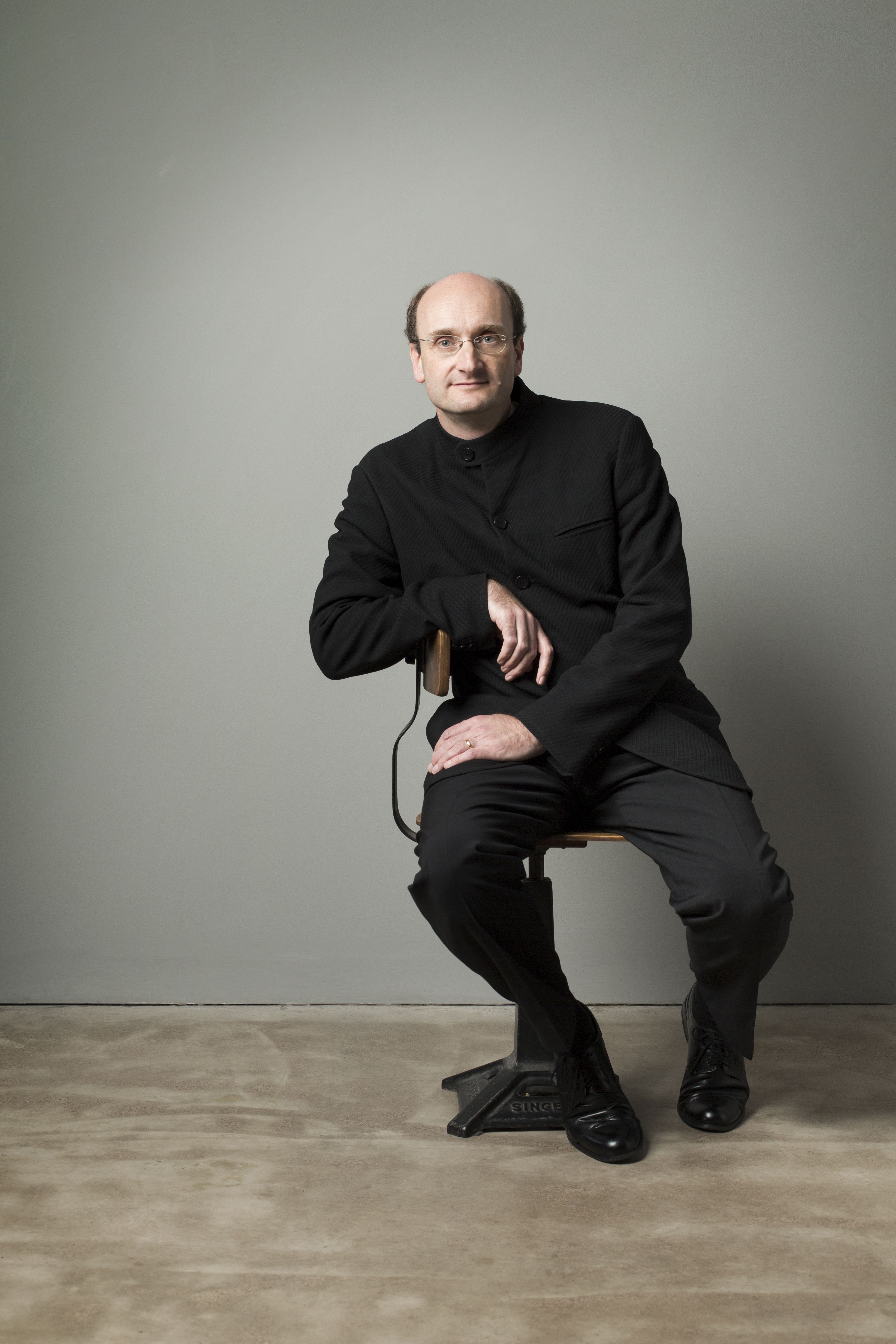
Benjamin Ealovega
Benjamin Ealovega
Andrew Manze is widely celebrated as one of the most stimulating and inspirational conductors of his generation. He combines an extensive and scholarly knowledge of the repertoire with a boundless energy. He held the position of Chief Conductor of the NDR Radiophilharmonie from 2014 until 2023. Since 2018 he has been Principal Guest Conductor of the Royal Liverpool Philharmonic Orchestra and he became Principal Guest Conductor of the Scottish Chamber Orchestra at the start of this season.
Highlights of his time as Chief Conductor of the NDR Radiophilharmonie included tours to China in 2016 and 2019, as well as a return to Japan in 2022; they also made a series of acclaimed recordings of Mendelssohn and Mozart. Other recorded highlights include a cycle of Vaughan Williams symphonies with the RLPO.
He is in demand as a guest conductor internationally, enjoying long-standing relationships with many leading orchestras, including the Royal Concertgebouw, the Dresden, Munich, Oslo, Rotterdam and Royal Stockholm Philharmonic orchestras, Bamberg and Finnish Radio Symphony orchestras, Salzburg Mozarteum Orchestra and Chamber Orchestra of Europe. This season he makes debuts with the Montreal and Toronto Symphony orchestras and returns to the Hallé, Atlanta Symphony Orchestra and the Salzburg Festival.
In North America he has been a regular guest at the Mostly Mozart Festival in New York City, and in recent seasons has conducted the Boston Symphony Orchestra and the Los Angeles and New York Philharmonic orchestras.
From 2006 to 2014 he was Principal Conductor and Artistic Director of the Helsingborg Symphony Orchestra. He was also Principal Guest Conductor of the Norwegian Radio Symphony Orchestra from 2008 to 2011, and held the title of Associate Guest Conductor of the BBC Scottish Symphony Orchestra for four seasons.
After reading Classics at Cambridge University, he studied the violin and rapidly became a leading specialist in the world of historical performance practice, including releasing a wide range of award-winning recordings.
Andrew Manze is a Fellow of the Royal Academy of Music, Visiting Professor at the Oslo Academy, and has contributed to new editions of sonatas and concertos by Bach and Mozart. He also teaches, writes about, and edits music, as well as broadcasting regularly on radio and television. In 2011 he received the Rolf Schock Prize in Stockholm.
Carolyn Sampson soprano

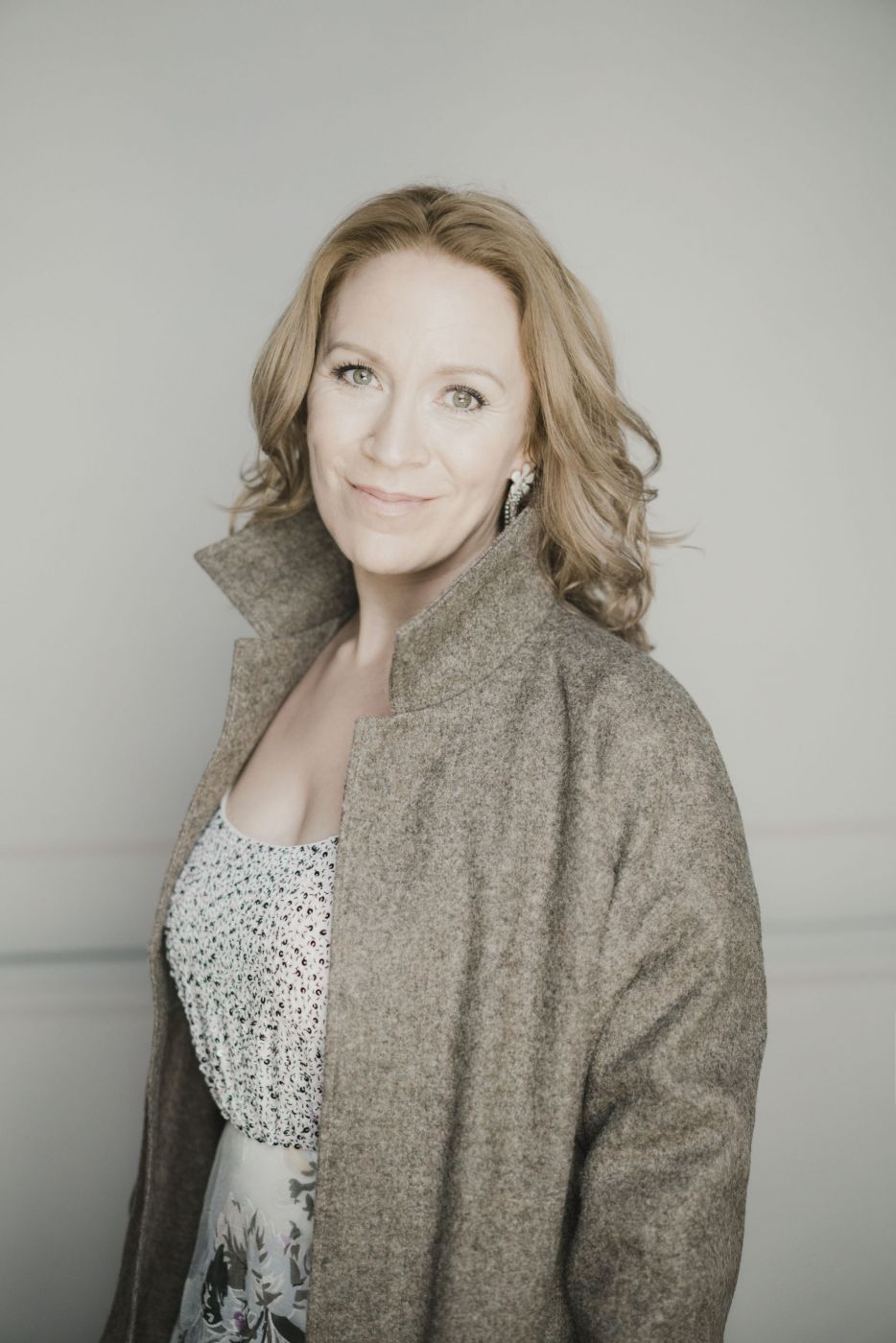
Equally at home on the concert and opera stages, Carolyn Sampson has enjoyed notable successes in the UK as well as throughout Europe and the rest of the world.
Last season she released her 100th album as a featured solo artist. Over the past 25 years she has sung with numerous world-class musicians; in 2024 she was also awarded an OBE in the King’s New Year Honours, was elected an Honorary Member of the Royal Academy of Music and won the Gramophone Artist of the Year Award.
This season she sings in Haydn’s The Creation with both the Chamber Orchestra of Paris under Masaaki Suzuki at the Paris Philharmonie and with the City of Birmingham Symphony Orchestra under Kazuki Yamada, undertakes another European tour with Bach Collegium Japan and appears with La Scintilla, Freiburg Baroque Orchestra, Bavarian Radio Symphony Orchestra and Dresden Philharmonic.
She began her career in the early music world and has forged long-standing relationships with many renowned groups, among them Bach Collegium Japan, Academy of Ancient Music, The Sixteen and Orchestra of the 18th Century. She also has close relationships with some of the world’s finest symphony orchestras, including the Royal Concertgebouw, BBC and Rotterdam Philharmonic orchestras, Gürzenich Orchestra, Leipzig Gewandhaus Orchestra, Orchestra dell’Accademia Nazionale di Santa Cecilia, Boston, BBC Scottish and San Francisco Symphony orchestras and the Philadelphia Orchestra.
On the opera stage her roles have included the title-role in Semele and Pamina (The Magic Flute) for English National Opera; roles in Purcell’s The Fairy Queen for Glyndebourne; and Anne Trulove (The Rake’s Progress) and Mélisande (Pelléas et Mélisande) for Scottish Opera. She has also appeared at the Palau de la Música in Barcelona, Opéra de Paris, Opéra de Lille, Opéra de Montpellier and Opéra National du Rhin.
She is much in demand as a recitalist, appearing regularly at Wigmore Hall, as well as at the Oxford International Song Festival, Leeds Lieder and the Saintes and Aldeburgh festivals. She has had a celebrated song partnership with pianist Joseph Middleton for over a decade; their latest album is But I Like to Sing.
Sophie Harmsen mezzo-soprano

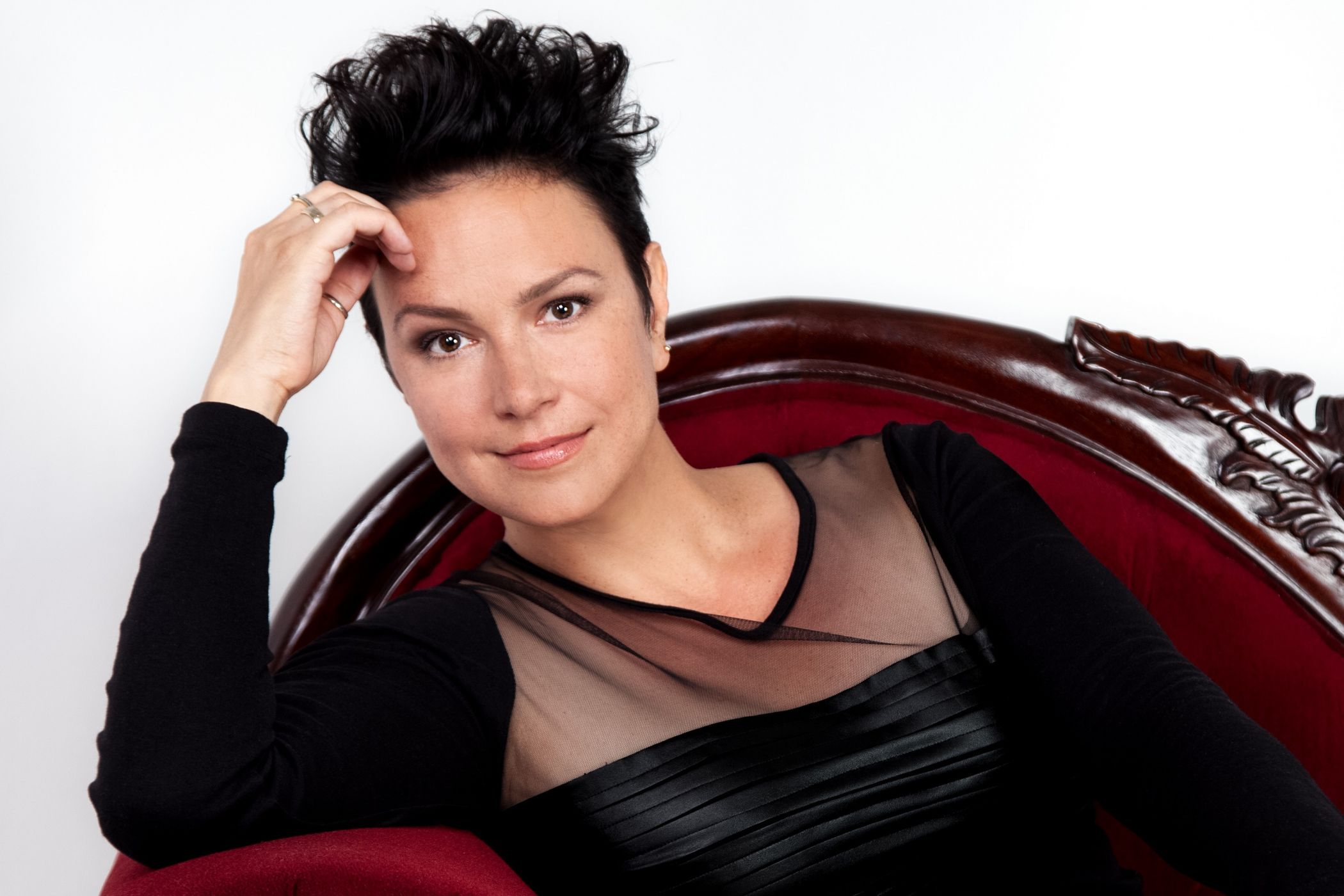
Sophie Harmsen has become internationally successful both in the concert hall and on the operatic stage in a diverse range of repertoire.
She most recently made her role and house debut as the Composer (Richard Strauss’s Ariadne auf Naxos) at La Fenice, Venice; she previously sang Octavian (Der Rosenkavalier) at the Felsenreitschule in Salzburg. She has also appeared with Cape Town Opera, Teatro Real Madrid, Opéra de Dijon and Theater an der Wien.
She has given many concerts and recitals and made recordings with an array of leading Baroque ensembles. She is now equally at home in Romantic repertoire, performing and recording works such as Wagner’s Wesendonck Lieder, Mahler’s Das Lied von der Erde and Rückert Lieder, Dvořák’s Requiem and Beethoven’s Ninth Symphony and Missa solemnis.
This season’s highlights include the Missa solemnis with B’Rock under René Jacobs and tonight’s performance with BBC NOW; Beethoven’s Mass in C major on a European tour with the Orchestre des Champs-Élysées under Philippe Herreweghe; Bruckner’s Te Deum with the SWR Symphony Orchestra and Pablo Heras-Casado; and Beethoven’s Ninth Symphony with the Orchestre des Champs-Élysées and Herreweghe, Hamburg Symphony Orchestra under Pablo González and the Warsaw Philharmonic under Krzysztof Urbański; as well as concerts with the Antwerp and Berlin Radio Symphony orchestras and Netherlands Radio Philharmonic.
She has performed with leading orchestras, including the Antwerp, Berlin Radio, Düsseldorf, MDR, SWR and Vienna Symphony orchestras, Leipzig Gewandhaus Orchestra, Helsinki and Rotterdam Philharmonic orchestras, Orchestre National de Paris and NDR Elbphilharmonie Orchestra. Conductors with whom she has worked include Sylvain Cambreling, Constantinos Carydis, Karina Canellakis, Alexander Liebreich, Iván Fischer, Thomas Hengelbrock, Frieder Bernius, Václav Luks, Christophe Rousset and Markus Stenz.
She continues to perform much Baroque repertoire, particularly the music of J. S. Bach and Handel with both period- and modern-instrument ensembles.
Many of her recordings have received awards, among them Diapason d’Or and ECHO awards.
Sophie Harmsen studied at the University of Cape Town and with Edith Wiens; she has been mentored by Tobias Truniger for many years.
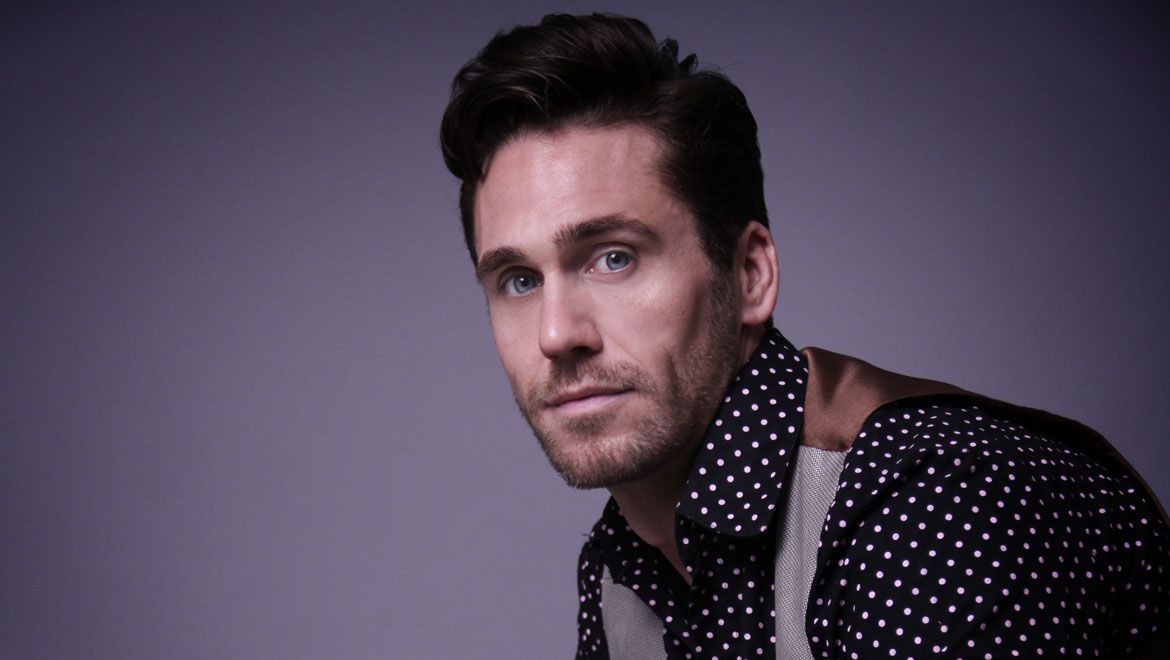
Ed Lyon tenor

Groves Artists
Groves Artists
Ed Lyon studied at St John’s College, Cambridge, the Royal Academy of Music and the National Opera Studio. He sings a wide repertoire ranging from the Baroque to contemporary music and has appeared at many of the world’s leading opera and concert venues, including the Royal Opera, Covent Garden, Glyndebourne, Bavarian State Opera, Dutch National Opera, Madrid’s Teatro Real and the Edinburgh, Aix-en-Provence, Salzburg, Holland and Aldeburgh festivals and the BBC Proms.
Highlights have included the main role in Denisov’s L’écume des jours for Stuttgart Opera; Števa (Jenůfa) for Opera North; Lurcanio (Ariodante), Steersman (The Flying Dutchman) and Walther (Tannhäuser) for the Royal Opera; Don Ottavio (Don Giovanni) and Lurcanio for Scottish Opera; Jaquino (Fidelio) in Madrid; and Alessandro (Eliogabolo) for Dutch National Opera. Recent and future engagements include Tamino (The Magic Flute) and Don Gomez (Henry VIII) for La Monnaie; Septimius (Theodora) for the Royal Opera and Madrid; Lurcanio for New Israeli Opera; Belmonte (Die Entführung aus dem Serail) and the main singer in Clorinda Agonistes at the Grange Festival; Quint (The Turn of the Screw), the title-role in Orfeo and Grimoaldo (Rodelinda) at Garsington; Eduardo (Thomas Ades’s The Exterminating Angel) at the Salzburg Festival and the Royal Opera; the title-role in Candide for WNO; and performances worldwide of The Diary of One who Disappeared in a staged production with Musiktheater Transparent.
His concert repertoire ranges from Messiah and the Evangelist in Bach’s St John and St Matthew Passions, via Beethoven’s Missa solemnis to Elgar’s The Apostles and Britten’s War Requiem. He has also given solo recitals at Wigmore Hall.
Ed Lyon’s recording 17th Century Playlist with the Theatre of the Ayre has received wide acclaim, as has Arnold’s The Dancing Master.
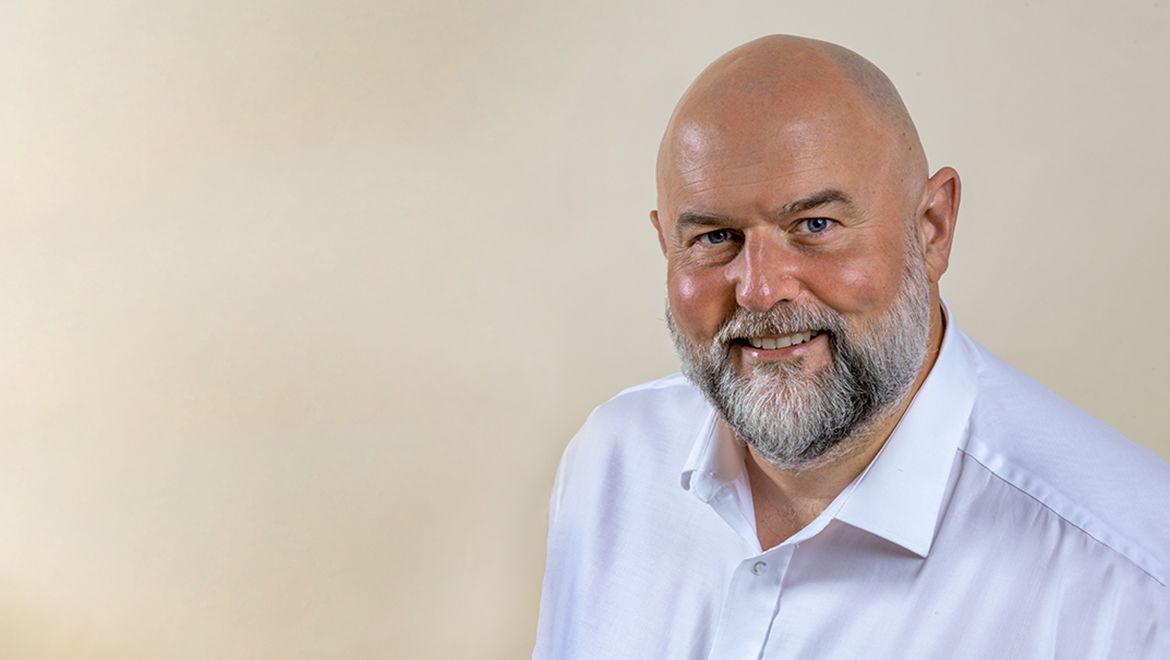
Darren Jeffery bass-baritone
Peter E. Smyth
Peter E. Smyth
Darren Jeffery has made over 200 appearances at the Royal Opera, Covent Garden, and has become well known for his performances at English National Opera which include Leporello (Don Giovanni), Donner (Das Rheingold), Speaker (The Magic Flute), Mr Flint (Billy Budd), Stárek (Jenůfa) and Hobson (Peter Grimes).
He has appeared at the Salzburg and Aix-en-Provence festivals and with most of the UK’s festival opera companies.
He was a finalist in the 2008 Seattle International Wagner Competition and has since sung the title-role in The Flying Dutchman, Wotan, Fasolt and Donner (The Ring) and Kothner (The Mastersingers) for companies such as Glyndebourne, Chicago Lyric Opera, Melbourne Opera and Dutch Touring Opera. He recently gave a series of recitals in Victoria, Australia, as part of a new Wagner festival.
Other roles include Raimondo (Lucia di Lammermoor) for New Israeli Opera; Mr Flint at the Bolshoi Theatre, Moscow; the Doorman (Das Wunder der Heliane) in the Netherlands; Father Trulove (The Rake’s Progress) at La Monnaie; and a number of roles at Teatro Real, Madrid.
Concert appearances include Christus in Bach’s St Matthew Passion with Sir Mark Elder and the Hallé; Elijah, Le rossignol, Les Troyens, Serenade to Music, Peter Grimes, Billy Budd and Haydn’s Seven Last Words from the Cross at the BBC Proms; and the major choral works of Bach, Beethoven, Brahms, Elgar, Handel, Haydn, Mendelssohn, Mozart and Verdi, among others.
He has appeared on several occasions with the Accademia Nazionale di Santa Cecilia in Rome and collaborated with many of the world’s leading conductors and orchestras. His discography includes two recordings with the London Symphony Orchestra that have won Grammy awards.
Darren Jeffery’s recent roles and plans include Peter (Hansel and Gretel) at the Royal Opera, Don Alfonso (Così fan tutte) in Malmö, Cardinal Beaton (Mary, Queen of Scots) at ENO and the title-role in Verdi’s Falstaff.
BBC National Orchestra of Wales
For over 90 years, the BBC National Orchestra of Wales, the only professional symphony orchestra in Wales, has played an integral part in the cultural landscape of the country, occupying a distinctive role as both a broadcast and national orchestra, and serving as an ambassador of Welsh culture, regularly performing music created in Wales and championing Welsh composers and artists.
Part of BBC Cymru Wales and supported by the Arts Council of Wales, BBC NOW performs a busy schedule of concerts and broadcasts, working with acclaimed conductors and soloists from across the world, including its Principal Conductor, the award-winning Ryan Bancroft.
The orchestra is committed to working in partnership with community groups and charities, taking music out of the concert hall and into settings such as schools and hospitals to enable others to experience and be empowered by music. It undertakes workshops, concerts and side-by-side performances to inspire and encourage the next generation of performers, composers and arts leaders, and welcomes thousands of young people and community members annually through its outreach and education projects.
BBC NOW performs annually at the BBC Proms and biennially at the BBC Cardiff Singer of the World competition, and its concerts can be heard regularly across the BBC – on Radio 3, Radio Wales and Radio Cymru. On screen, music performed by BBC NOW can be heard widely across the BBC and other global channels, including the soundtrack and theme tune for Doctor Who, Planet Earth III, Prehistoric Planet, The Pact and Children in Need.
Based at BBC Hoddinott Hall, Cardiff Bay, BBC NOW utilises a state-of-the-art recording studio with a camera system for livestreams and TV broadcasts to bring BBC NOW’s music to a broader audience across Wales and the world. For more information about BBC NOW please visit bbc.co.uk/now
BBC National Chorus of Wales
Made up of over 120 singers, BBC National Chorus of Wales is one of the leading mixed symphony choruses in the UK and, while preserving its amateur status, works to the highest professional standards under its Artistic Director, Adrian Partington. Comprising a mix of amateur singers alongside students from the Royal Welsh College of Music & Drama and Cardiff University, the chorus, based at BBC Hoddinott Hall in Cardiff Bay, works regularly alongside BBC National Orchestra of Wales, as well as giving concerts in its own right.
Recent highlights include performances of Poulenc’s Stabat mater and the world premiere of Alexander Campkin’s Sound of Stardust alongside BBC Cardiff Singer of the World Audience Prize winner Julieth Lozano Rolong and choral conductor Sofi Jeannin, Shostakovich’s 13th Symphony under the baton of Principal Conductor Ryan Bancroft and Karl Jenkins’s Dewi Sant in his 80th birthday year. It also makes annual appearances at the BBC Proms, with recent performances including Verdi’s Requiem, John Adams’s Harmonium with Ryan Bancroft and Vaughan Williams’s A Sea Symphony with Andrew Manze.
This season sees the chorus perform Handel’s Messiah with early-music specialist John Butt, the current two performances of Beethoven’s monumental Missa solemnis at Llandaff Cathedral and in Swansea with Andrew Manze, and its annual carol concert and a concert of Brahms with Ryan Bancroft.
The chorus is committed to promoting Welsh and contemporary music, and gave the second-ever performance of Grace Williams’s Missa Cambrensis, 45 years after its premiere, a recording of which was released in 2025. It has also premiered works by many composers, including a special performance of Kate Whitley’s Speak Out, a setting of the words of Malala Yousafzai’s 2013 UN speech.
The chorus can be heard on BBC Radio 3, BBC Radio Wales and BBC Radio Cymru, and recently featured in Paul Mealor’s soundtrack for BBC Wales’s Wonders of the Celtic Deep.
Patron
HM King Charles III KG KT PC GCB
Principal Conductor
Ryan Bancroft
PrincipalGuest Conductor
Jaime Martín
Conductor Laureate
Tadaaki Otaka CBE
Composer-in-Association
Gavin Higgins
First Violins
Terry Porteus
Suzanne Casey
Ruth Heney **
Anna Cleworth
Žanete Uškāne
Carmel Barber
Alejandro Trigo
Emilie Godden
Second Violins
Emily Davis ‡
Roussanka Karatchivieva
Beverley Wescott
Michael Topping
Vickie Ringguth
Violas
Alex Thorndike #
Tetsuumi Nagata
Anna Growns
Laura Sinnerton
Robert Gibbons
Catherine Palmer
Lowri Taffinder
Cellos
Reinoud Ford ‡
Raphael Lang
Sandy Bartai
Keith Hewitt
Alistair Howes
Rachel Ford
Double Basses
Ketan Curtin
Christopher Wescott
Emma Prince
Flutes
Lindsey Ellis **
Oboes
Alec Harmon
Clarinets
Isaac Prince
Bassoons
Georgie Powell
Contrabassoon
David Buckland †
Horns
Meilyr Hughes
Marcus Bates
Lucy Smith
John Davy
Trumpets
Lewis West
Trombones
Dafydd Thomas †
Bass Trombone
Timpani
Organ
Gregory Drott
* Section Principal
† Principal
‡ Guest Principal
# Assistant String Principal
The list of players was correct at the time of publication
BBC National Chorus of Wales
Artistic Director Adrian Partington
Accompanist Chris Williams
Vocal Coach Gail Pearson
Soprano 1
Elizabeth Aitken
Jessica Baber
Asia Bonuccelli
Beth Bradfield
Eve Carey
Iustina Chirila
Logan Clark
Phoebe Dry
Rebekah Edwards
Ella Edwards Beavington
Bethan M. Evans
Darcie Hamilton
Delyth Jewell
Vanessa John-Hall
Lucie Jones
Rachael Leary
Joanna Osborn
Elizabeth Phillips
Ellen Steward
Helen Thomas
Soprano 2
Kate Bidwell
Denise Cooke
Esme Daniell-Greenhalgh
Isabel D’Avanzo
Sofia Franklin
Penelope George
Rhiannon Humphreys
Francesca Ingall
Margaret Lake
Carolyn Lee
Lucy Paterson
Kensey Petschow
Melanie Taylor
Caroline Thomas
Hannah Williams
Katherine Woolley
Alto 1
Catherine Bradfield
Atiyeh Dast Afkan
Alison Davies
Catherine Duffy
Anna Eldred
Rachel Farebrother
Kathrin Hammer
Naomi Hitchings
Lisa May
Sara Peacock
Bethany Piper
Kate Reynolds
Zozi Sookanadenchetty
Julie Ellen Thornton
Vicki Westwell
Jessica Williams
Alto 2
Yasmin Browne
Alex Butler
Yvonne Higginbottom
Sian Schutz
Julie Wilcox
Sarah Willmott
Tenor 1
William Collins
Keith Davies
Roland George
Philip Holtam
Andrew Lunn
Andrew Morris
Deryck Webb
Nicholas Willmott
Tenor 2
Rhys Archer
Tony Breese
Jonathan Dobie
Michael Ennis
Peter Holmes
Rory McIver
Sam Proll
Richard Shearman
Richard Wilcox
Michael Willmott
Bass 1
Noah Boneham-Hill
Peter Cooke
David Davies
Ethan Davies
John Davies
James Downs
Charlie Gedge
Rafael Grigoletto
Emyr Wynne Jones
Lucas Maunder
Benjamin Pinnow
Jez Piper
Neil Schofield
Miles Smith
Alun Williams
Daniel Williams
Bass 2
Lyndon Davies
Oliver Hodgson
Stuart Hogg
David Hutchings
David McLain
Gareth Nixon
Mike Osborn
The list of singers was correct at the time of publication
Director Lisa Tregale
Orchestra Manager Liz Williams
Assistant Orchestra Manager Nick Olsen **
Orchestra Personnel ManagerKevin Myers
Business Coordinator Georgia Dandy **
Orchestra Administrator Eleanor Hall +**
Head of Artistic Planning and ProductionMatthew Wood
Artists and Projects Manager Victoria Massocchi **
Orchestra Librarian Naomi Roberts **
Producer Mike Sims
Broadcast Assistant Emily Preston
Head of Marketing and Audiences Sassy Hicks
Marketing Coordinator Amy Campbell-Nichols +
Digital Producer vacancy
Social Media Coordinator Harriet Baugh
Education Producers Beatrice Carey, Rachel Naylor maternity cover
Audio Supervisors Simon Smith, Andrew Smillie
Production Business Manager Lisa Blofeld
Stage and Technical Manager vacancy
Assistant Stage and Technical Manager Josh Mead +
+ Green Team member
** Diversity & Inclusion Forum