Haydn, Bach and Mozart
Saturday 7 May, 7.30pm
The Bridgewater Hall, Manchester


Tonight’s advertised conductor, Omer Meir Wellber, has had to pull out due to illness. We are grateful to Ben Gernon for taking his place.
Welcome to tonight’s performance
Tonight’s concert begins with the ‘Harmoniemesse’ was Haydn’s last important work, completed in the year he turned 70. Yet this is no valediction, no quiet farewell – it’s a work of magnificent ambition and grandeur, ending not with a solemn wave goodbye but an infectious sense of positivity and joy. Ben Gernon directs a suitably expansive team of musicians and singers in a roof-raising performance.
After the break we hear Webern’s exquisitely jewelled take on the six-part Ricercar from Bach’s Musical Offering, followed by Mozart’s triumphant final symphony, posthumously titled ‘Jupiter’.
This concert features students from Chetham’s School of Music and the Royal Northern College of Music. We’re proud to work with new talent through our collaborations with both Manchester organisations.
Our relationship with BBC Radio 3
As the BBC’s flagship orchestra for the North, almost all of the BBC Philharmonic’s concerts are recorded for broadcast on Radio 3. Tonight you will see a range of microphones on the stage and suspended above the orchestra. We have a Producer, Assistant Producer and Programme Manager at the orchestra who produce our broadcasts.
We seek to bring a diverse and risk-taking range of repertoire to our audiences, including our concert-goers here in Manchester, as well as the two million listeners who tune in to BBC Radio 3.
Please do not take flash photographs during the performance as this is very distracting to the artists. Audio and video recording is strictly prohibited.
To ensure that everyone can enjoy the concert, please either turn off your phone and any other electronic devices before it begins or ensure that they are turned to silent.

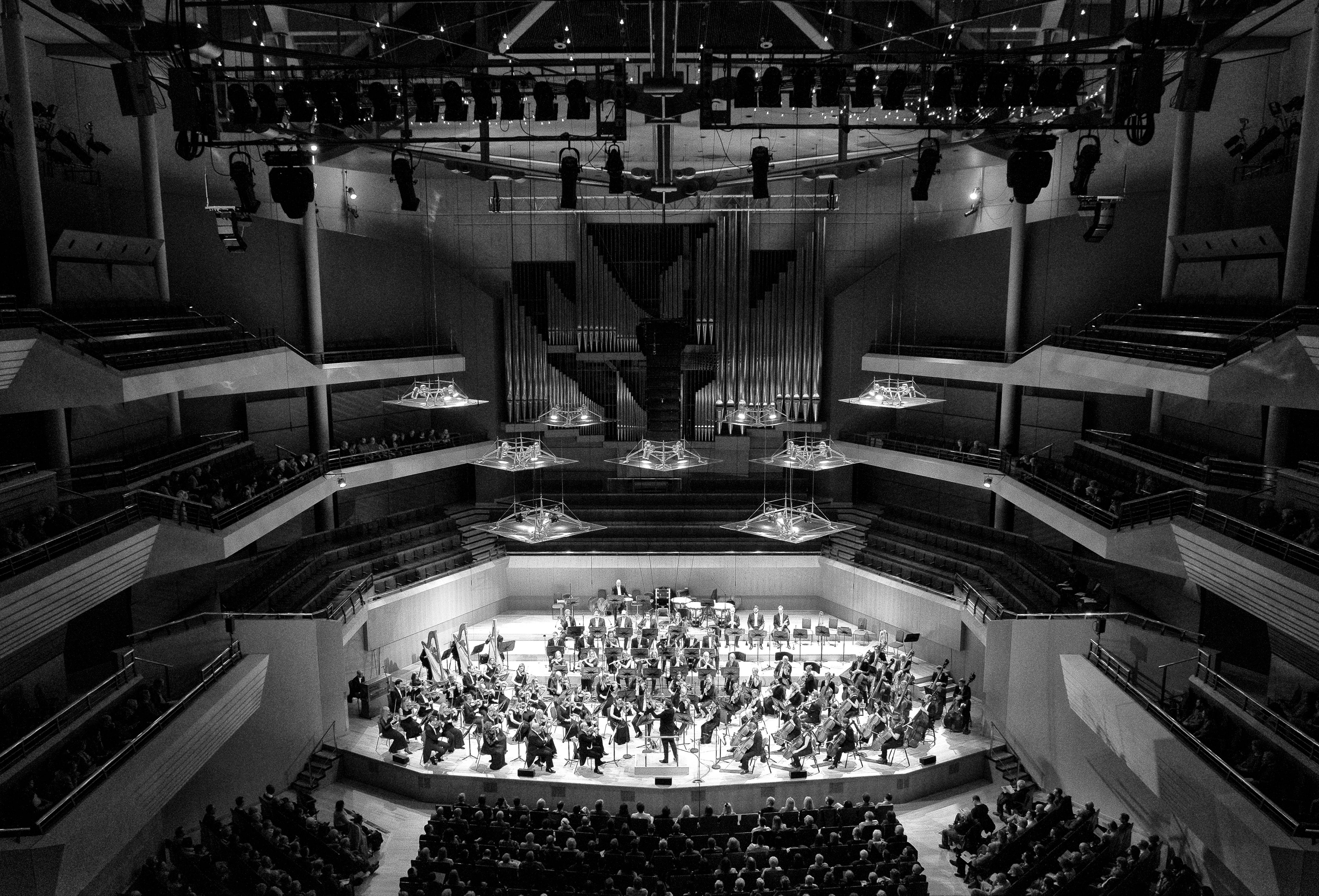
Joseph Haydn
Mass in B flat major, ‘Harmoniemesse’ 41’
INTERVAL: 20 minutes
Johann Sebastian Bach, orch. Anton Webern
Ricercar a 6 from ‘Musical Offering’ 7’
Wolfgang Amadeus Mozart
Symphony No. 41 in C major, ‘Jupiter’ 27’
Georgie Malcolm soprano
Clara Mouriz mezzo-soprano
Joshua Ellicott tenor
Thomas Ashdown baritone
Chetham’s Chamber Choir
BBC Philharmonic
Ben Gernon conductor


Tonight’s concert is being recorded by BBC Radio 3 for broadcast in ‘Radio 3 in Concert’ on Wednesday 1 June at 7.30pm. It will be available to stream or download for 30 days after broadcast via BBC Sounds, where you can also find podcasts and music mixes.
Help us Improve Our Online Programmes.
Please take this 5-minute survey and let us know what you think of these notes.
Programme Survey
Joseph Haydn (1732–1809)
Mass in B flat major, ‘Harmoniemesse’ (1802)


A PDF version of the sung text can be viewed here
1 Kyrie
2 Gloria
3 Credi
4 Sanctus
5 Benedictus
6 Agnus Dei
Georgie Malcolm soprano
Clara Mouriz mezzo-soprano
Joshua Ellicott tenor
Thomas Ashdown baritone
Chetham’s Chamber Choir
According to his friend and biographer Georg August Griesinger, Joseph Haydn ‘considered the days spent in England the happiest of his life’, and not only because of the fortune he made here – equivalent to at least 20 years’ salary as a court musician for the Esterházy family, which is how he spent much of his working life.
In 1795 Haydn returned from his second London visit to the employ of the Esterházys in Vienna, but this time only part-time. And, while he seems to have enjoyed his new-found Viennese celebrity status, he soon started to suffer ill health and what he described, in a 1799 letter to his publisher, as ‘the worst sort of depression’. The Mass in B flat major would be the last major work he completed, four months after his 70th birthday.
The Mass was the sixth written to a commission from Prince Nikolaus II to mark the name day each September of his consort, Princess Maria Josepha Hermenegilde. (Nikolaus, it turns out, was a serial adulterer said to have fathered dozens of illegitimate children with innumerable mistresses, none of whom got their own Masses.) Combined with Haydn’s age and ailments, the cooked-to-order circumstances might suggest music written less out of inspiration than obligation. The truth is anything but – this is the unmistakable sound of a composer pouring the best of himself onto the page.
Given to the Mass after the composer’s death, the nickname ‘Harmoniemesse’ (literally ‘Wind-band Mass’) refers to the unusual size and prominence of the wind section. We can hear, perhaps, the benefits of Haydn’s time in London, where he worked with larger ensembles than were available to him at the Esterházy court.
While the orchestration might be unusual, the structure follows form. Marked by the wonderful harmony on which the choir enters, the mighty Kyrie is followed by a quick–slow–quick Gloria, fizzing with life.
The Credo also falls neatly into three sections, true to expectations: the vivid opening (‘Credo in unum Deum’), the solemnity of the crucifixion (‘Et incarnatus est’) and the joy of the resurrection (‘Et resurrexit’).
The Sanctus – first sober, then very much not – gives way to a rapid-fire Benedictus full of verve and vitality. Opening in G major, a handbrake turn from the B flat major chord that closes the Benedictus, the Agnus Dei moves from an imperious opening to an atmosphere of transcendent jubilation. Haydn, it turns out, knew how to say goodbye.
Programme note © Will Fulford-Jones
Joseph Haydn
Haydn trained in the choir of St Stephen’s Cathedral in Vienna, and in 1757 became Kapellmeister to the Morzin family. In 1761 he landed a position at the court of the wealthy Esterházy family. During his many years in the Esterházys’ employment, Haydn claimed he was exposed to little external musical influence, but the position allowed him scope to write anything from dances to full-scale operas, and ‘forced me to become original’. One of the first composers to develop the string quartet (of which he produced 68), he also extended the form and expressive range of the symphony – writing no fewer than 106. He composed a number of dramatic works and was released from the Esterházy court – in 1790, in his late fifties – in order to visit London. He enjoyed two highly successful visits, composing his 12 ‘London’ symphonies, and produced two great oratorios: The Creation (1798) and TheSeasons (1801) – as well as his six late Masses for the Esterházy family.
Profile by Edward Bhesania © BBC
INTERVAL: 20 MINUTES
Johann Sebastian Bach (1685–1750),
orch. Anton Webern(1883–1945)
Ricercar a 6 from ‘Musical Offering’
(1747, orch. 1934–5)

Bach’s Musical Offering originated with a challenge set for him by Frederick II – Frederick the Great – when the ageing composer visited his Potsdam palace in 1747. A keen and decent musician, Frederick invited his guest to improvise a three-part fugue on a serpentine theme of Frederick’s own devising. When Bach easily did so, Frederick then called for another fugue – this time in six parts. Bach demurred, but then returned home and began working on a set of pieces based on the theme – the Musical Offering – that included Frederick’s requested six-part fugue (by Bach’s time, the word ricercar – literally, ‘to seek out’ – was also used to mean a fugue).
‘What music it is!’ wrote Anton Webern in a letter to one conductor of his orchestration, completed in 1935. That said, Webern’s arrangement carries the music miles from its original conception, apparently as a work for solo keyboard (although Bach didn’t specify precisely which instrument). Webern aimed ‘to reveal the motivic coherence … [and] set the character of the piece as I feel it’ using Klangfarbenmelodie (sound-colour-melody), a technique by which the notes of a melody are played not by a single instrument but by several, creating a sort of musical game of pass-the-parcel. It’s clearest at the start, when the initial statement of Frederick’s theme ricochets between trombone, horn and trumpet – but it carries through the entire arrangement, an unexpected yet successful connection forged between two pioneering composers born two centuries apart.
Programme note © Will Fulford-Jones
Will Fulford-Jones is a writer and editor who works widely across music and the arts.
Johann Sebastian Bach
Bach was a chorister then violinist before taking his first organist post at Arnstadt while still a teenager. It was in Weimar, as court organist from 1708, that he wrote many of his great organ works, as well as organ transcriptions of concertos by Vivaldi. In 1717 he became Kapellmeister at Cöthen, where he wrote the Brandenburg Concertos, the Four Orchestral Suites and the violin concertos, and married his second wife, Anna Magdalena, with whom he had 13 children. Bach’s heavy duties in his final job, as Kantor of the Thomasschule in Leipzig from 1723 until his death, involved writing a new cantata each week for some years, as well as teaching Latin and music, choir-training and directing the music for church services. In later years he drew his art together in such major works as the Mass in B minor, The Art of Fugue, the Musical Offering and the Goldberg Variations. His densely contrapuntal idiom became unfashionable soon after his death until the early 19th century, when a revival of interest in his music began that has lasted to the present.
Profile by Edward Bhesania © BBC
Wolfgang Amadeus Mozart (1756–91)
Symphony No. 41 in C major, K551 ‘Jupiter’ (1788)


1 Allegro vivace
2 Andante cantabile
3 Menuetto and Trio: Allegretto
4 Molto allegro
Shostakovich’s first piano concerto and Mozart’s final symphony both cover a wide range of emotions, often in quick succession. In fact, the Symphony No. 41 begins with a theme that rests upon sharp dynamic and expressive contrasts; this characteristic can be brought into close relation with late 18th-century preoccupations with drama. During the summer of 1788, with but four years to live, Mozart completed three symphonies. No. 41, which was posthumously nicknamed ‘Jupiter’, was the last and longest of the set. There are resonances of opera seria in the first movement (Allegro vivace), but its second group of themes transports us into the realm of opera buffa, quoting the composer’s bass aria ‘Un bacio di mano’ (‘A kiss on the hand’), which includes the words: ‘You are a little dense, my dear Pompeo’.
The second movement (Andante cantabile) draws upon the sarabande, a dance form similar to those found in the French keyboard suites that inspired Ravel’s Tombeau. Moreover the sinuous and elegant third movement (Menuetto and Trio: Allegretto) recalls Ravel’s motto, ‘Complexe mais pas compliqué’(‘complex but not complicated’), which carries over into the ease with which Mozart combines five major themes in the famous finale (Molto allegro): the first of these themes – a motif present in several other pieces by Mozart – consists of just four notes.
Programme note © Lucía Camacho Acevedo
Lucía Camacho Acevedo is a pianist and music writer. Born and raised in Madrid, she is currently engaged in a PhD on musical texture at Royal Holloway, University of London, and is a music Research Fellow at the Library of Congress, Washington DC..
Wolfgang Amadeus Mozart
Born in Salzburg on 27 January 1756, Mozart displayed prodigious musical talents that were quickly nurtured by his father Leopold, a distinguished court musician, composer and writer. The family made a grand tour of northern and central Europe from 1763 to 1766 (including a 15‑month stay in London), during which Mozart and his gifted elder sister Nannerl played to great acclaim for royalty, nobility and the musical public. Having already written three operas in the late 1760s, Mozart composed three more – Mitridate, Ascanio in Alba and Lucio Silla – for the Teatro Regio in Milan in connection with visits to Italy with his father in 1769–73.
Mozart’s enthusiasm for life as Konzertmeister at the Salzburg court began to wane from the mid-1770s onwards. He travelled to Munich, Mannheim and Paris in 1777–9 in an ultimately unsuccessful pursuit of a permanent position abroad; the trip was overshadowed in any case by the death in 1778 of his mother Maria Anna, who had accompanied him.
Working conditions under the Prince-Archbishop of Salzburg, Hieronymus Colloredo, had become intolerable for Mozart by the end of the decade. Following a summons to Vienna from Colloredo in spring 1781, when Mozart was in Munich for the premiere of his opera Idomeneo, the composer opted to remain in the Habsburg capital as an independent musician. After testy exchanges with Colloredo, his resignation from court service was accepted.
Mozart wrote his greatest works in Vienna in the final decade of his life (1781–91). An operatic hit with The Abduction from the Seraglio shortly before he married Constanze Weber in summer 1782 was followed by a four-year period as the darling of the Viennese musical establishment; the 15 newly written piano concertos that appeared during this period became the primary vehicles for him to promote his talents as a performer-composer. His reputation was further enhanced by The Marriage of Figaro, Don Giovanni and Così fan tutte for the National Court Theatre in Vienna – Don Giovanni having met with great approbation at its premiere in Prague – and numerous chamber works for publication.
After enduring financial difficulties in the late 1780s, Mozart saw his problems begin to ease during the highly productive year of 1791, which included the premieres of The Magic Flute at a popular Viennese theatre and La clemenza di Tito in Prague, as well as the composition of the unfinished Requiem. Mozart’s stock rose dramatically after his death on 5 December 1791; by the mid-1790s he had secured a position alongside Joseph Haydn as one of the greatest musicians of all time. He has remained a totemic musical figure, and cultural icon, ever since.
Profile © Simon P. Keefe
Simon P. Keefe is James Rossiter Hoyle Chair of Music at the University of Sheffield. He is the author or editor of nine books on Mozart, including Mozart in Vienna: the Final Decade (Cambridge University Press) and Mozart’s Requiem: Reception, Work, Completion (Cambridge University Press) which won the Emerson Award from the Mozart Society of America in 2013. He was elected to life membership of the Academy for Mozart Research at the International Mozart Foundation in Salzburg in 2005.
Biographies
Ben Gernon conductor

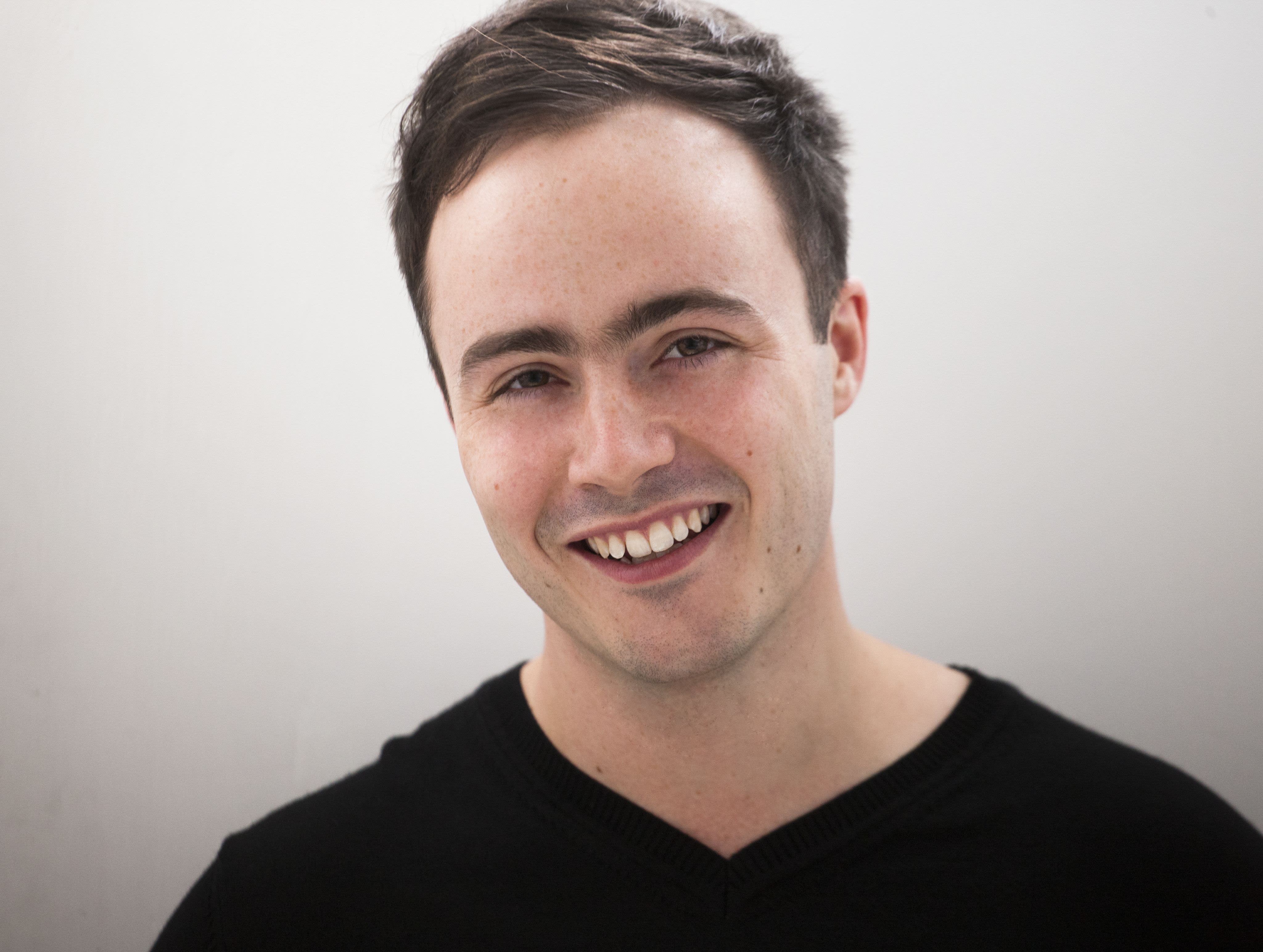
Photo: Simon Annand
Photo: Simon Annand
British conductor Ben Gernon studied at the Guildhall School of Music & Drama with Sian Edwards and with Colin Davis. From 2017 to 2020 he was Principal Guest Conductor of the BBC Philharmonic (becoming one of the youngest conductors to have held a titled position with a BBC orchestra), with which he regularly continues to work.
He has conducted many of the world’s major orchestras, including the Czech, Los Angeles and Oslo Philharmonic orchestras and the BBC and Chicago Symphony orchestras, and he recently made his debuts with the Frankfurt Radio Symphony, NDR Radiophilharmonie, Netherlands Philharmonic and Hallé orchestras. Forthcoming debuts are planned with the Finnish Radio Symphony, Basel Symphony and Tampere Philharmonic orchestras.
Equally at home in the opera house, he conducted Simon McBurney’s production of The Magic Flute for English National Opera and returned to Royal Swedish Opera for a new production of Madam Butterfly following his debut there the previous season conducting The Magic Flute. Other operatic productions have included The Barber of Seville with the Glyndebourne Tour and The Marriage of Figaro with Stuttgart Opera.
Ben Gernon’s recording 3D Classical Collection – a selection of popular classics spanning four centuries, with the London Philharmonic Orchestra and Choir – was released in 2020. Other recent releases include recordings with the BBC Philharmonic, BBC Scottish Symphony Orchestra, Czech Philharmonic and Royal Scottish National Orchestra.
Georgie Malcolm soprano

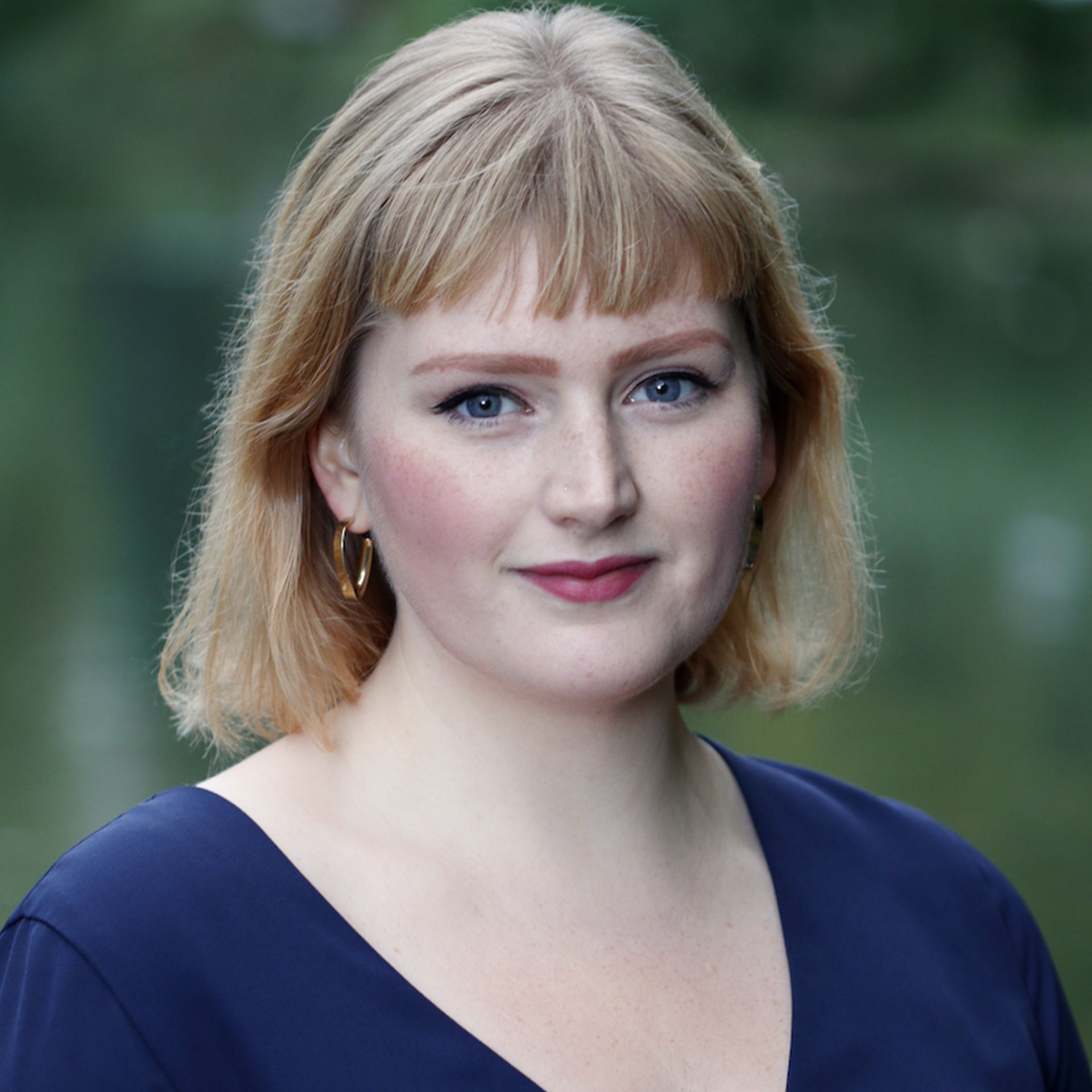
Soprano Georgie Malcolm is studying for a postgraduate diploma at the Royal Northern College of Music with Elizabeth Ritchie, having gained her MMus with Distinction last year.
She frequently performs as an oratorio soloist with choirs and choral societies around the country, her repertoire ranging from Handel’s Messiah and Mozart’s ‘Great’ Mass in C minor to Honegger’s King David and Will Todd’s Mass in Blue. On the operatic stage, she recently appeared as The Countess in The Marriage of Figaro (RNCM) and has previously sung Venus in a touring production of Blow’s Venus and Adonis (L’Offerta Musicale di Venezia), Monica in Menotti’s The Medium (RNCM), Aunt Norris in Jonathan Dove’s Mansfield Park (RNCM) and Atalanta in Handel’s Xerxes (New Chamber Opera). She joins Buxton International Festival this year as a Young Artist, singing in its opera chorus and covering the role of Cleopatra in Hasse’s Antonio e Cleopatra.
Georgie Malcolm recently placed second in the Mozart Singing Competition, also winning the Schubert Prize. At the RNCM she was the winner of the inaugural Williams–Howard Prize, is a recipient of
the Dame Eva Turner Award and was a finalist in both the Joyce and Michael Kennedy Award for the Singing of Strauss and the college’s Concerto Competition. Her studies are kindly supported by the Alice Orrell and A&N Kendall Award, the Riga Heesom Award and the Waverley Fund Scholarship.
Clara Mouriz mezzo-soprano

Photo: J. M. Bielsa
Photo: J. M. Bielsa
A former BBC Radio 3 New Generation Artist, Spanish mezzo-soprano Clara Mouriz was mentored by Joyce DiDonato and Felicity Lott as a recipient of the Wigmore Hall/Independent Opera Fellowship. She has received the International Handel Competition Audience Price and is an Associate of London’s Royal Academy of Music.
Clara Mouriz has appeared in radio broadcasts and at concert halls across Europe and North America. Recent recital appearances include performances at Amsterdam’s Concertgebouw, Paris’s Musée d’Orsay, London’s Wigmore Hall and the Leeds Lieder and Bach Mozart festivals. She made her BBC Proms debut in 2013, performing Falla’s The Three-Cornered Hat with the BBC Philharmonic under Juanjo Mena, with whom she has also recorded works by Montsalvatge and Turina for Chandos to critical acclaim. In concert she has appeared with orchestras including the BBC, City of Birmingham, Hong Kong and Swedish Radio Symphony orchestras, Danish, Royal Scottish and Spanish National orchestras and Baroque Orchestra of Seville.
Past operatic roles include Cherubino (The Marriage of Figaro), Elena (Elena e Malvina) and the title role in La Cenerentola. She has also sung in concert Beethoven’s Mass in C major, Berlioz’s L’enfance du Christ, Michael Haydn’s Requiem, Mozart’s ‘Coronation’ Mass, Montsalvatge’s Cinco canciones negras, Falla’s Love, the Magician and Ravel’s Shéhérazade.
Joshua Ellicott tenor
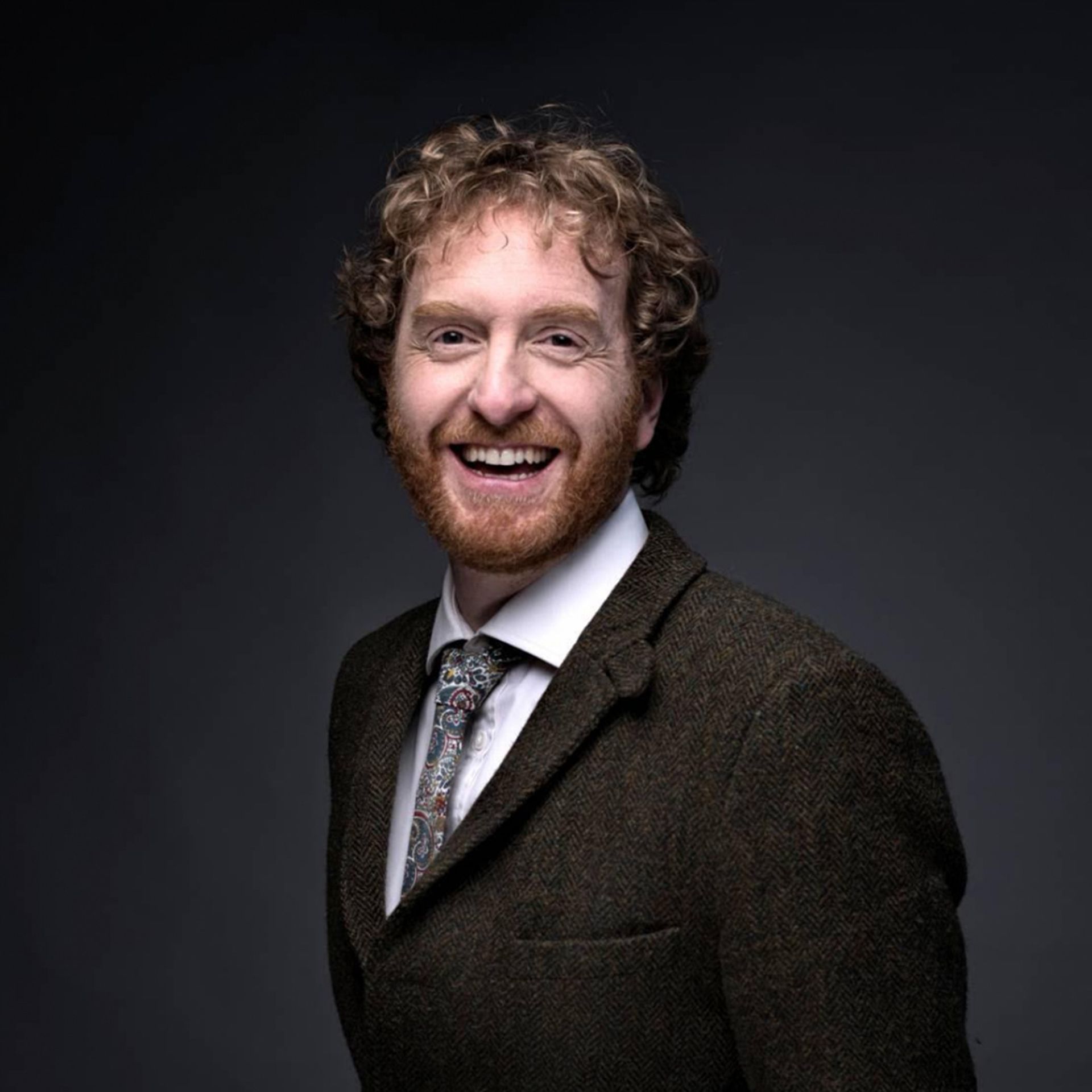
Photo: Sane Seven
Photo: Sane Seven
Tenor Joshua Ellicott sings across a wide range of repertoire, from song to opera to concert works. In the field of early music he has worked with conductors such as Nikolaus Harnoncourt, Sir Roger Norrington, Harry Bicket, Harry Christophers and Paul McCreesh. He has also worked with Sir Mark Elder, Daniel Harding and Esa-Pekka Salonen.
Recent highlights include Tempo (Il trionfo del Tempo e del Disinganno) in a new production with the Royal Danish Opera, Florestan (Leonore) with the Freiburg Baroque Orchestra, Handel’s Saul with the International Bach Academy in Stuttgart, the UK premiere of George Walker’s Lilacs with the BBC Philharmonic under John Storgårds, the Evangelist in Bach’s St John Passion at the Teatro Arriaga in Spain and Paris’s Théâtre du Châtelet, a new work by Stuart MacRae at the Lammermuir Festival, Patrick Hawes’s The Great War Symphony at Classic FM Live, Britten’s Serenade for tenor, horn and strings with the Royal Northern Sinfonia, Handel’s Judas Maccabaeus with Capella Cracoviensis, Handel’s Messiah with the New York Philharmonic and Bach’s Christmas Oratorio with Latvijas Koncerti.
This season’s highlights include a return to the Lammermuir Festival with the BBC Scottish Symphony Orchestra, Handel’s Ode for St Cecilia’s Day with the Norwegian Baroque Ensemble, Bach’s Christmas Oratorio at Porto’s Casa da Música, Il trionfo with Les Passions de l’Âme in Switzerland and Caldara’s Maddalena ai piedi di Cristo with the Freiburg Baroque Orchestra.
Thomas Ashdown baritone
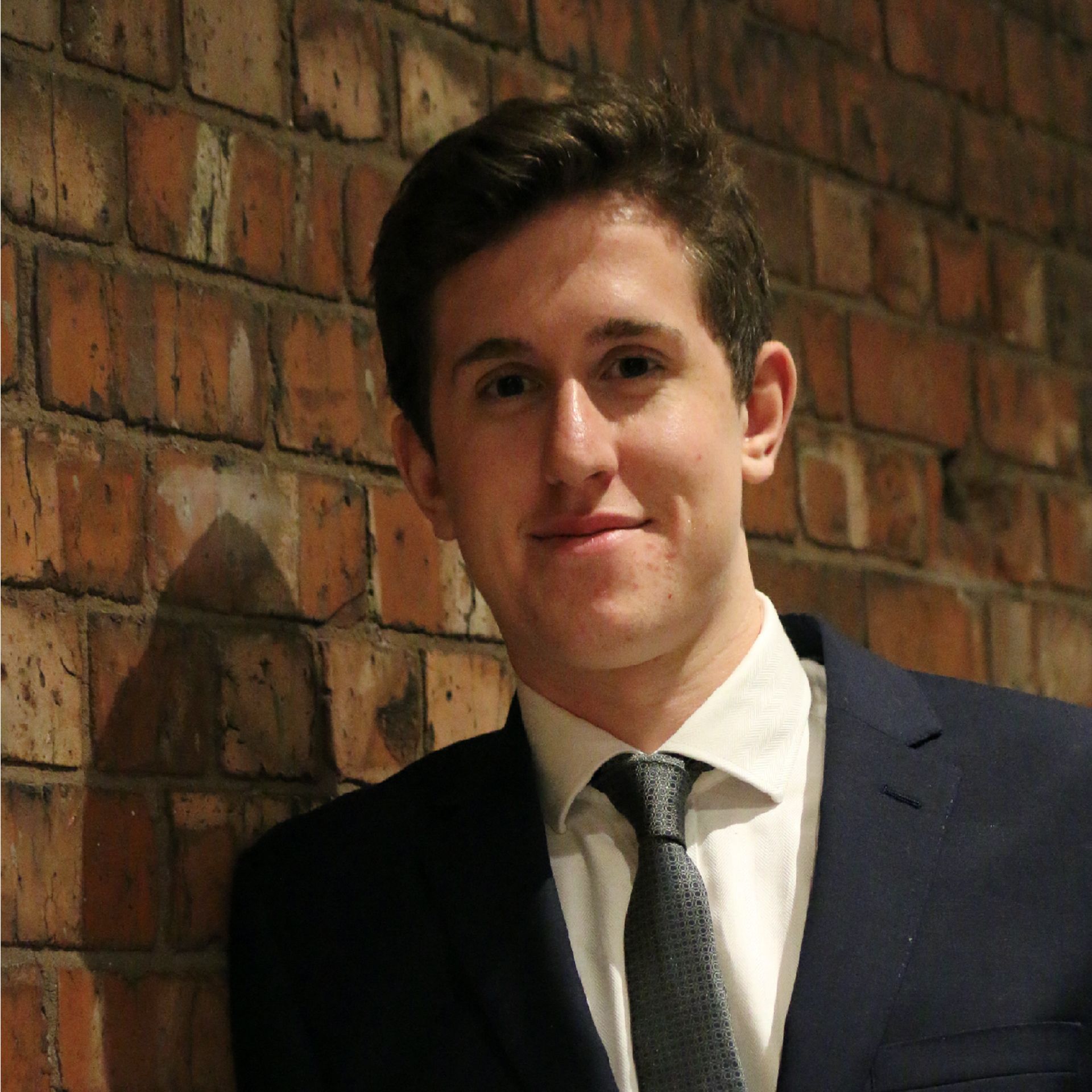
Thomas Ashdown is currently a final-year Masters student studying as a lyric baritone under Peter Wilson at the Royal Northern College of Music. He grew up in Canterbury and became heavily involved in music-making during his teenage years, singing in operettas and oratorios both as a member of the choir and in solo roles.
He has sung roles in productions of The Cunning Little Vixen (Harasta), Ariadne auf Naxos (Wig-maker), The Marriage of Figaro (Antonio) and Madam Butterfly (Uncle Yakuside), in addition to scenes from Street Scene (Mr Jones), Così fan tutte (Guglielmo), Don Giovanni (Leporello) and Billy Budd (Mr Redburn). Thomas Ashdown appears by kind permission of the RNCM.
Chetham’s Chamber Choir
Chetham’s Chamber Choir is comprised of more than 70 students from the UK’s leading specialist music school, home to some of the most exciting young musicians in the country. Its members are drawn from across the student body with representatives from every instrumental and vocal department. The choir performs throughout the year at its home in Manchester, Stoller Hall.
A flexible ensemble, it is usually divided into three smaller choirs who join forces for larger projects such as this evening’s performance. The choir is directed by Stuart Overington, who is well known for his work with young singers. In addition to his role at Chetham’s, Overington is director of Hallé Youth Choir, Royal Northern College of Music Chamber Choir and RNCM Symphony Chorus.
In addition to their work with Stuart, Chetham’s Chamber Choir is coached by the Head of Vocal and Choral Studies, Marcus Farnsworth, who has prepared the choir for this evening’s performance.
Director
Stuart Overington
Tonye
Cassandra
George
Scarlett
Gabriel
Ellie
Osian
Edita
Olivia
Tammy
Rina
Lydia
Amy
Erin
Mabel
Dominic
Oscar
Jakob
Michael
Eleanor G.
Carrissa
Phoebe
Eva
James
Annabel
Katie
Milly
Bella
Martha
Pablo
Eleanor M.
Vanessa
Leela
Loki
Benjamin
Dobby
Grace
Lylah
Brinsley
Theo
Poppy
Azra
Elicia
Oliver
Megan
Harry
Kassia
Ben
Nina
Rhiannon
Matthias
Saul
Maria
Lukas
Divine
Sophie
Molly
Elizabeth
Ariella
Pip
Austin
Reuben
Lianneke
Stella
Oona
Alexander
Hayden
Lucy
The list of singers was correct at the time of publication
BBC Philharmonic
The BBC Philharmonic is reimagining the orchestral experience for a new generation – challenging perceptions, championing innovation and taking a rich variety of music to the widest range of audiences.
The orchestra usually performs around 100 concerts every year, the vast majority of which are broadcast on BBC Radio 3. Along with around 35 free concerts a year at its MediaCityUK studio in Salford and a series of concerts at Manchester’s Bridgewater Hall, the orchestra performs across the North of England, at the BBC Proms and internationally, and records regularly for the Chandos label.
The BBC Philharmonic’s Chief Conductor is Omer Meir Wellber. Described by The Times’s Richard Morrison as ‘arguably the most inspired musical appointment the BBC has made for years’, Israeli-born Wellber burst into his new role at the 2019 BBC Proms and has quickly built an international reputation as one of the most exciting young conductors working today. The orchestra also has strong ongoing relationships with its Chief Guest Conductor John Storgårds and Associate Artist Ludovic Morlot. In May last year the orchestra announced young British composer and rising star Tom Coult as its Composer in Association.
The scope of the orchestra’s programme extends far beyond standard repertoire. Over the past few years it has collaborated with artists as varied as Clean Bandit, Jarvis Cocker and The Wombats; played previously unheard music by writer-composer Anthony Burgess in a unique dramatisation of A Clockwork Orange; joined forces with chart-toppers The 1975 at Blackpool’s Tower Ballroom; premiered The Arsonists by composer Alan Edward Williams and poet Ian McMillan, the first opera ever written to be sung entirely in a Northern English dialect; and broadcast on all seven BBC national radio networks, from BBC Radio 1 to BBC Radio 6 Music and the BBC Asian Network. Last year the orchestra also entered the UK Top 40 singles chart with ‘Four Notes: Paul’s Tune’.
The BBC Philharmonic is pioneering new ways for audiences to engage with music and places learning and education at the heart of its mission. Outside of the concert hall, it is passionate about taking music off the page and into the ears, hearts and lives of listeners of all ages and musical backgrounds – whether in award-winning interactive performances, schools’ concerts, Higher Education work with the Royal Northern College of Music or the creation of teacher resources for the BBC’s acclaimed Ten Pieces project. Through all its activities, the BBC Philharmonic is bringing life-changing musical experiences to audiences across Greater Manchester, the North of England, the UK and the rest of the world.
First Violins
Zoe Beyers
Leader
Midori Sugiyama
Assistant Leader
Thomas Bangbala
Sub Leader
Austeja Juskaite-Igl
Martin Clark
Julian Gregory
Karen Mainwaring
Catherine Mandelbaum
Anya Muston
Sarah White
Second Violins
Lisa Obert *
Glen Perry ‡
Rachel Porteous
Lucy Flynn
Christina Knox
Rebecca Mathews
Claire Sledd
Sian Goodwin
Violas
Kimi Makino ‡
Bernadette Anguige †
Ruth Montgomery
Rachel Janes
Fiona Dunkley
Carolyn Tregaskis
Cellos
Maria Zachariadou ‡
Jessica Schaefer
Elinor Gow
Miriam Skinner
Double Basses
Ronan Dunne *
Alice Durrant †
Andrew Vickers
Flutes
Alex Jakeman *
Victoria Daniel †
Oboes
Jennifer Galloway *
Kenny Sturgeon
Gillian Callow
David Benfield
Clarinets
John Bradbury *
Sarah Masters
Bass Clarinet
Sarah Masters
Bassoons
Roberto Giaccaglia *
Bill Anderson
Horns
Ben Hulme *
Rebecca Hill ¥
Phillip Stoker
Tom Kane
Jonathan Barrett
Trumpets
Richard Blake §
Gary Farr †
Trombones
Richard Brown *
Timpani
Paul Turner *
Percussion
Paul Patrick *
Harp
Clifford Lantaff *
Celeste
Paul Janes
Forte Piano
Omer Meir Wellber
* Principal
† Sub Principal
‡ Assistant Principal
§ Guest Principal
¥ Associate Principal
The list of players was correct at the time of publication
Director
Simon Webb
Orchestra Manager
Tom Baxter
Assistant Orchestra Manager
Stefanie Farr/Beth Wells
Orchestra Personnel Manager
Helena Nolan
Orchestra Administrator
Maria Villa
Senior Producer
Mike George
Programme Manager
Stephen Rinker
Assistant Producer
Katherine Jones
Marketing Manager
Amy Shaw
Marketing Executive
Jenny Whitham
Marketing Assistant
Kate Highmore
Manager, Learning and Digital
Jennifer Redmond/ Beth Wells
Project Co-ordinator, Learning
Youlanda Daly/ Róisín Ní Dhúill
Librarian
Edward Russell
Stage Manager
Thomas Hilton
Transport Manager
Will Southerton
Team Assistant
Diane Asprey
Keep up to date with the
BBC Philharmonic
Listen to our BBC Radio 3 broadcasts via the BBC Sounds app. Visit our website and follow us on Twitter, Facebook and Instagram and sign up to the newsletter
To help us improve our online concert programmes, please take this 5-minute survey
Produced by BBC Proms Publications