
Christmas Tales
Friday 3 December 2021, 7.30pm


A PDF version of this programme, including the sung texts, can be viewed here:
Jean Sibelius
Rakastava, Op. 14 13’
Gerald Finzi
In terra pax (chamber version) 14’
INTERVAL: 20 minutes
Benjamin Britten
Saint Nicolas 50’
Ailish Tynan soprano
Robin Tritschler tenor
Benson Wilson baritone
BBC Symphony Chorus
Finchley Children’s Music Group
Sakari Oramo conductor
Neil Ferris assistantconductor


This concert is being broadcast live by BBC Radio 3 in 'Radio 3 in Concert'. It will be available for 30 days after broadcast via BBC Sounds, where you can also find podcasts and music mixes.
Help us Improve Our Online Programmes.
Please take this 5-minute survey and let us know what you think of these notes.
Programme Survey
Tonight the BBC Symphony Orchestra and Chief Conductor Sakari Oramo are joined by a trio of leading vocal soloists, the BBC Symphony Chorus and the Finchley Children’s Music Group for a programme designed to get you into the Christmas spirit.
Based on poems from the Finnish folk collection Kanteletar, Sibelius’s Rakastava (‘The Lover’) took a number of forms before arriving at its final version for strings and percussion that we hear tonight. It’s a rarely heard gem from the country that gave us not only tonight’s conductor but also … Santa Claus.
Two composers central to British choral music complete the programme: after Finzi’s magical ‘Christmas Scene’ In terra pax comes Britten’s dramatic cantata on the life of Saint Nicholas of Myra, whose habit of gift-giving contributed to the present-day myth of Santa Claus
Jean Sibelius (1865–1957)
Rakastava, Op. 14 (1911–12)


1 The Lover
2 The Way of the Lover
3 Good Night … Farewell
‘There’s an earthy fragrance about it. Earth and Finland,’ wrote Sibelius of Rakastava. Originally conceived as a choral setting of poems from the Finnish folk-poetry anthology Kanteletar, the piece reflects the composer’s early efforts to forge a distinct national style – at a time when Finns were caught between the yoke of the Russian Empire and a Swedish-speaking cultural elite. The work we hear tonight – for strings, triangle and timpani – was made almost two decades after the original four-movement cycle for male-voice choir, but that ‘earthy fragrance’ persists: folkish melodies are retained and expanded, and the distinct timbres and rhythms of the Finnish words are recast in intricate string writing emblematic of the composer’s mature style.
Though it lacks an explicit narrative, this revised Rakastava has the feel of a miniature tone-poem. In the first movement, entitled ‘The Lover’, rich, hymn-like passages express the yearning for a distant sweetheart, while tremolo interjections add a tingling sense of expectancy. ‘The Way of the Lover’ delicately traces the beloved’s path in a weightless flurry of triplets, while ‘Good Night … Farewell’ conveys intensely the pain of lovers parting. A solo violin and cello gently clash in dialogue at the start of the movement before receding into the muted texture of the final goodbyes.
Strangely enough, Sibelius had trouble getting this version of Rakastava published. Breitkopf & Härtel were reluctant to accept a piece that drew on older material; Robert Lienau’s firm deemed music for string orchestra unfashionable. But the piece proved popular with the public, and Sibelius conducted it many times between performances of his symphonies.
Programme note by Timmy Fisher © BBC
Timmy Fisher is Sub-Editor, BBC Proms Publications, and has written for The i, Financial Times, Radio Times and VAN. He co-hosts The Classical Music Pod.
Jean Sibelius
Sibelius established himself early on in his career as Finland’s national composer, helped by his ability to convey the austere beauty of his country, his passionate adoption of themes from the Finnish folk epic, Kalevala, and his patriotic music such as Finlandia (1900). Born in Hämeenlinna, around 60 miles north of Helsinki, he initially intended to become a violinist, but studied composition in Vienna and Berlin between 1889 and 1891. His choral symphony Kullervo and the tone-poem En Saga (both 1892, and both inspired by Kalevala) preceded seven purely orchestral symphonies, ranging from the Tchaikovsky-influenced First (1900) to the enigmatically brief Seventh (1924). Supported by a government pension from the age of 32, he effectively retired for the last 30 years of his life, writing no major works (though he started an eighth symphony, which he destroyed). His Violin Concerto, by turns introverted and highly virtuosic, remains among the most popular in the repertoire.
Profile by Edward Bhesania © BBC
Edward Bhesania is Editorial Manager, BBC Proms Publications, and reviews for The Stage and The Strad. He has written for The Observer, Country Life, The Tablet and International Piano.
Gerald Finzi (1901–56)
In terra pax, Op. 39 (chamber version, 1951–4)


Ailish Tynan soprano
Benson Nelsonbaritone
BBC SymphonyChorus
For such a small place, Gloucestershire’s Chosen Hill is rich with musical association. It was a favourite haunt of Herbert Howells, whose Op. 21 Piano Quartet was dedicated ‘To the hill at Chosen and Ivor Gurney who knows it’. It was also important to Howells’s friend Gerald Finzi who, as a young man, had been invited to join a group of bellringers at nearby St Bartholomew’s as they rang in the New Year. The experience made a lasting impression and provided the musical seed for one of Finzi’s most popular pieces, In terra pax.
The work places St Luke’s account of the angels’ appearance to the shepherds within the 20th-century narrative of Robert Bridges’s poem ‘Noel: Christmas Eve, 1913’ while maintaining a narrative continuity. As Finzi wrote, ‘the Nativity becomes a vision seen by a wanderer on a dark and frosty Christmas Eve in our own familiar landscape’. In this ‘Christmas Scene’ a solo baritone takes the part of the poet, while the chorus narrates the biblical text and a solo soprano gives voice to the angel. But there is another, unnamed character: Chosen Hill, reflected in the four-note ‘bell’ motif that opens the piece and provides its ecstatic climax: ‘Glory to God in the highest, and on earth peace, good will toward men.’ Finzi seems to be reliving that New Year’s Eve in Gloucestershire, placing his younger self in the role of wanderer.
In terra pax contains all the hallmarks of Finzi’s style: soft, sloping melodies redolent of his mentor Vaughan Williams; arioso-like passages that demonstrate his special sensitivity to the rhythms of the English language; and a wonderfully idiosyncratic approach to form. The work’s overriding serenity also suggests that Finzi drew comfort from its Christian message – despite being a Jewish agnostic. Perhaps he felt in need of comfort, having been diagnosed with Hodgkin’s disease three years earlier. Indeed, In terra pax would be one of the last pieces he wrote. In 1956, with Vaughan Williams, he climbed Chosen Hill for what was to be the last time. While there, they had tea at the sexton’s house, where Finzi caught the chickenpox that killed him.
Gerald Finzi
Gerald Finzi’s early life was marred by tragedy. His father, three brothers and first composition teacher, Ernest Farrar, had all died by the time he reached 17, leaving him introverted and with an acute sense of life’s fragility. Music and literature became Finzi’s haven, and he threw himself into both with an urgency that would endure throughout his short life. After studying composition with Edward Bairstow and R. O. Morris in Yorkshire, he moved to London, where he soaked up the city’s artistic scene, befriending Holst and Vaughan Williams and later taking up a teaching post at the Royal Academy of Music. But it was the English countryside of Elgar, Howells and Gurney that Finzi yearned for and, after marrying artist Joyce Black in 1933, he moved out of London for good, building a house in the Hampshire hills for them both to work in. Here he consolidated a musical idiom steeped in the rolling hills of the English countryside, completing many of the works for which he is best remembered: the Hardy cycle I said to Love, the concertos for clarinet and cello, and the masterful solo cantata Dies natalis. Finzi also assembled a vast library of music and literature, and an orchard of rare apple trees – his instinct for cultivation prevailing right up until his death at the age of 55.
Programme note and profile by Timmy Fisher © BBC
INTERVAL: 20 MINUTES
Benjamin Britten (1913–76)
Saint Nicolas (1947–8)


Introduction
2 The Birth of Nicolas
3 Nicolas Devotes Himself to God
4 He Journeys to Palestine
5 Nicolas Comes to Myra and is Chosen Bishop
6 Nicolas from Prison
7 Nicolas and the Pickled Boys
8 His Piety and Marvellous Works
9 The Death of Nicolas
Rafael Flutter treble Young Nicolas
Rafael Flutter, Jimmy Frow, Jeremy Jeffes trebles Pickled Boys
Robin Tritschler tenorSaint Nicolas
BBC Symphony Chorus
Finchley Children’s Music Group
It was in a letter to Michael Tippett that Britten famously declared the job of a composer was to ‘be useful, and to the living’. This meant being prepared to write music for enthusiastic amateurs as well as virtuosos. It also was the central tenet of his own Aldeburgh Festival, where local musicians rubbed shoulders with some of the biggest stars of the day. So, when Britten conducted the inaugural Aldeburgh concert in June 1948, it must have felt natural to include on the programme a piece that required, in his words, ‘any numerically big chorus, even if the singers are not very experienced’.
Saint Nicolas had actually been written on commission from Lancing College, the alma mater of Britten’s partner in life and music the tenor Peter Pears. The school had requested a piece to mark its centenary, with its patron saint, the fourth-century Bishop Nicolas of Myra, as the subject. Also the patron saint of mariners and children – themes close to Britten’s heart – Nicolas would no doubt have been an enticing figure for Britten, who enlisted his (then) trusted collaborator Eric Crozier to write the libretto. Crozier had already directed Britten’s operas Peter Grimes and The Rape of Lucretia, and the pair had just finished working on Albert Herring – described by the pianist Sviatoslav Richter as ‘the greatest comic opera of the century’.
For this next project, Britten felt the miraculous events surrounding Nicolas’s life would be best related in a cantata structure. As reference, he gave a copy of Haydn’s The Creation to Crozier, who dutifully organised the saint’s life, work and death into eight chronological episodes. These were prefaced by a scene-setting introduction in which Nicolas – sung by a professional tenor, initially Pears – addresses the audience ‘across the tremendous bridge of 1,600 years’. A chorus, semi-chorus and four trebles, drawn from school pupils, would take on the rest of the narration, accompanied by an ensemble of amateur players (with the exception of one professional percussionist). Even the audience would be involved: two hymn settings for ‘All voices and congregation’ were incorporated into the score.
Britten began composing Saint Nicolas in December 1947. A letter that month to Pears shows how he relished the challenge – and kept the layout of Lancing’s chapel in mind:
It’ll be difficult to write, because that mixture of subtlety & simplicity is most extending … I think St Michael’s [the girls’ choir] will have to be relegated to the galleries … their breathy voices are obviously most suited to the wind noises & so forth.
In that last point he also hints at the pantomime-like effects that would permeate the finished score (the gurgle of draining bath water is a highlight). As in Noye’s Fludde, Britten’s 1958 opera for children, these reveal a lighter side to the composer’s character, but without diluting the cantata’s more poignant moments, such as in ‘The Birth of Nicolas’, when the saint’s transition to adulthood is marked by a sudden change in voice-type, or ‘His Piety and Marvellous Works’, which owes something to Fauré in its chant-like sensitivity.
Not everyone was convinced: one critic at the ‘official’ Lancing College premiere thought ‘the naivety sounded assumed rather than spontaneous’. But Saint Nicolas was an instant hit with the public, and its winning formula of ‘subtlety & simplicity’ became a model for composers interested in community music-making – or, as Britten would put it, being ‘useful’.
Programme note by Timmy Fisher © BBC
Benjamin Britten
Born in Suffolk on 22 November 1913 (propitiously, the feast day of St Cecilia, patron saint of music), Britten began piano lessons aged five, composing songs for his mother by the age of 10. At 13 he began composition studies with Frank Bridge before entering the Royal College of Music in 1930. His documentary scores for the GPO (General Post Office) Film Unit brought him into collaboration with W. H. Auden, a liberating force, and in 1937 he not only attracted international attention with his Variations on a Theme of Frank Bridge at the Salzburg Festival, but also met the tenor Peter Pears, who would remain a lifelong partner and vocal interpreter. Britten revitalised English opera with his first stage triumph Peter Grimes (1945), launching the Aldeburgh Festival three years later. He performed often as a conductor and pianist, and though he wrote a significant number of chamber and choral works (among them three string quartets, and the War Requiem, 1961), it is principally for his vocal and especially operatic output that he continues to be remembered.
Profile by Edward Bhesania © BBC
Coming up at the Barbican
Friday 23 January 2022, 7.30pm
Total Immersion: Music For The End Of Time
Art created in unimaginable conditions – a BBC Symphony Orchestra Total Immersion day presenting music of the ghettos and camps of Nazi-occupied Europe.
Book tickets


Biographies
Sakari Oramo conductor

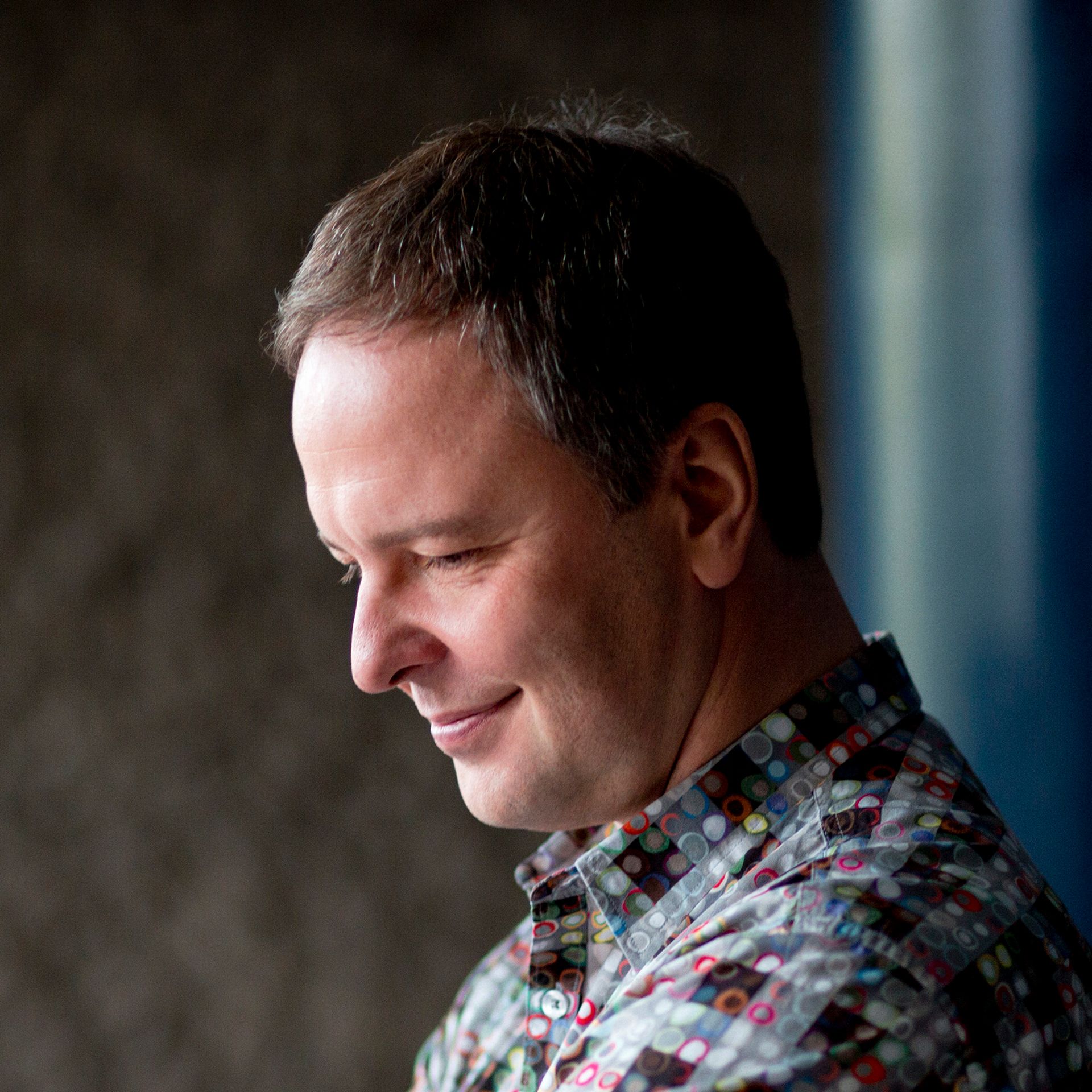
Photo: Benjamin Ealovega
Photo: Benjamin Ealovega
Sakari Oramo began his career as a violinist and was leader of the Finnish Radio Symphony Orchestra. He is currently Chief Conductor of the BBC Symphony Orchestra, Honorary Conductor of the Finnish Radio Symphony Orchestra and Conductor Laureate of the Royal Stockholm Philharmonic Orchestra (of which he was Chief Conductor and Advisor, 2008–21). From 1998 to 2008 he was Music Director of the City of Birmingham Symphony Orchestra.
This season marks his eighth with the BBC SO, with which he champions new and rarely performed works alongside established highlights of the repertoire. Among his guest appearances this season are engagements with the Berlin Philharmonic, Vienna Symphony, Finnish Radio Symphony and NDR Elbphilharmonie orchestras.
He is a regular at the BBC Proms, where he conducts a typically wide variety of works, often with the BBC Symphony Chorus. He has conducted the Last Night of the Proms on five occasions.
His recordings have won many accolades, including a BBC Music Magazine Award for Nielsen’s Symphonies Nos. 1 and 3 with the Royal Stockholm Philharmonic Orchestra, a Gramophone Award for Rued Langgaard’s Symphonies Nos. 2 and 6, and an ICMA Award for Busoni’s Piano Concerto with Kirill Gerstein and the Boston Symphony Orchestra. Other recent releases include orchestral works by Sibelius, Rachmaninov’s Piano Concertos Nos. 2 and 3 with Yevgeny Sudbin and a disc of music by Florent Schmitt, all with the BBC Symphony Orchestra.
Neil Ferris assistant conductor
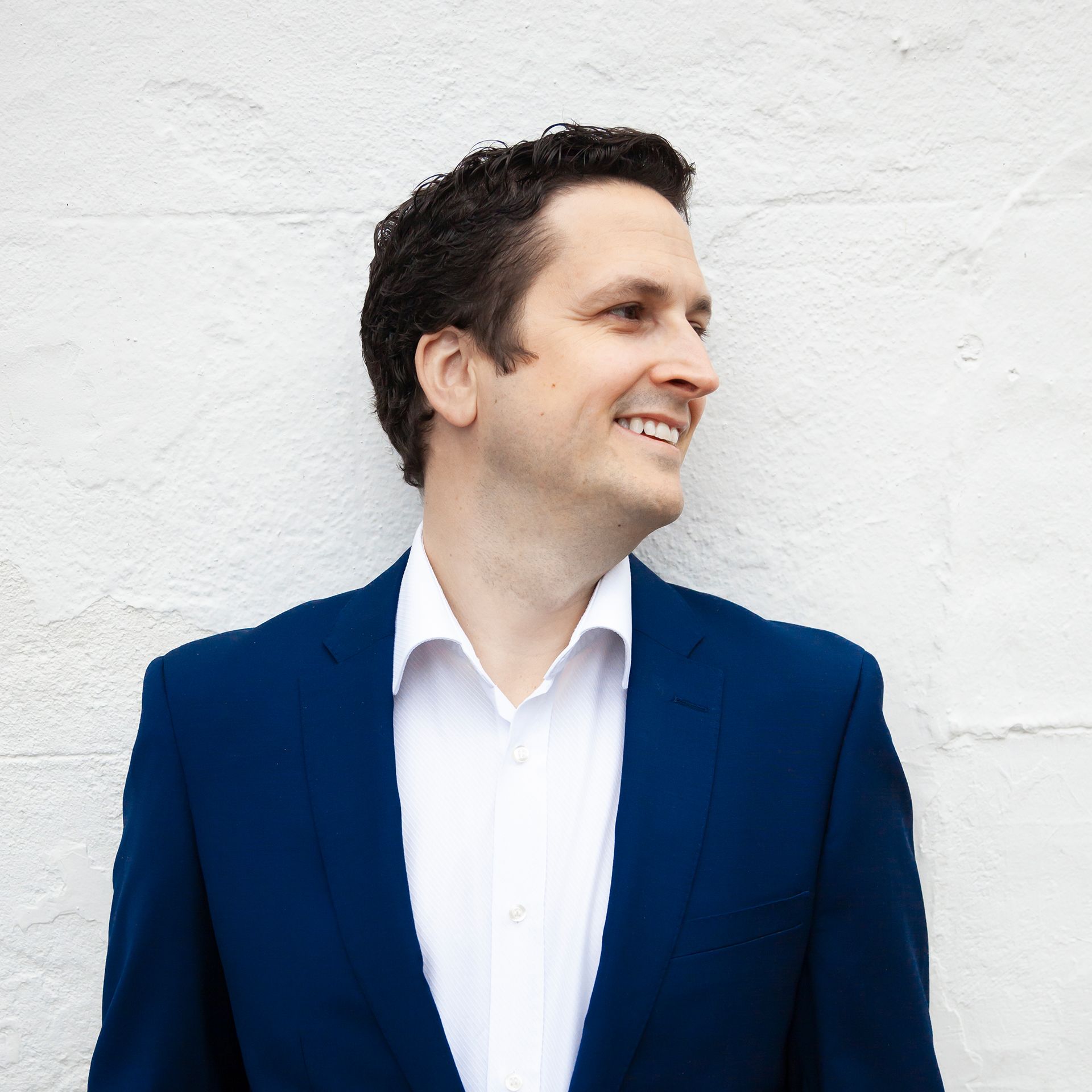
Neil Ferris has been Music Director of Wimbledon Choral Society since 2009. He is also Artistic Director of the professional chamber choir Sonoro and was appointed Chorus Director of the BBC Symphony Chorus in 2017. In 2019 he made his BBC Proms conducting debut, celebrating the 90th-anniversary season of the BBC Symphony Chorus with the premiere of a specially commissioned piece by Jonathan Dove, We Are One Fire.
With Sonoro he has appeared at the St Magnus International Festival, Wimbledon International Music Festival and Kings Place in London. In demand as a guest conductor with some of the finest choirs in the UK, he has worked with the London Symphony Chorus, Choir of the Age of Enlightenment, BBC Singers, National Youth Choirs of Great Britain and National Youth Choir of Wales. He has prepared choirs for conductors including Marin Alsop, Martyn Brabbins, Sir Andrew Davis, Edward Gardner, Valery Gergiev, Bernard Haitink, Sakari Oramo and Sir Simon Rattle.
Orchestras he has conducted include the London Symphony Orchestra, Philharmonia Orchestra, Welsh National Opera Orchestra, Ulster Orchestra, London Mozart Players and Orchestra of the Swan. Later this month he makes his debut with the Royal Scottish National Orchestra, conducting its Christmas concerts in Aberdeen, Dundee, Glasgow and Edinburgh.
Among his recordings are an album of choral music by Jonathan Dove and Fauré’s Requiem. The album Christmas with Sonoro was a Christmas Choice of BBC Music Magazine and followed Sonoro’s critically acclaimed debut album Passion and Polyphony,featuring works by Sir James MacMillan and Frank Martin. Plans for next year include the world-premiere recording of Cecilia McDowall’s Da Vinci Requiem with City of London Sinfonia and Wimbledon Choral Society, and a second Choral Inspirations album with Sonoro.
Robin Tritschler tenor
Robin Tritschler graduated from the Royal Academy of Music and was a BBC Radio 3 New Generation Artist.
He has appeared with many leading orchestras and conductors, including the London Philharmonic Orchestra under Vladimir Jurowski, Yannick Nézet-Séguin and Nathalie Stutzmann; the Orchestre National de Lyon under Yutaka Sado; and the Rotterdam Philharmonic Orchestra under Philippe Herreweghe. With the RTÉ Concert Orchestra he performed Handel’s Messiah before Pope Benedict XVI to celebrate the 80th anniversary of the Vatican State.
His opera performances include Almaviva (The Barber of Seville) for Welsh National Opera, as well as Nemorino (L’elisir d’amore), Narraboth (Salome), Ferrando (Così fan tutte), Don Ottavio (Don Giovanni) and Belmonte (The Abduction from the Seraglio). He recently made his debut with the Royal Opera, Covent Garden, in Wozzeck, and with Garsington Opera as Ferrando.
In recital he has appeared at London’s Wigmore Hall, Cologne Philharmonie, Amsterdam Concertgebouw and the Kennedy Center (Washington DC), as well as at the Aix-en-Provence, Aldeburgh and West Cork Chamber Music festivals.
His growing discography includes a critically acclaimed recording of Britten’s Winter Words with Malcolm Martineau, contributions to Poulenc’s complete songs series with Graham Johnson and a disc of Britten and Schubert with Iain Burnside, recorded live at Wigmore Hall.
Recent highlights include Mozart’s Mass in C minor with Ensemble Pygmalion at the Salzburg Festival and with the Bavarian Radio Symphony Orchestra under Herbert Blomstedt, Britten’s War Requiem in Katowice and a return to the Royal Opera for Jaquino (Fidelio) under Sir Antonio Pappano.
Ailish Tynan soprano
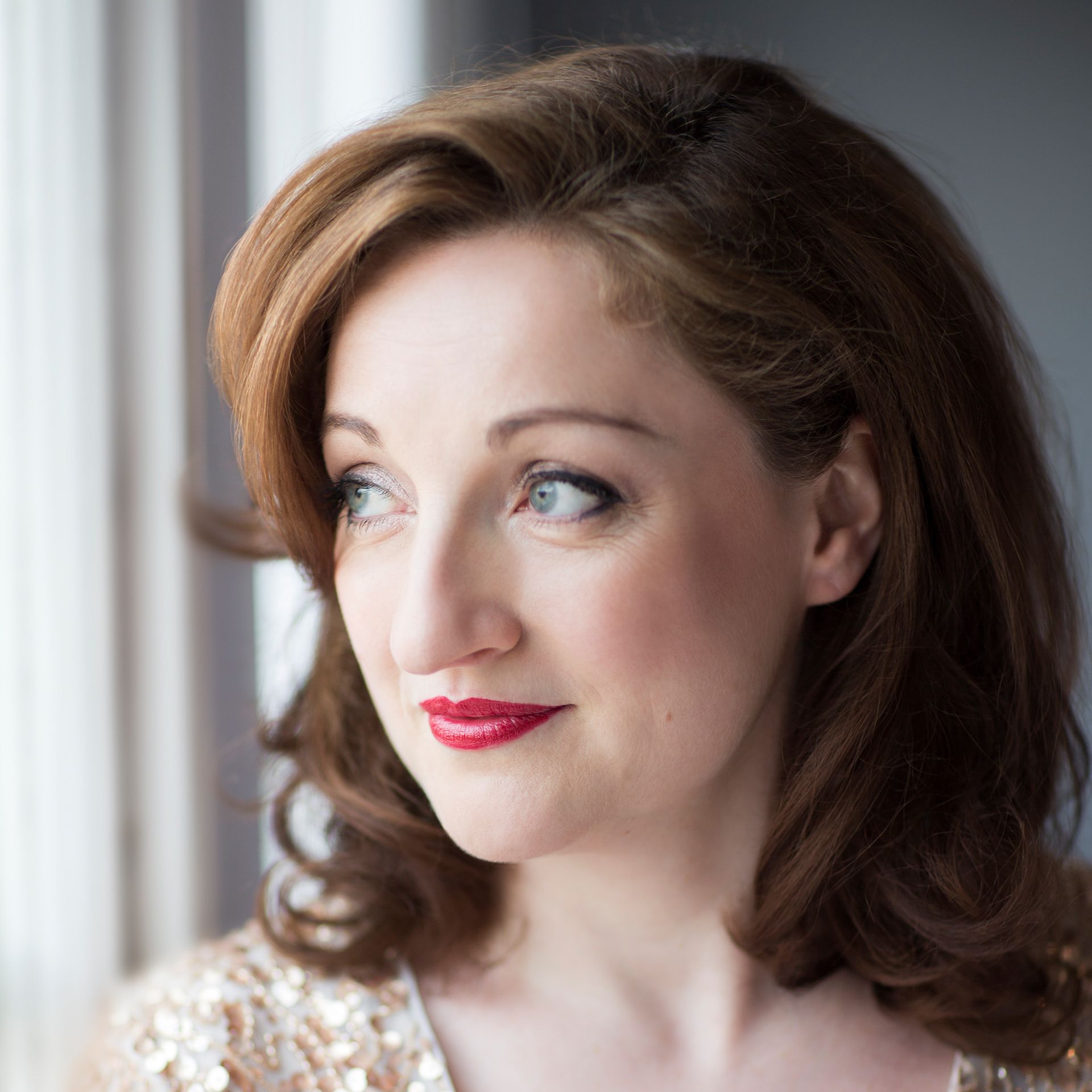
Photo: Benjamin Ealovega
Photo: Benjamin Ealovega
Irish soprano Ailish Tynan won the 2003 Rosenblatt Recital Song Prize at BBC Cardiff Singer of the World. She was a member of the Vilar Young Artists Programme at the Royal Opera, Covent Garden and a BBC Radio 3 New Generation Artist.
Her operatic career has seen her performing internationally in repertoire including Gretel (Hansel and Gretel), Podtochina’s Daughter (The Nose), Papagena (The Magic Flute), Sophie (Der Rosenkavalier), Hero (Beatrice and Benedict) and Vixen (The Cunning Little Vixen). Earlier this year she made her role debut as Mimì (La bohème) for Grange Park Opera.
Notable concert appearances include Mahler’s Symphony No. 8 with the Dresden Philharmonic, Frankfurt Radio Symphony Orchestra, Netherlands Philharmonic Orchestra, London Symphony Orchestra and Philharmonia Orchestra; Mahler’s Symphony No. 4 with the Prague Symphony Orchestra and the Hallé; Mahler’s Symphony No. 2 with the Orchestra dell’Accademia Nazionale di Santa Cecilia and Royal Philharmonic Orchestra; Britten’s War Requiem with the RTÉ National Symphony Orchestra; Handel’s Messiah with the Academy of Ancient Music; and Haydn’s The Creation with the City of Birmingham Symphony Orchestra. She has also appeared regularly at the BBC Proms.
She is a passionate recitalist, performing internationally with pianists including James Baillieu, Iain Burnside, Graham Johnson and Simon Lepper. Her numerous recordings include discs of Fauré, Schubert and Judith Weir, as well as An Irish Songbook.
Benson Wilson baritone
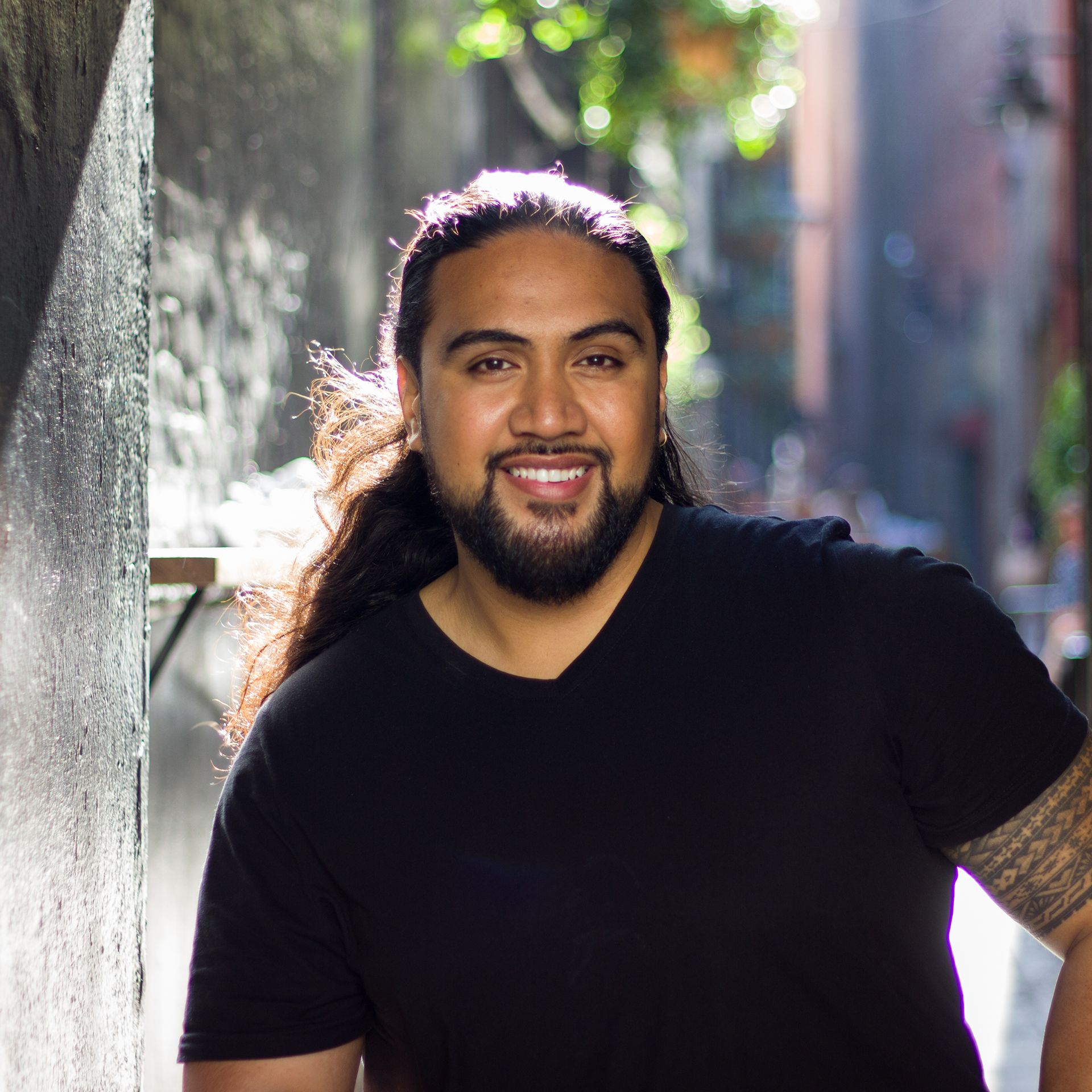
New Zealand-born Samoan baritone Benson Wilson won New Zealand’s Lexus Song Quest competition and graduated from the University of Auckland. He is a former young artist of the Georg Solti Accademia di Bel Canto, the Samling Young Artist Programme, the International Vocal Arts Institute, New Zealand Opera School and the National Opera Studio in London.
In 2019 he won the Kathleen Ferrier Award as well as the Overseas Award at the Royal Over-Seas League Competition and the Worshipful Company of Musicians Award. The previous year he won the Joan Sutherland and Richard Bonynge Foundation Award and the People’s Choice Award.
Last season he joined English National Opera as a Harewood Artist, opening the season singing Schaunard (La bohème) for the company’s Drive & Live production at Alexandra Palace.
Performances this season and beyond include returning to ENO to sing Schaunard and Guglielmo (Così fan tutte) and his New Zealand Opera debut singing Orpheus (Orpheus and Eurydice).
His concert performances include Handel’s Messiah, the Requiems of Mozart, Brahms, Fauré and Duruflé and a peformance with the BBC Symphony Orchestra as part of its Total Immersion focus on Richard Rodney Bennett. In recital Benson Wilson has appeared around the UK and recently made a tour of New Zealand.
BBC Symphony Orchestra
The BBC Symphony Orchestra has been at the heart of British musical life since it was founded in 1930. It plays a central role in the BBC Proms at the Royal Albert Hall, performing at the First and Last Night each year in addition to regular appearances throughout the Proms season with the world’s leading conductors and soloists.
The BBC SO performs an annual season of concerts at the Barbican in London, where it is Associate Orchestra. Its commitment to contemporary music is demonstrated by a range of premieres each season, as well as Total Immersion days devoted to specific composers or themes. Highlights this autumn include the season-opening concert conducted by Sakari Oramo including music by Brahms and Ruth Gipps; a concert conducted by Principal Guest Conductor Dalia Stasevska featuring the devised work Concerto No.1: SERMON by Davóne Tines, combining music and poetry in a unique examination of racial injustice; children’s author Jacqueline Wilson reading from her bestselling books in a family concert; and the world premiere of Up for Grabs by composer and Arsenal fanatic Mark-Anthony Turnage.
The vast majority of performances are broadcast on BBC Radio 3 and a number of studio recordings each season are free to attend. These often feature up-and-coming new talent, including members of BBC Radio 3’s New Generation Artists scheme. All broadcasts are available for 30 days on BBC Sounds and the BBC SO can also be seen on BBC TV and BBC iPlayer and heard on the BBC’s online archive, Experience Classical.
The BBC Symphony Orchestra and Chorus – alongside the BBC Concert Orchestra, BBC Singers and BBC Proms – also offer enjoyable and innovative education and community activities and take a leading role in the BBC Ten Pieces and BBC Young Composer programmes.
Chief Conductor
Sakari Oramo
Principal Guest Conductor
Dalia Stasevska
Günter Wand Conducting Chair
Semyon Bychkov
Conductor Laureate
Sir Andrew Davis
Creative Artistin Association
Jules Buckley
First Violins
Igor Yuzefovich leader
Cellerina Park
Jeremy Martin
Jenny King
Celia Waterhouse
Colin Huber
Shirley Turner
Ni Do
Molly Cockburn
Zanete Uskane
Liz Partridge
Ruth Schulten
Thea Spiers
Second Violins
Heather Hohmann
Daniel Meyer
Patrick Wastnage
Danny Fajardo
Tammy Se
Caroline Cooper
Victoria Hodgson
Lucica Trita
Eleanor Bartlett
Maya Bickel
Clare Hayes
Violas
David Aspin
Philip Hall
Joshua Hayward
Nikos Zarb
Audrey Henning
Natalie Taylor
Michael Leaver
Carolyn Scott
Peter Mallinson
Matthias Wiesner
Cellos
Susan Monks
Tamsy Kaner
Graham Bradshaw
Mark Sheridan
Clare Hinton
Sarah Hedley-Miller
Michael Atkinson
Morwenna Del Mar
Double Basses
Nicholas Bayley
Richard Alsop
Michael Clarke
Beverley Jones
Josie Ellis
Elen Pan
Timpani
Antoine Bedewi
Christopher Hind
Percussion
Alex Neal
Fiona Ritchie
Harp
Louise Martin
Pianos
Liz Burley
Philip Moore
Organ
Richard Pearce
The list of players was correct at the time of publication
BBC Symphony Chorus
Founded in 1928, the BBC Symphony Chorus’s early performances included Mahler’s Symphony No. 8, Stravinsky’s Persephone and Walton’s Belshazzar’s Feast, and this commitment to new music continues undiminished. Through its appearances with the BBC Symphony Orchestra and internationally acclaimed conductors and soloists – most of which are broadcast on BBC Radio 3 – the chorus performs diverse and challenging repertoire.
Performing regularly at the Barbican and the BBC Proms, upcoming highlights with the BBC Symphony Orchestra include Shostakovich’s Symphony No.2 with Dalia Stasevska; Ravel’s Daphnis et Chloé and Judith Weir’s Concrete with Sakari Oramo; and Brahms’s Nänie, Song of the Fates and Schicksalslied with Nathalie Stutzmann. Tonight’s performance of Britten’s St Nicolas and Finzi’s In Terra Pax, conducted by Sakari Oramo, with the BBC Symphony Orchestra marks the Chorus’s first performance at the Barbican since the pandemic.
In addition to featuring in studio recordings for BBC Radio 3, the chorus has also made a number of commercial recordings, including a Grammy-nominated release of Holst’s First Choral Symphony and a Gramophone Award-winning disc of Elgar’s The Dream of Gerontius. Uniquely among symphony choruses, the BBC Symphony Chorus has specialised in performing a cappella choral repertoire, including works by Rachmaninov, Schoenberg and Poulenc and the world premiere of Jonathan Dove’s We Are One Fire at the 2019 BBC Proms, commissioned for the chorus’s 90th anniversary and conducted by Chorus Director Neil Ferris.
President
Sir Andrew Davis
Director
Neil Ferris
Deputy Director
Grace Rossiter
Accompanist
Paul Webster
Sopranos
Stella Bracegirdle
Georgia Cannon
Cathy Cheeseman
Ellen Coleman*
Erin Cowburn*
Josceline Dunne
Catrin Hepworth
Samantha Hopkins
Karan Humphries*
Valerie Isitt
Emily Jacks
Helen Jorgensen*
Sue Lowe
Katie Masters
Rebecca Rimmington*
Nicola Robinson
Hannah Savignon-Smythe*
Wendy Sheridan*
Nathalie Slim*
Hannah Taylor
Jessica Wise
Sheila Wood
Altos
Katie Allison
Philippa Bird*
Kirsty Carpenter
Rachael Curtis*
Danniella Downs*
Alison Grant*
Susannah Edwards
Kate Hampshire
Rosie Hopkins
Teresa Howard*
Pat Howell*
Kirsten Johnson
Ruth Marshall
Cecily Nicholls
Miranda Ommanney
Jane Radford*
Anja Rekeszus
Louisa Rosi
Charlotte Senior
Marion Sharrock-Harris*
Hilary Sillis*
Lucy Stewart*
Jayne Swindin
Helen Tierney*
Deborah Tiffany
Elizabeth Tyler
Tenors
Andrew Castle
David Halstead
Stephen Horsman
Simon Lowe
Charles Martin
James Murphy
Jim Nelhams
Ernie Piper
Bill Richards
Richard Salmon
Greg Satchell
Jonathan Williams
Jonathan Williams
Basses
Malcolm Aldridge
Laurence Beard
Sam Brown
Tim Bird
Tony de Rivaz
David England
Quentin Evans
Jonathan Forrest
Tom Fullwood
Mark Graver
Richard Green
Alan Hardwick
William Hare
Alan Jones
Andrew Lay
Edgar Marquez
Michael Martin
John McLeod
Nathan Pallotto
Philip Rayner
Richard Steedman
Joshua Taylor
The list of singers was correct at the time of publication
Finchley Children’s Music Group
Finchley Children’s Music Group is a highly versatile group of mixed-voiced choirs for young people aged 5 to 18. Founded in 1958, it gave the first amateur performance of Benjamin Britten’s Noye’s Fludde and Britten then became the choir’s President in 1963.
FCMG regularly performs with leading professional choirs and orchestras and has also pursued an ongoing commitment to the commissioning of new music for children’s voices. It celebated its 60th anniversary with a concert of commissions at the Queen Elizabeth Hall, along with performances of works by Britten including Noye’s Fludde at Southwark Cathedral with the BBC Singers for BBC Radio 3 and English National Opera’s production of the War Requiem at the Coliseum, both under the baton of FCMG’s President, Martyn Brabbins.
This year FCMG took part in a virtual performance of Handel’s Messiah for the London Handel Festival on Easter Monday, and a performance of Rachel Portman’s Earth Song for the London Climate Change Festival’s Song for Nature, recorded at the London Coliseum for Sky Arts.
Engagements next spring include the premiere of Patrick Hawes’s The Innocents with Voces8, Bach’s St Matthew Passion with the Bach Choir at the Royal Festival Hall and recordings of choral works by Havergal Brian and Kenneth Leighton.
Musical Director
Grace Rossiter
Rafael Flutter
Jimmy Frow
Jeremy Jeffes
The list of singers was correct at the time of publication