Researching pain, painlessly
Researchers grow a mini human pain pathway in a flask to test pain painlessly. Also, the evolution of pelvic balance; small enough to walk, wide enough for baby.
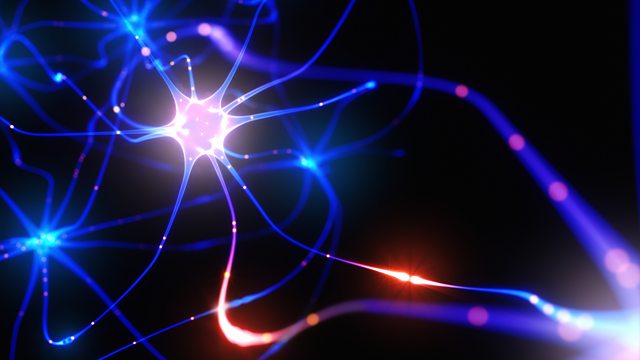
Pain, particularly chronic pain, is hard to research. New therapeutics are hard to screen for. Patients are not all the same. Sergui Pascu and colleagues at Stanford university have been growing brain samples from stem cells. Then they began connecting different samples, specialised to represent different brain regions. This week they announce their most complex “assembloid” yet, one that even reacts to hot chilli, passing a signal from the sensory neurons through to the thinking bits. The hope is that it can provide insights on how pain, and potential painkillers, work.
Human brains are notoriously large, particularly infants. Whilst for primates the human pelvis is quite narrow, to allow us to walk and run on two legs. This notoriously makes childbirth, well, not as straightforward as most other species. This evolutionary “obstetric dilemma” has been debated for decades. Marianne Brasil, of Western Washington University, and colleagues, have published this week a huge study of contemporary human genes and anatomies available from the UK Biobank to shed some more light on this ongoing compromise.
Malta is an island in the Mediterranean no less than 80km from land. So how come Eleanor Scerri and colleagues have discovered archaeological evidence of hunter-gatherers living there from 8,500 years ago? And they didn’t just visit and leave. They stayed for perhaps a millennium before farming arrived. Maybe a rethink of what nautical capabilities our ancestors had in the deep past is needed?
A year ago, Science in Action gate-crashed a conference looking at plans for meeting the forthcoming arrival of asteroid Apophis in 2029. This year the meeting is in Tokyo, and Richard Binzel, emeritus professor of Astronomy at MIT, gives us an update on how the space agencies are hoping to collaborate to maximise the scientific value from what will be a global, visible, phenomenon in just 4 years. Is there enough time to get our collective wits together?
(Image: 3D illustration of Interconnected neurons with electrical pulses. Credit: Getty Images)
Presenter: Roland Pease
Producer: Alex Mansfield
Production co-ordinator: Josie Hardy
Last on

Featured
.
Broadcasts
- Thu 10 Apr 202519:32GMTBBC World Service
- Thu 10 Apr 202522:32GMTBBC World Service Europe and the Middle East
- Fri 11 Apr 202504:32GMTBBC World Service Australasia, Americas and the Caribbean, South Asia & East Asia only
- Fri 11 Apr 202508:32GMTBBC World Service
- Fri 11 Apr 202512:32GMTBBC World Service
 Sat 12 Apr 202501:32GMTLive News
- Sat 12 Apr 202501:32GMTBBC World Service News Internet & East Asia only
- Sun 13 Apr 202503:32GMTBBC World Service East and Southern Africa, Online, UK DAB/Freeview, Europe and the Middle East & West and Central Africa only
- Sun 13 Apr 202523:32GMTBBC World Service except East Asia, Europe and the Middle East, News Internet & South Asia
- Mon 14 Apr 202500:32GMTBBC World Service Europe and the Middle East
Podcast
![]()
Science In Action
The BBC brings you all the week's science news.

Related Content
