The oilfield that changed Kazakhstan
In 1993 Kazakhstan partnered with Chevron and started drilling for oil. The venture turned them into one of the largest oil producers in the world.
In the wake of the USSR breaking up, Kazakhstan was wrestling with the challenges of independence; hyperinflation, the economy collapsing and food shortages.
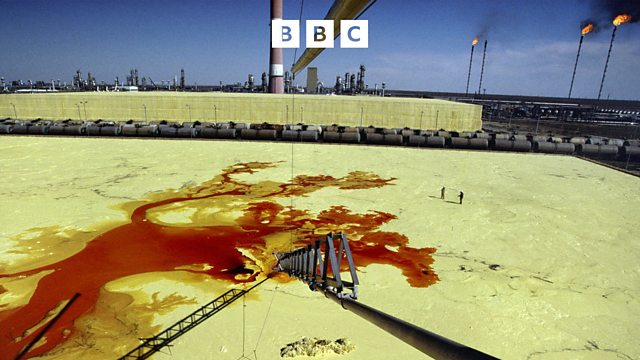
But three-and-a-half kilometres underground on the north-east shore of the Caspian Sea, a giant financial opportunity was lying dormant – The Tengiz Oil Field. Less than two years after gaining sovereignty, the government signed the “deal of the century”.
The state partnered with American company Chevron and started drilling to access the estimated 25 billion barrels of oil in the ground.
Tengiz is the sixth largest oilfield in the world, and its resources would change Kazakhstan from a fledgling state, to one of the largest oil producers in the world.
Johnny I’Anson speaks to Bruce Pannier, a news correspondent in Central Asia for over 30 years, who saw first-hand the chaos of independence and the growth of wealth in the country.
(Picture: Tengiz Oil Field. Credit: Getty Images)
Last on
More episodes
Previous
Broadcasts
- Tue 3 Oct 202307:50GMTBBC World Service
- Tue 3 Oct 202311:50GMTBBC World Service
- Tue 3 Oct 202317:50GMTBBC World Service except East and Southern Africa & West and Central Africa
- Tue 3 Oct 202321:50GMTBBC World Service East and Southern Africa & West and Central Africa only
- Wed 4 Oct 202302:50GMTBBC World Service
Podcast
![]()
Witness History
The story of our times, told by the people who were there