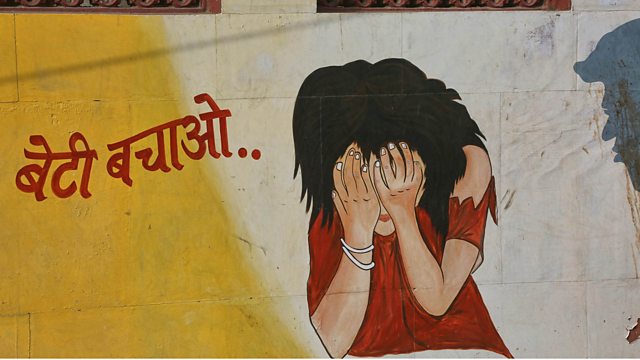
What has changed 10 years after 2012 Delhi bus rape?
Have reforms in India's rape laws since Delhi gang rape in 2012 really worked?
The fatal Delhi gang rape in 2012, also known as the Nirbhaya case, is seen as a watershed moment in India’s efforts to tackle sexual violence against women. The case had sparked massive protests and led to tougher anti-rape laws.
Conversations around rape, often regarded as taboo or a matter of shame, also became more open in the Indian society. But 10 years since, signs of sexual crimes abating in India are not very encouraging. Recent government data points to a steady increase in the last few years. And justice still remains out of reach for many.
So have reforms really worked? Are societal attitudes changing to counter the deep-rooted cult of masculinity that the Indian patriarchal society harbours?
And is there consensus on the severity of punishment for the culprits?
Joining the discussion are Neha Singh, campaigner, founder of Why Loiter Initiative; Manjula Pradeep, director of campaigns at Dalit Human Rights Defenders Network; Anita Abraham, criminal and civil lawyer
Presenter: Divya Arya
Last on

Image credit
Broadcasts
- Fri 25 Nov 202215:32GMTBBC World Service South Asia
- Sat 26 Nov 202202:32GMTBBC World Service East Asia
- Sat 26 Nov 202219:32GMTBBC World Service
- Sun 27 Nov 202205:32GMTBBC World Service South Asia & East Asia only
