A love for my language
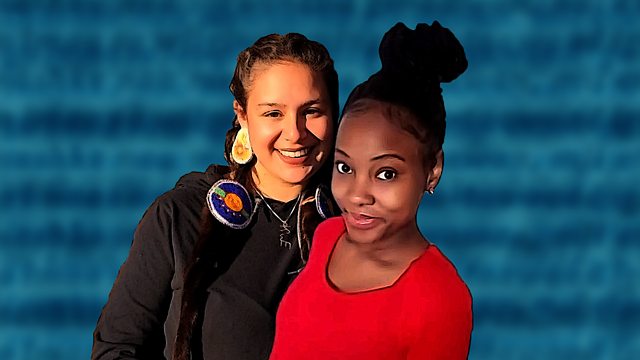
Two women who are keeping their indigenous languages alive tell Kim Chakanetsa how learning the words of their ancestors has shaped their identities.
Around the world, languages are disappearing. Kim Chakanetsa speaks to two women who are helping to keep their endangered languages alive – how has learning the words of their ancestors shaped their identities?
Mshkogaabwid Kwe from Turtle Island, an indigenous name for Canada, learned her clan’s language, Anishinaabemowin, as an adult. She is now raising her children in an English-free home. She has a deep gratitude to those who walked before her and kept the words alive, knowing the persecution that they faced.
Tsamaxa Toroxa spoke English and Afrikaans growing up in South Africa, and often faced prejudice from other Black South Africans who expected her to speak an indigenous language. Learning the language of her ancestors, Khoe, has shaped how she sees herself and she is now helping to keep the language alive by sharing it with others through the arts.
Produced by Caitlin Sneddon
IMAGE DETAILS
L: Mshkogaabwid Kwe (credit Mshkogaabwid Kwe)
R: Tsamaxa Toroxa (credit Tsamaxa Toroxa)
Last on
More episodes
Previous
Broadcasts
- Mon 23 Aug 202103:32GMTBBC World Service except Australasia, East Asia & South Asia
- Mon 23 Aug 202104:32GMTBBC World Service Australasia, South Asia & East Asia only
- Mon 23 Aug 202110:32GMTBBC World Service
- Mon 23 Aug 202121:32GMTBBC World Service except Europe and the Middle East
- Mon 23 Aug 202122:32GMTBBC World Service Europe and the Middle East
- Sat 28 Aug 202107:32GMTBBC World Service except East and Southern Africa
The best of The Conversation

Enlightening, inspiring, revealing: Some of our favourite Conversations so far
100 Women

Global experience on image, work, relationships, equality, migration and working lives
Podcast
![]()
The Conversation
Two women from different parts of the world share the stories of their lives