Main content
Malaria's origins and a potential new treatment
How malaria jumped from great apes to humans and why Antarctica may hold a new treatment.
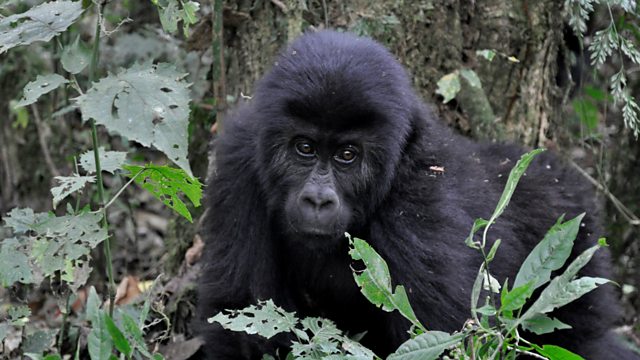
A variety of malarial parasites have existed amongst the great apes for millennia. How did one of them jump species and why did humans became its preferred host? And from Antarctica we hear about a potential new treatment for malaria found in a deep sea sponge.
Also, why improved monitoring is changing our perceptions of earthquakes and the story of an endangered Polynesian snail.
Presenter: Roland Pease
Producer: Julian Siddle
(Photo: Gorilla. Credit: Hermes Images/AGF/Universal Images Group via Getty Images)
Last on

Mon 21 Oct 201900:32GMT
BBC World Service
More episodes
Broadcasts
- Thu 17 Oct 201919:32GMTBBC World Service except South Asia
- Fri 18 Oct 201904:32GMTBBC World Service Online, UK DAB/Freeview, Europe and the Middle East & News Internet only
- Fri 18 Oct 201905:32GMTBBC World Service Australasia, Americas and the Caribbean & South Asia only
- Fri 18 Oct 201906:32GMTBBC World Service East and Southern Africa & East Asia only
- Fri 18 Oct 201910:32GMTBBC World Service West and Central Africa
- Fri 18 Oct 201913:32GMTBBC World Service Australasia
- Fri 18 Oct 201917:32GMTBBC World Service South Asia
- Sun 20 Oct 201911:32GMTBBC World Service except Americas and the Caribbean, Australasia & West and Central Africa
- Mon 21 Oct 201900:32GMTBBC World Service
Podcast
![]()
Science In Action
The BBC brings you all the week's science news.