When The Brain Wakes Up – But The Body Doesn’t
Sleep paralysis: when the brain wakes up – but the body doesn’t; the cancer researcher inspired by her experiences of childhood leukaemia; Vitamin D could speed up burn healing
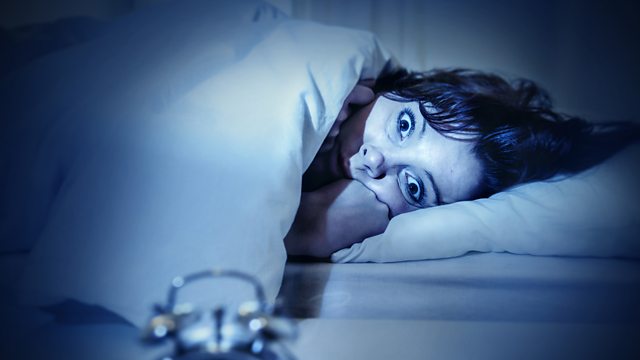
“When your brain wakes up but your body doesn’t” is how a sleep expert describes the phenomenon of sleep paralysis. Around 1 in 20 people will experience vivid hallucinations while falling asleep or waking up whilst being completely unable to move. Sleeping on your back can help to reduce the risk of an attack. Even less well understood is 'Exploding Head Syndrome' where people experience abrupt and very loud noises when going to sleep or waking up.
To mark the 150th anniversary of Marie Curie’s birth this week, the BBC’s 100 Women season is shining a spotlight on influential women in science and medicine. We hear from a British childhood leukaemia survivor whose own experiences helped to inspire her research into a link between drugs given during cancer treatment and illness later in life.
A new study reports that elderly patients with severe burns who have higher levels of vitamin D recover more successfully than those with lower levels. The British researchers observed improved wound healing, fewer complications and less scarring and hope vitamin supplements could help burns patients to recover more quickly, once their findings are confirmed.
Image: Woman lying awake in bed
Credit: OcusFocus/GETTY IMAGES
Last on

Broadcasts
- Wed 8 Nov 201720:32GMTBBC World Service Online, Americas and the Caribbean, UK DAB/Freeview & Europe and the Middle East only
- Wed 8 Nov 201721:32GMTBBC World Service Australasia, South Asia & East Asia only
- Thu 9 Nov 201705:32GMTBBC World Service except Australasia, East and Southern Africa, News Internet & West and Central Africa
- Thu 9 Nov 201707:32GMTBBC World Service Australasia & East and Southern Africa only
- Thu 9 Nov 201715:32GMTBBC World Service Australasia
- Thu 9 Nov 201718:32GMTBBC World Service East and Southern Africa & West and Central Africa only
- Fri 10 Nov 201703:32GMTBBC World Service West and Central Africa
- Sun 12 Nov 201700:32GMTBBC World Service West and Central Africa
- Mon 13 Nov 201702:32GMTBBC World Service except News Internet & West and Central Africa
Podcast
![]()
Health Check
Health issues and medical breakthroughs from around the world.