Eavesdropping
Is eavesdropping a harmless habit or a dangerous invasion of privacy?
On trains, in cafes, offices and in the street, we cannot help overhearing conversations not intended for our ears. Catherine Carr explores why we eavesdrop, and whether it is a harmless habit or a dangerous invasion of privacy. The poet Imtiaz Dharker takes ‘furtive pleasure’ in ‘lying in wait for secrets that people don’t even know they’re telling’ and sometimes what she hears ends up in her poems. Canadian journalist, Jackie Hong, eavesdropped on the radio communications of police and paramedics to get the news in real time. Not everything we hear in public is interesting to us: Lauren Emberson devised a psychology experiment to show why we find other people’s mobile phone conversations so difficult to ignore. In some circumstances, eavesdropping can be problematic. The historian Anita Krätzner-Ebert, who works at the Stasi Records Agency, has been conducting new research into cases of neighbours and strangers who eavesdropped and reported on each other in East Germany. Professor of Acoustic Engineering, Trevor Cox explains how some buildings have allowed embarrassing secrets to be overheard and literary scholar, Ann Gaylin says that eavesdropping scenes in novels show writers have always been curious about human curiosity.
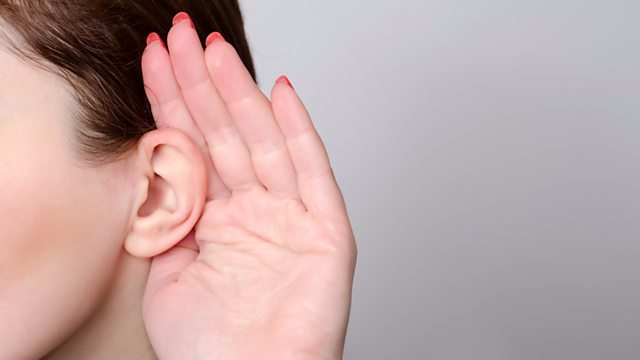
(Photo: Woman cupping ear, Credit: Dmitro Derevyanko/Shutterstock)
Last on

More episodes
Next
Clips
![]()
The journalist eavesdropping for a story
Duration: 02:08
![]()
Finding poetry in city chatter
Duration: 01:45


Broadcasts
- Mon 14 Aug 201712:32GMTBBC World Service except News Internet
- Mon 14 Aug 201721:06GMTBBC World Service except News Internet
- Tue 15 Aug 201701:32GMTBBC World Service except News Internet
Get the podcast

Subscribe or download individual episodes for free
Why do we look the way we do?

Tattoos, trainers, jeans, hair, ties ... why?
Podcast
![]()
The Why Factor
The extraordinary and hidden histories behind everyday objects and actions