The Dutch Antibiotic Revolution
The story of one sick toddler that was a wake-up call for The Netherlands to revolutionise its farming methods.
Antibiotic resistant superbugs are a huge problem both in humans and in animals. Many animals reared for food are routinely fed antibiotics to prevent infections. Farmers across the world do it to protect their livestock and to safeguard their incomes. But some bugs are becoming resistant to these drugs because of their overuse – fuelling the rise of animal “superbugs” like MRSA that could potentially spread to humans. This means that animals and people can die from common infections because the antibiotics no longer work. In the Netherlands, the story of one sick little girl caused pig farmers to wake up to a huge pig MRSA infection that was spreading to humans. Recognising the problem, a couple of pig farmers started a movement that has resulted in the country cutting their antibiotics use in animals by 65% - and, crucially, without affecting their profits. World Hacks investigates how a group of pig farmers solved a massive problem in The Netherlands and whether other countries should urgently follow suit.
Presenter: Tallulah Berry
Reporter/ Producer: Shoku Amirani
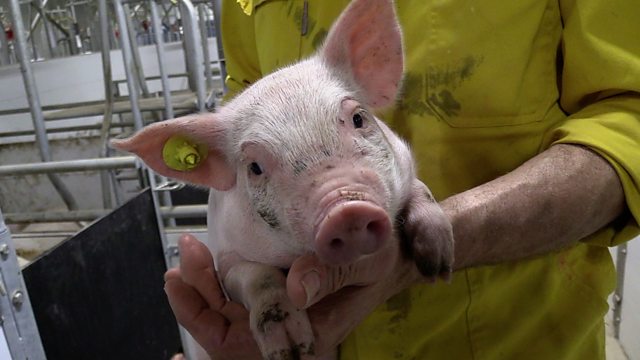
Image: Pig on a farm in The Netherlands / Credit: BBC
Last on

Broadcasts
- Tue 5 Sep 201702:06GMTBBC World Service Online, Americas and the Caribbean, UK DAB/Freeview & West and Central Africa only
- Tue 5 Sep 201703:06GMTBBC World Service East Asia & South Asia only
- Tue 5 Sep 201706:06GMTBBC World Service Australasia & East and Southern Africa only
- Tue 5 Sep 201707:06GMTBBC World Service Europe and the Middle East
- Tue 5 Sep 201713:06GMTBBC World Service Australasia
- Tue 5 Sep 201714:06GMTBBC World Service except Australasia & News Internet
- Tue 5 Sep 201719:06GMTBBC World Service except East and Southern Africa, News Internet & West and Central Africa
People fixing the world on YouTube

Watch stories of people changing their world on the World Service English YouTube channel
