Fallout from Ukraine conflict compounds Lebanon's misery
Already facing an economic crisis, Lebanon's woes are exacerbated by the war in Ukraine
Lebanon is one of many countries in the Middle East and Africa that rely heavily on food imports from Ukraine and Russia. Normally it imports 90 per cent of its wheat and cooking oil from there. But the blockage of Ukrainian ports by Russia and international sanctions against Moscow in response to the invasion have severely curtailed supplies, forcing up prices.
Also in the programme: The UK's plan to relocate asylum seekers to Rwanda in east-central Africa goes to the Court of Appeal; and Danish political drama Borgen, which has enjoyed international success, is back for a fourth series.
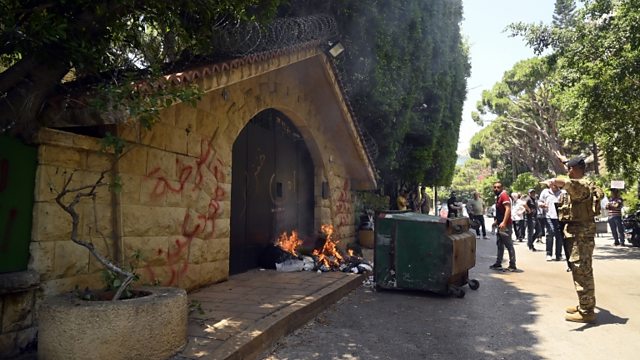
(Photo: Lebanese Bank customers burn junk in front of the entrance to the house of the Chairman and Chief Executive of Bank of Beirut in Beirut and President of the Association of Banks in Lebanon, Salim Sfeir, during a protest in Sin El Fil area north of Beirut, Lebanon, 11 June 2022. Bank customers demand that they be allowed to withdraw their deposits that have been blocked amid the economic crisis in the country as the Lebanese pound has lost about 90 percent of its value against the dollar and to reject the Capital Control Law. Lebanon has been struggling with compounded crises for nearly two years, including the economic and financial crisis, the covid-19 pandemic and the explosion of the Beirut port. The World Bank says the economic crisis in the country is possibly among top three most severe crises episodes globally since the mid-nineteenth century. Credit: EPA/Wael Hamzeh)
Last on
Broadcast
- Sun 12 Jun 202206:06GMTBBC World Service
