The mystery of Germany's radioactive wild boar
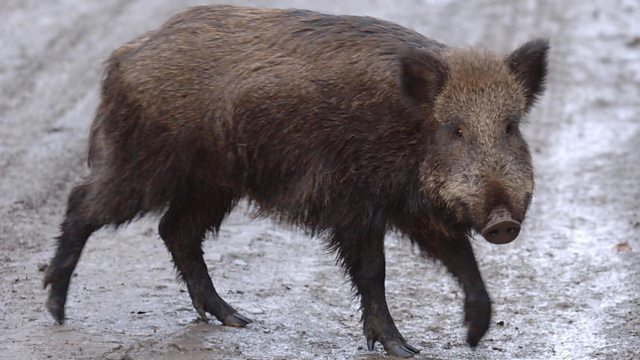
A scientific study has shed light on the mystery of why the wild boar which roam Bavaria's forests have stayed radioactive for so long after the nuclear disaster at Chernobyl in 1986, when other animals in the area have not.
While many forest animals were found to be contaminated with radioactive caesium when testing started after Chernobyl, only boar remain very radioactive, seemingly violating a law of physics.
Now a team of scientists have solved the 'wild boar paradox' by working out that the radioactivity in the boar actually comes from a much older source - nuclear weapons tests in the 1960s. And they believe the explanation is that caesium takes years to filter down through the soil to the depth at which the truffles eaten by the boar are found. It means boar meat will be inedible for many years to come, as the truffles – and therefore the boar - are only now starting to “see” Chernobyl.
Duration:
This clip is from

More clips from Newshour
![]()
Nasa’s first all-female spacewalk
Duration: 02:52


More clips from Newshour
![]()
Weight-loss jabs: The role your genes play in losing weight
Duration: 03:55
![]()
World's oldest known tortoise reported dead, is actually alive
Duration: 05:13
![]()
Thieves steal paintings from museum in Italy in 3 minute heist
Duration: 02:51
![]()
413,793 KitKats stolen in chocolate heist
Duration: 04:15