Main content
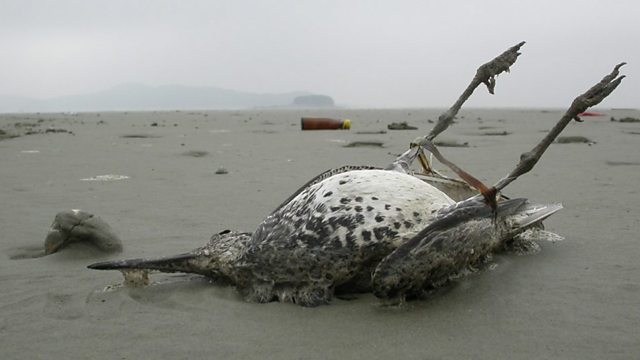
“It’s like sitting next to someone you know who’s dying. Devastating.”
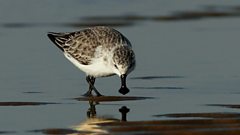
South Korea used to have the most important feeding ground for long distance migratory water birds of the East Asian Australasian Flyway. More than half a million birds depended on the worms and molluscs in an area of tidal mudflat five times the size of Manhattan Island. In 2006, a gigantic Saemangeum sea wall isolated the habitat from the open sea. Ann Jones hears what happened from bird conservationists Spike Millington, Nial Moores and Nicola Crockford of Birdlife International.
Image: Great knot at Saemangeum, 2006, credit: Nial Moores/Birds Korea
Duration:
This clip is from

More clips from Life on the East Asian Flyway – Part Two: Yellow Sea South
![]()
Spoon-billed sandpiper – the panda of the Yellow Sea
Duration: 03:47
![]()
Listen to the Chinese hunter mimicking birds to protect them
Duration: 02:58

More clips from Discovery
![]()
COP26: Bringing nature back to areas affected by deforestation
Duration: 02:41
![]()
The flies turning waste into food, fuel and fertiliser
Duration: 01:58